

This guide explores the lesser-known side of Rishikesh — places and experiences that exist beyond crowded ghats, popular bridges, and rushed itineraries. From quiet river stretches and forest temples to peaceful caves, slow villages, mindful camping, and calm festival moments, these hidden gems reveal Rishikesh at a gentler pace. Ideal for travelers who value silence, timing, and atmosphere, this list uncovers where Rishikesh feels most authentic when you stop chasing highlights and start slowing down.
Introduction: The Rishikesh Most Travelers Never Meet
Most people arrive in Rishikesh with a checklist — famous ghats, busy bridges, popular cafés, and well-known ashrams. And while those places have their charm, they represent only the surface of the city. Just a little beyond the usual tourist trail exists a quieter, deeper Rishikesh — one that doesn’t announce itself with signboards or crowds, but reveals itself slowly to those willing to look past the obvious.
These hidden gems are not necessarily far away, nor are they completely unknown. What makes them special is how and when you experience them. Some come alive early in the morning, some after the crowds leave, and some only when you allow yourself to slow down. Together, they form a side of Rishikesh defined not by activity, but by atmosphere — a place of silence, space, reflection, and understated beauty.
This curated list of hidden gems goes beyond popular attractions to explore places and experiences that locals cherish and mindful travelers remember. If you’re looking to experience Rishikesh not as a rushed destination but as a living, breathing space, these are the places where that journey truly begins.
1) Phool Chatti: Where Rishikesh Quietly Slows Down
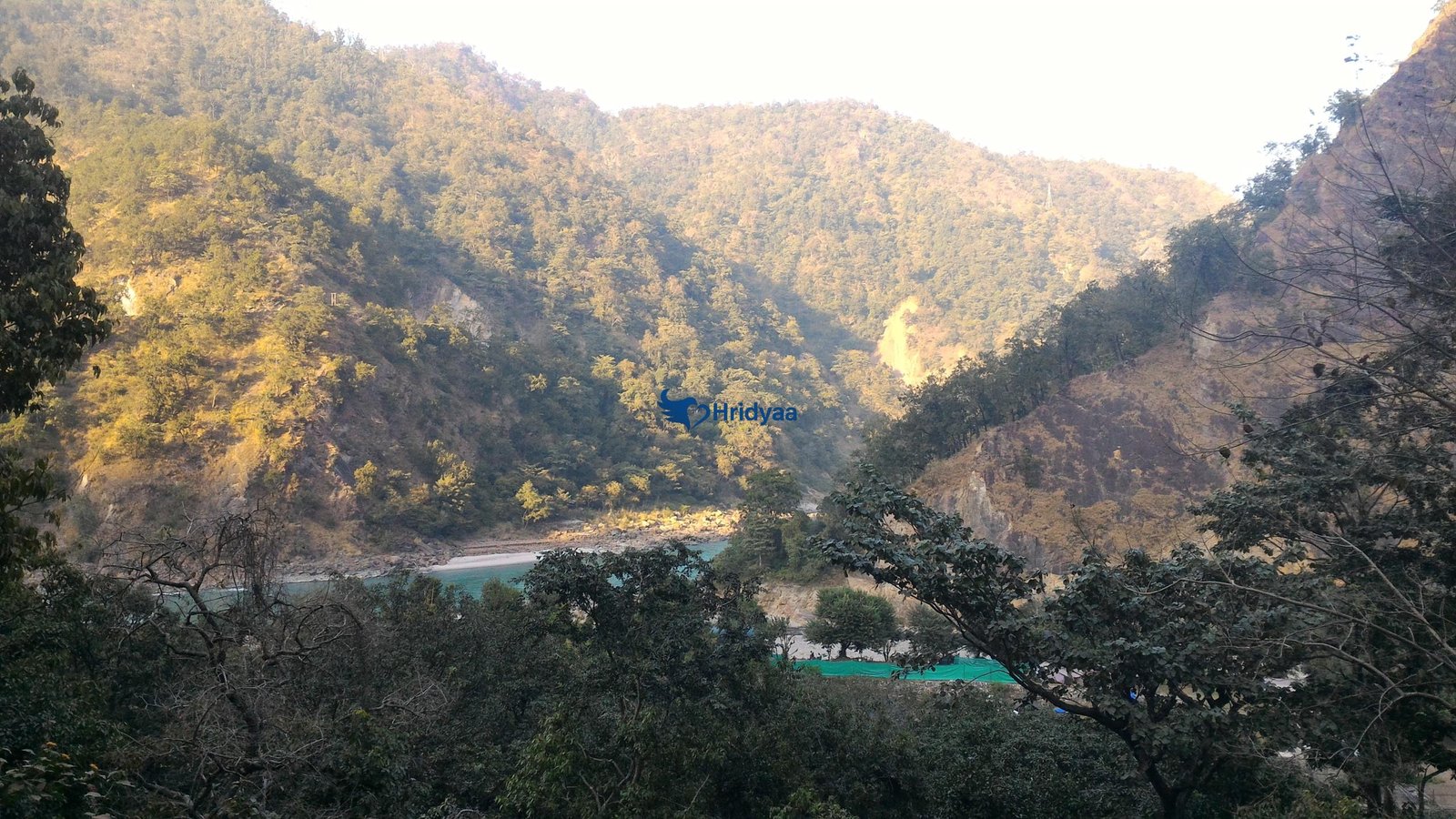
Tucked away beyond the bustle of Laxman Jhula, Phool Chatti is one of those rare places where Rishikesh still feels unfiltered. Many travelers pass through this stretch on their way further uphill, never realizing that they’ve crossed into one of the calmest pockets of the region. The moment you enter Phool Chatti, the noise drops, traffic thins, and the river begins to feel like a presence rather than a backdrop.
What makes Phool Chatti special is not a single attraction, but its overall rhythm. Life here moves slowly. Mornings are quiet, evenings are soft, and the Ganga River flows with a gentler mood compared to the crowded ghats closer to town. Instead of shops and cafés, you’ll find open riverbanks, simple ashrams, a few low-key stays, and long stretches where the only sound is water and wind.
Phool Chatti is especially loved by travelers who come to Rishikesh to disconnect rather than explore aggressively. It attracts yoga practitioners, long-stay visitors, solo travelers, and those who want to experience the spiritual side of Rishikesh without constant stimulation. There are no loud attractions here, no schedules to follow, and no pressure to “do” anything. The place invites you to simply be.
Another reason Phool Chatti remains a hidden gem is that it doesn’t market itself. There are no signboards announcing viewpoints or experiences. The best moments come unplanned — a quiet river walk, an empty ghat at sunrise, or a conversation with locals who have lived here long before tourism expanded in Rishikesh.
For travelers willing to slow down, Phool Chatti offers something increasingly rare: space, silence, and authenticity. It’s not a destination you visit for an hour; it’s a place you stay a little longer than planned.
Must Read: Phool Chatti Rishikesh: A Quiet Ganga-Side Retreat
2) Kunjapuri Temple: Beyond the Sunrise Crowd
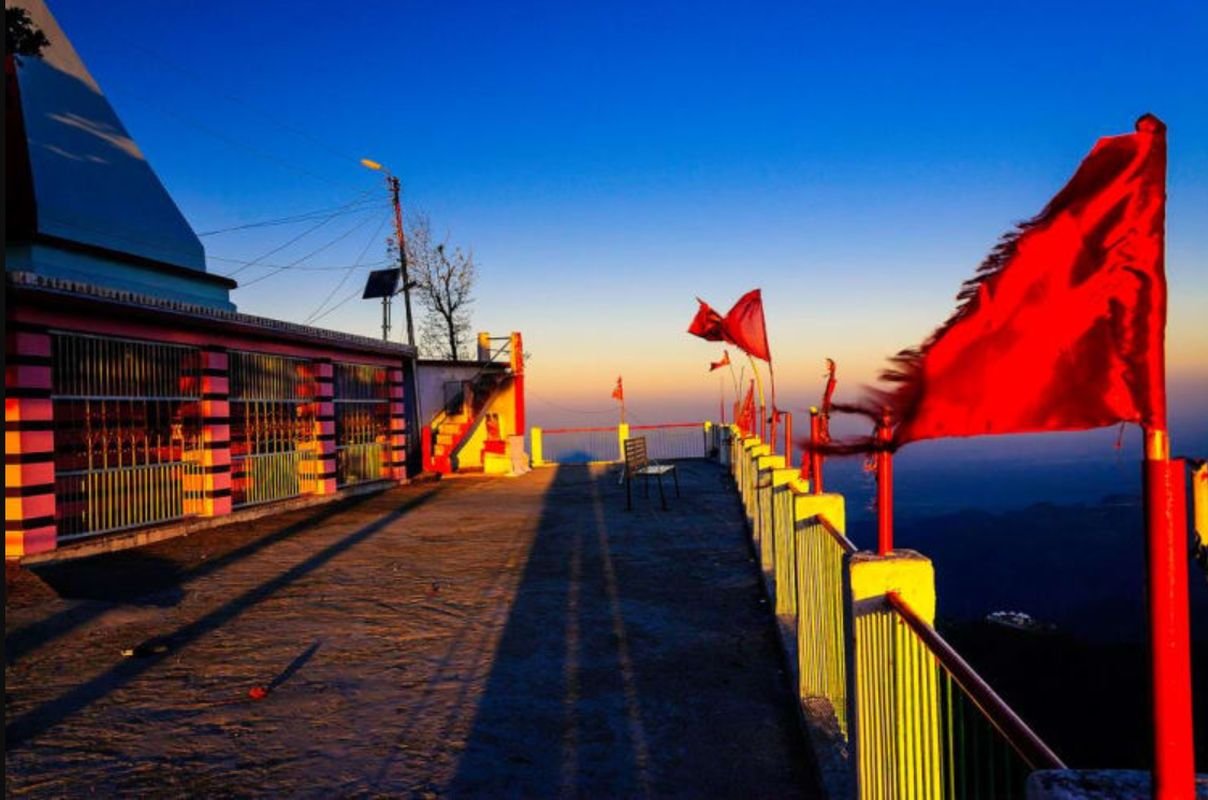
Perched high in the hills above Rishikesh, Kunjapuri Temple is often introduced as a “sunrise viewpoint.” But limiting it to just that misses why this place truly belongs among Rishikesh’s hidden gems. Once the early-morning rush fades and tourist vehicles descend, Kunjapuri reveals a much quieter, more contemplative side that few visitors experience.
The real magic of Kunjapuri Temple lies in what surrounds it, not just the temple itself. Dense forest patches, open hill trails, and panoramic views stretching toward the Himalayan ranges create an atmosphere that feels removed from time. On clear days, the silence is broken only by wind and distant temple bells, and the sense of height gives you a rare perspective over the valleys below and the winding path of the Ganga River far in the distance.
Spiritually, Kunjapuri holds deep significance as one of the revered Shakti Peeths, but it never feels commercialized. The temple space remains simple, grounded, and deeply local. Priests, villagers, and a handful of seekers coexist quietly, especially after peak sunrise hours. If you visit later in the morning or toward evening, the crowd disappears and the place feels almost private.
Another overlooked aspect is the journey itself. The road leading to Kunjapuri passes through small villages and forested stretches that set the tone long before you reach the top. For travelers who enjoy slow drives, short walks, or reflective moments, this approach becomes part of the experience rather than just a route.
Kunjapuri Temple is ideal for those who want a spiritual pause without intensity, and views without chaos. It’s not about ticking off a sunrise photo; it’s about standing still, breathing deeply, and letting the landscape do the work.
Must Read: Kunjapuri Temple Rishikesh – Sunrise View, Shakti Peetha, History & Complete Guide
3) Vashishta Gufa: Silence That Still Exists in Rishikesh
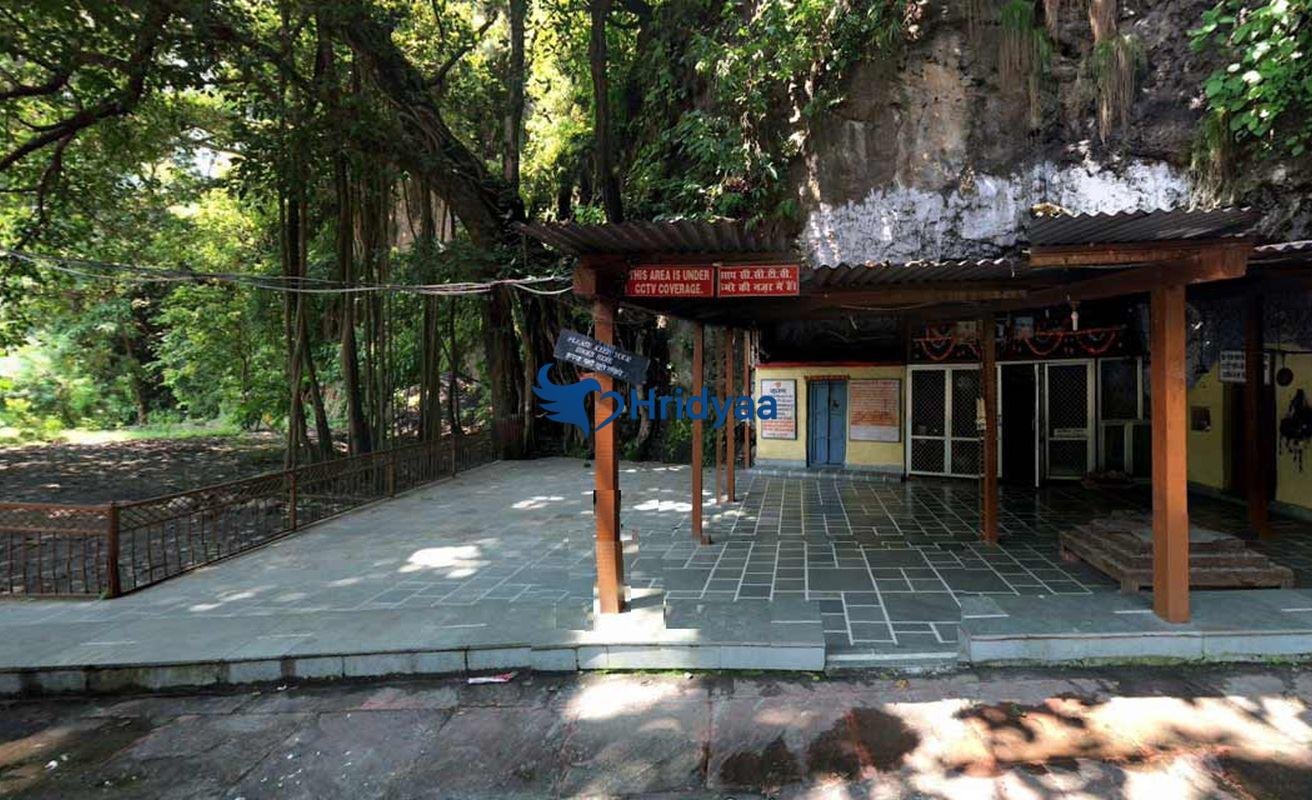
Hidden along a quiet stretch of the Ganga River, far from the busy ghats and cafés, Vashishta Gufa is one of the few places around Rishikesh where silence still feels undisturbed. Many travelers know of it by name, but far fewer actually make the effort to visit — and that effort is precisely what keeps it peaceful.
The cave is believed to be the meditation site of Sage Vashishta, and unlike more popular spiritual stops, it carries no sense of performance or display. There are no crowds gathering for photos, no vendors calling out, and no pressure to move quickly. The space invites stillness naturally. Inside the cave, sound fades almost completely, and even those unfamiliar with meditation instinctively lower their voice.
What makes Vashishta Gufa a true hidden gem is its location and access. Reaching it requires intention — a short walk, a set of steps, and the willingness to step away from the road. This natural filter keeps casual tourism away and preserves the contemplative atmosphere. Once inside, time feels slower, and even a brief stay leaves a lasting impression.
The area around the cave is equally understated. The river flows quietly nearby, the surroundings remain clean and uncluttered, and the entire stretch feels grounded rather than curated. Early mornings and late afternoons are especially powerful here, when light softens and the cave feels almost timeless.
Vashishta Gufa is not a place you “visit” in the usual sense. It’s a place you sit with. For travelers seeking depth over activity, and presence over sightseeing, this cave offers a rare kind of experience — one that stays with you long after you leave.
Must Read: Vashishta Gufa Rishikesh – Location, Best Time & Visitor Experience
4) Beatles Ashram: Where Silence Speaks Louder Than the Art
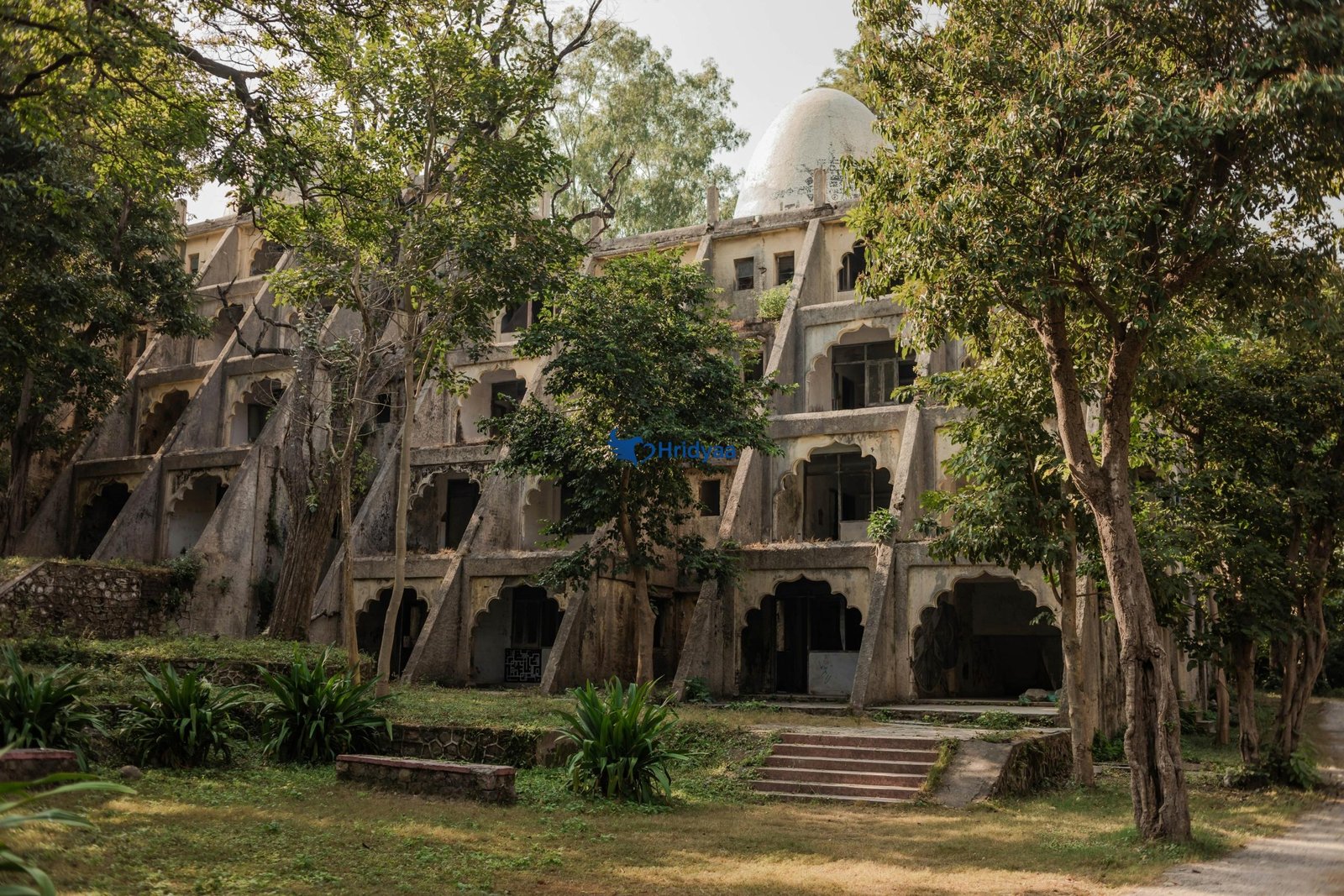
Known officially as Chaurasi Kutia, Beatles Ashram sits quietly on the forested edge of Rishikesh, carrying layers of history that most visitors only partially notice. While many come for the murals and photography, few slow down enough to experience the deeper atmosphere that still lingers beneath the surface.
This is the place where the Beatles stayed in 1968, but reducing it to a pop-culture stop does it a disservice. What makes the ashram special is not who visited, but why they came — to disconnect, meditate, and escape noise. That original intention is still present, especially if you visit during quieter hours.
Beyond the popular graffiti zones, the ashram opens into long walking paths, empty meditation domes, and shaded forest stretches where silence returns quickly. As you move deeper inside, crowds thin out and the energy shifts. The space stops feeling like an abandoned structure and starts feeling like a pause — a reminder of a time when creativity and spirituality overlapped naturally.
The surrounding forest plays a huge role in preserving this mood. Birds replace voices, wind moves through broken windows, and the absence of commercial activity allows the place to breathe. Early mornings and late afternoons are when Beatles Ashram feels closest to its original purpose, long after day-visitors have left.
Beatles Ashram is a hidden gem not because it’s unknown, but because most people only see one layer of it. For travelers willing to walk slowly and linger without an agenda, it offers a rare blend of history, nature, and quiet introspection — something increasingly hard to find in Rishikesh.
Must Visit: Beatles Ashram, Rishikesh (History, Best Time to Visit, How to Visit)
5) Triveni Ghat: The Side of Rishikesh Most People Never See
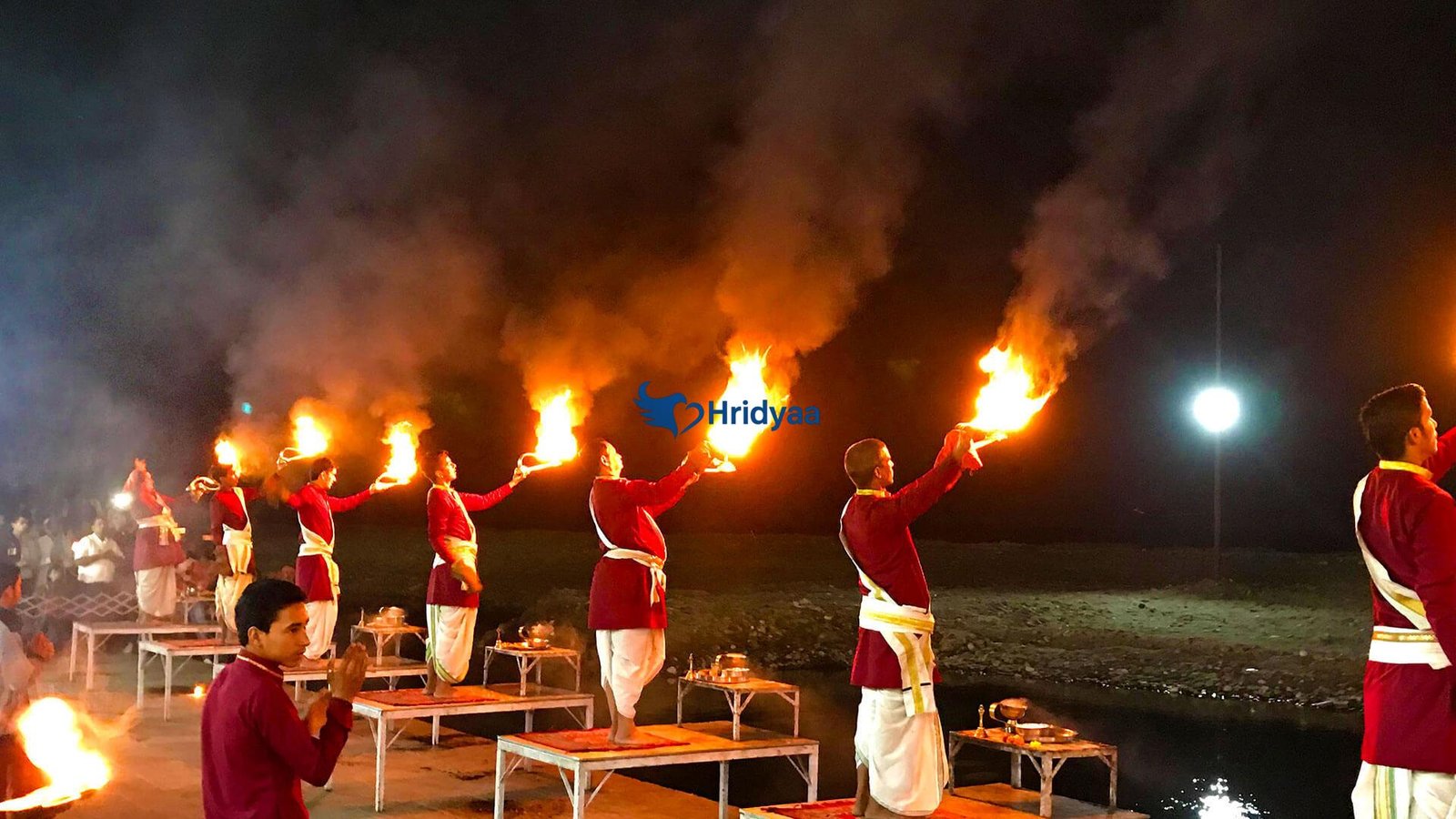
For most visitors, Triveni Ghat is synonymous with the evening Ganga Aarti — crowded steps, ringing bells, raised phones, and tightly packed silence. What often goes unnoticed is that outside those evening hours, Triveni Ghat transforms completely, revealing a version of Rishikesh that feels deeply local and unfiltered.
Early mornings at Triveni Ghat are where its true character lives. Before sunrise, the ghat belongs to residents — elderly people offering prayers, locals quietly bathing in the Ganga River, and a calm rhythm that has nothing to do with tourism. There is no rush, no announcements, and no performance. The river feels closer, quieter, and more personal.
Unlike the tourist-heavy ghats near Laxman Jhula, Triveni Ghat remains rooted in daily life. Vendors set up slowly, temple bells ring softly, and conversations happen in low voices. Even during the day, stepping slightly away from the main aarti zone reveals corners where the ghat feels untouched by spectacle.
What makes Triveni Ghat a hidden gem is timing, not location. Visit it only during the evening, and it feels overwhelming. Visit it early in the morning or just after sunrise, and it becomes one of the most grounding places in Rishikesh — a space where the city’s spiritual pulse feels genuine rather than staged.
Triveni Ghat reminds you that Rishikesh is not only a destination — it is a lived-in town with routines, faith, and quiet moments that exist beyond what visitors usually see.
Must Read: Triveni Ghat: Where Rishikesh Actually Meets the Ganga
6) Patna Waterfall: A Hidden Gem That Depends on Timing
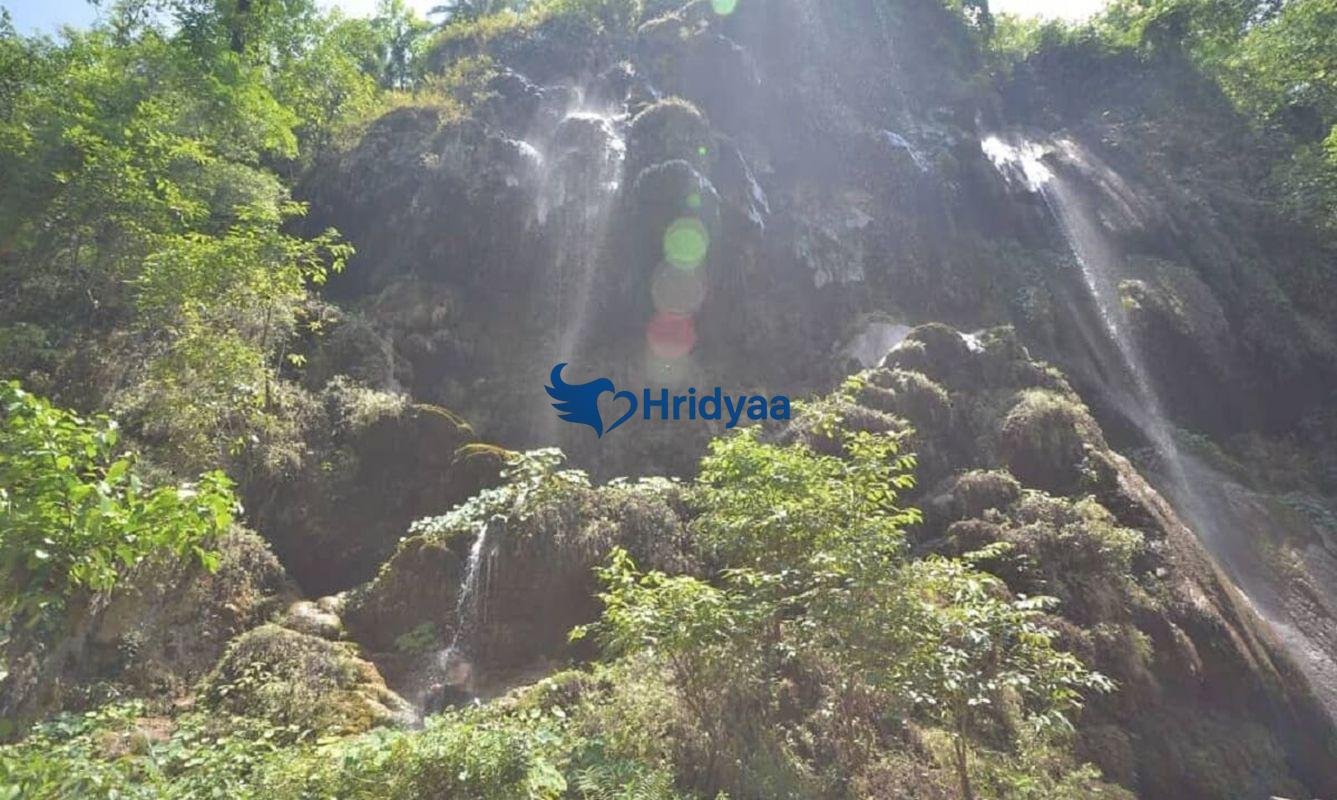
Located on the Neelkanth road just outside Rishikesh, Patna Waterfall is often labeled as a popular spot — and that reputation is exactly why most people miss its best side. Visit at the wrong time, and it feels crowded and rushed. Visit it at the right moment, and it quietly earns its place among Rishikesh’s true hidden gems.
The key to experiencing Patna Waterfall differently is early timing. In the first hours of the morning, before tour vehicles arrive, the short forest trail feels calm and untouched. The sound of water grows gradually as you walk, and the waterfall reveals itself without the noise and movement that usually dominate later in the day.
During these early hours, the space around the waterfall feels open and breathable. The water pools are clearer, the surroundings are quieter, and the entire experience feels more connected to nature than tourism. Locals and experienced travelers often visit at this time, knowing that Patna Waterfall changes character once crowds build.
Another overlooked detail is the walk itself. The approach trail passes through shaded forest and rocky patches that set a natural pace. When unhurried, this walk becomes part of the experience rather than just a means to an end.
Patna Waterfall is not hidden because it is unknown. It is hidden because most people experience it at its noisiest hour. Those who arrive early discover a calmer, more rewarding version — one that feels closer to Rishikesh’s natural rhythm.
Must Read: Patna Waterfall Rishikesh: A Quiet Himalayan Trek Most Tourists Miss
7) Neelkanth Temple: Where the Journey Becomes the Experience
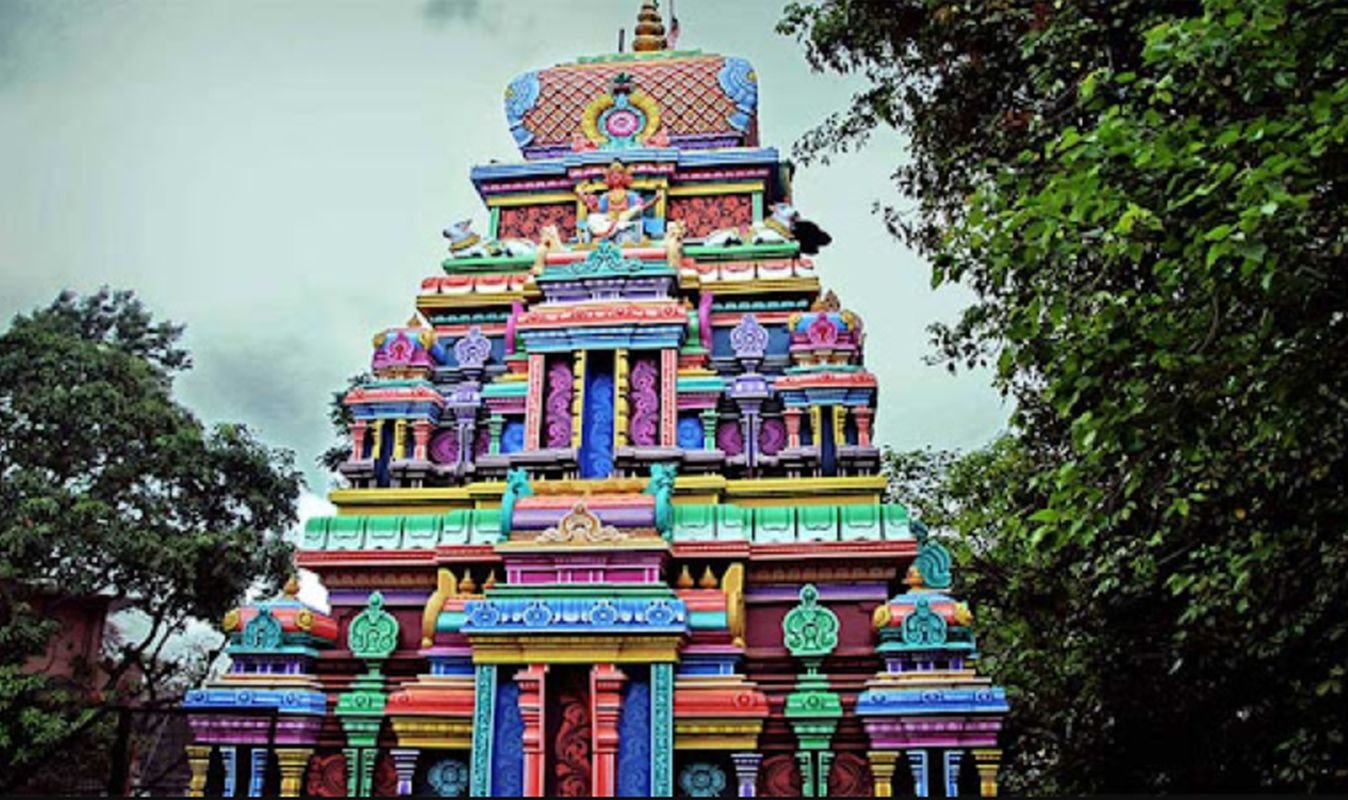
Set deep within forested hills above Rishikesh, Neelkanth Temple is often described as an important pilgrimage site. What many visitors overlook is that its real power lies not only in devotion, but in the slow, immersive journey that leads to it.
The road to Neelkanth Temple winds through dense forest, narrow hill stretches, and quiet village pockets that feel far removed from Rishikesh’s busy riverfront. As you move higher, mobile signals weaken, traffic thins, and the surroundings naturally demand attention. Even before reaching the temple, the noise of daily life begins to fade.
The temple itself carries deep spiritual significance, associated with Lord Shiva and the legends surrounding the Ganga River and the churning of the ocean. Yet, despite its importance, Neelkanth Temple remains grounded and simple. There is no sense of spectacle here — prayers happen quietly, rituals remain unhurried, and the space feels rooted in tradition rather than tourism.
What makes Neelkanth Temple a hidden gem is timing and intent. Visit during peak festival days, and it feels busy. Visit on a regular morning or late afternoon, and the surrounding forest, cool air, and gentle rhythm create a deeply calming experience. Sitting quietly after darshan, listening to wind and distant bells, often becomes the most memorable part.
Neelkanth Temple is ideal for travelers who want spirituality without crowds and reflection without performance. It reminds you that some places reveal themselves slowly — especially when you allow the journey to shape the experience.
Must Read: Neelkanth Mahadev Temple near Rishikesh – Location, Best Time & Travel Guide
8) Camping in Rishikesh: Where the City Finally Falls Silent
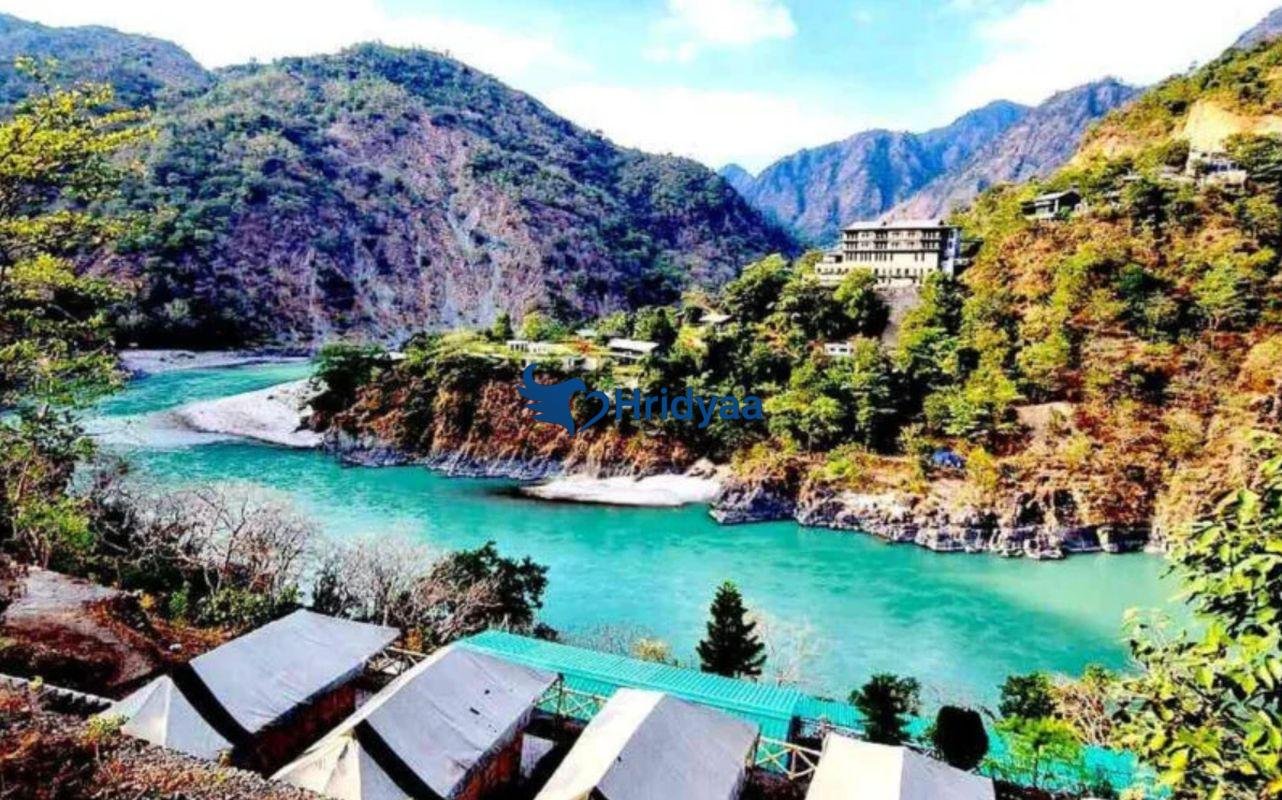
For many visitors, Rishikesh is a place of movement — bridges, cafes, ashrams, and constant foot traffic. What often goes unnoticed is that just a short distance away, Rishikesh quietly transforms into something entirely different. Camping in Rishikesh offers access to this softer, slower side — one that feels untouched by schedules and crowds.
The real charm of camping here lies in where it happens. Most camps are set away from the main town, along quiet stretches of the Ganga River or tucked into forested valleys. Once you arrive, the noise of traffic and tourism fades quickly. Evenings become about watching the river, listening to insects and wind, and sitting without urgency.
Unlike hotels, camps don’t isolate you from the environment — they place you inside it. Nights are darker, mornings arrive gently, and time feels less defined. For many travelers, this shift is the most restorative part of their Rishikesh trip. The experience isn’t about luxury or activities; it’s about presence.
What makes camping in Rishikesh a hidden gem is that it’s often treated as an add-on rather than a destination in itself. Yet for those who stay overnight, camping reveals something rare: uninterrupted river views, quiet conversations, star-filled skies, and a sense of distance from the world — even though the town is not far away.
Camping here is ideal for travelers who want to feel Rishikesh rather than move through it. It strips the experience down to essentials and allows nature to do the rest.
Check List of Various Camping Packages in Rishikesh.
9) Shivpuri: The Stretch of Rishikesh That Breathes Freely
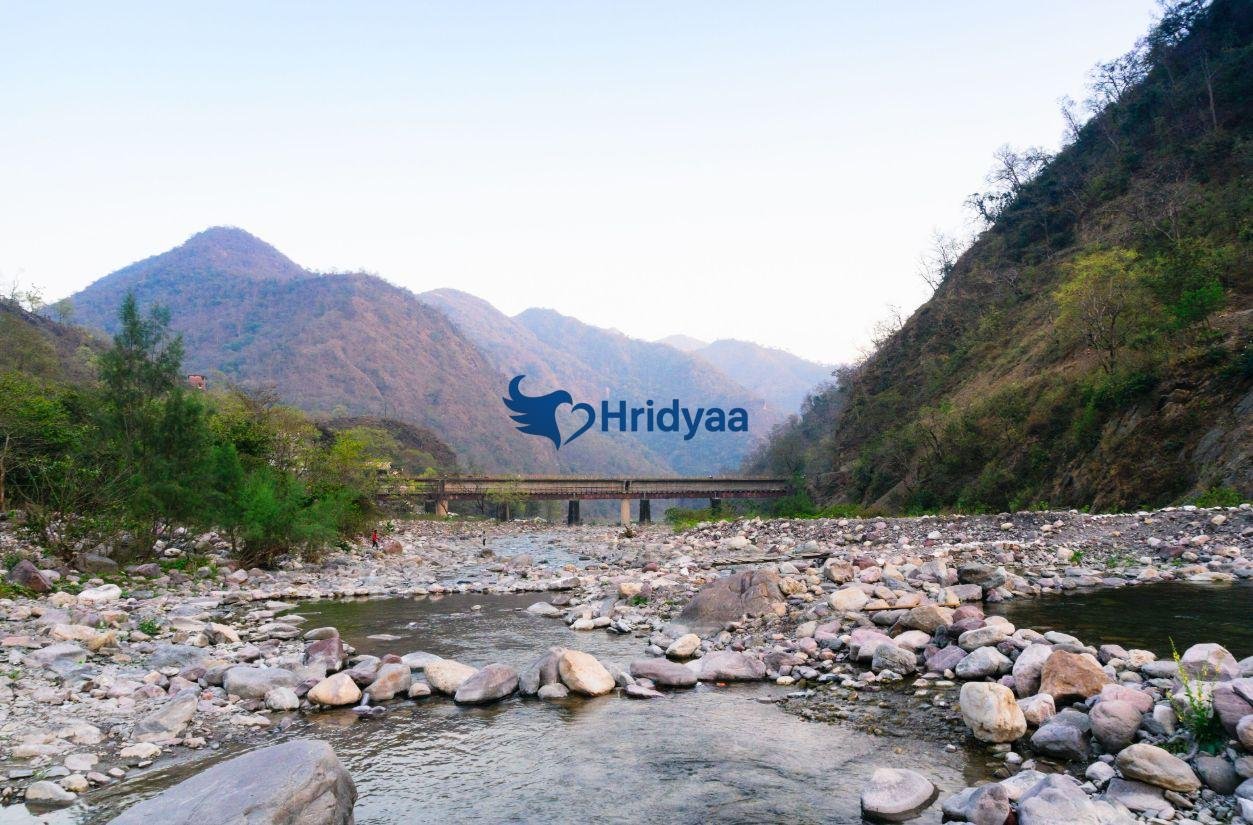
Just a short drive upstream from Rishikesh, Shivpuri is widely known for rafting — and quietly underestimated for everything else. Once the rafts are off the river and day visitors head back to town, Shivpuri reveals a calmer, more spacious version of Rishikesh that many travelers never notice.
What makes Shivpuri special is its openness. The riverbanks are wider, the surroundings feel less compressed, and the Ganga River flows with a visible sense of freedom here. Early mornings are especially striking. Mist rises slowly from the water, the banks remain empty, and the silence feels deeper than anywhere closer to town.
Beyond rafting camps, Shivpuri has quiet walking stretches, low-key riverside stays, and pockets where you can sit for hours without interruption. There are no loud ghats or constant foot traffic. Time feels less managed, and nature takes the lead. Evenings settle quickly, with the river becoming the central presence rather than an attraction.
Shivpuri works best for travelers who want distance without disconnection. You’re close enough to Rishikesh to reach easily, yet far enough to feel removed from its pace. It’s ideal for slow mornings, open views, and nights that end in real silence.
As a hidden gem, Shivpuri isn’t about discovering something unknown — it’s about staying long enough to see what most people miss.
Must Read: Is Shivpuri Worth Visiting? A Ground-Level Rishikesh Guide
10) Holi Celebration in Rishikesh: Color Without Chaos
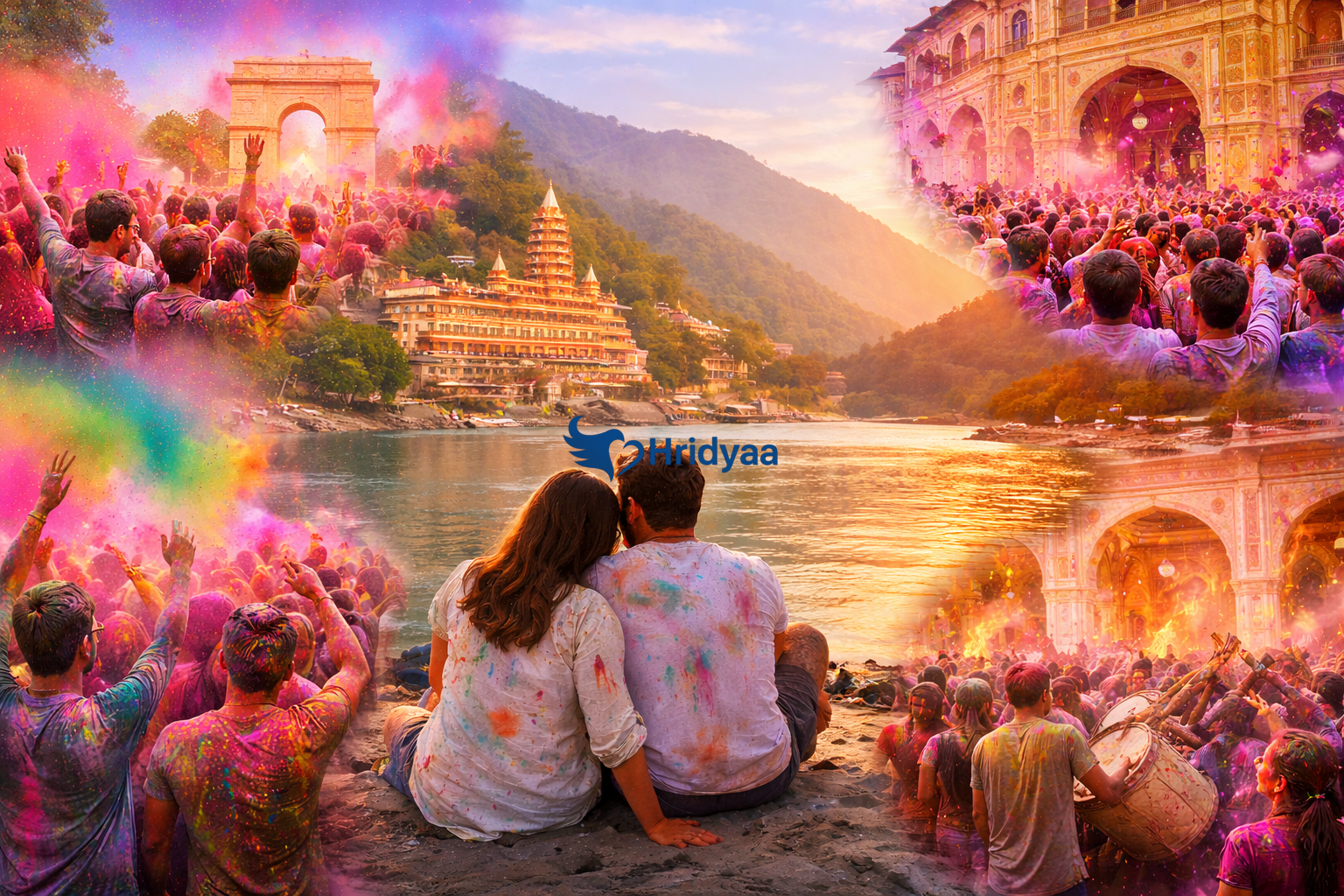
Holi in Rishikesh unfolds differently from most places in North India, and that difference is exactly why it qualifies as a hidden gem. Instead of spilling uncontrollably onto every street, Holi here happens in contained, intentional spaces — ashrams, camps, small neighborhoods, and riverside stays — allowing celebration and calm to coexist.
The presence of the Ganga River quietly shapes the mood of the festival. Mornings begin slowly, colors appear gradually, and there is a noticeable absence of urgency. Music exists, laughter flows, but the celebration rarely tips into aggression or excess. You participate by choice, not by force.
What makes Holi in Rishikesh special is its balance. You can play with colors for an hour and then step away to sit by the river, wash off, and return to silence. Even in popular areas, celebrations usually wind down by afternoon, and by evening the city begins to feel like itself again. This rhythm is rare during Holi in most destinations.
Another overlooked aspect is the sense of safety and comfort. Families, solo travelers, and couples often feel more at ease here because the celebration remains grounded. Alcohol-driven chaos and overcrowded streets are less common, and there’s a shared understanding of boundaries.
Holi in Rishikesh is not about spectacle. It’s about joy without exhaustion, color without loss of control, and celebration that leaves you feeling lighter the next day instead of drained. For travelers who want to experience Holi without sacrificing peace, this quiet balance becomes the real hidden gem.
Must Read: Holi Celebration in Rishikesh: Inside India’s Most Colorful Riverside Holi Parties & Camps
Final Verdict: Rishikesh Reveals Itself When You Stop Rushing
What truly connects all these hidden gems around Rishikesh is not distance, popularity, or even beauty — it’s pace. Each place reveals a different layer of Rishikesh that only appears when you slow down. Whether it’s the quiet rhythm of Phool Chatti, the reflective stillness of Vashishta Gufa, the forested approach to Neelkanth Temple, the early-morning calm of Triveni Ghat, or the balanced joy of Holi celebrations, these experiences reward presence over planning.
Rishikesh is often portrayed as a place to do things — rafting, yoga, sightseeing, adventure. But its real depth lives in moments where nothing is demanded of you. These hidden gems don’t compete for attention; they invite you to stay a little longer, walk a little slower, and listen more closely. The further you move away from crowds and schedules, the closer you come to the spirit that has drawn seekers, travelers, and wanderers here for generations.
If you approach Rishikesh with patience rather than urgency, it stops being a destination and starts feeling like a companion — one that offers calm, clarity, and quiet joy in return. And that, more than any landmark or activity, is what makes discovering these hidden gems truly unforgettable.


Join The Discussion