
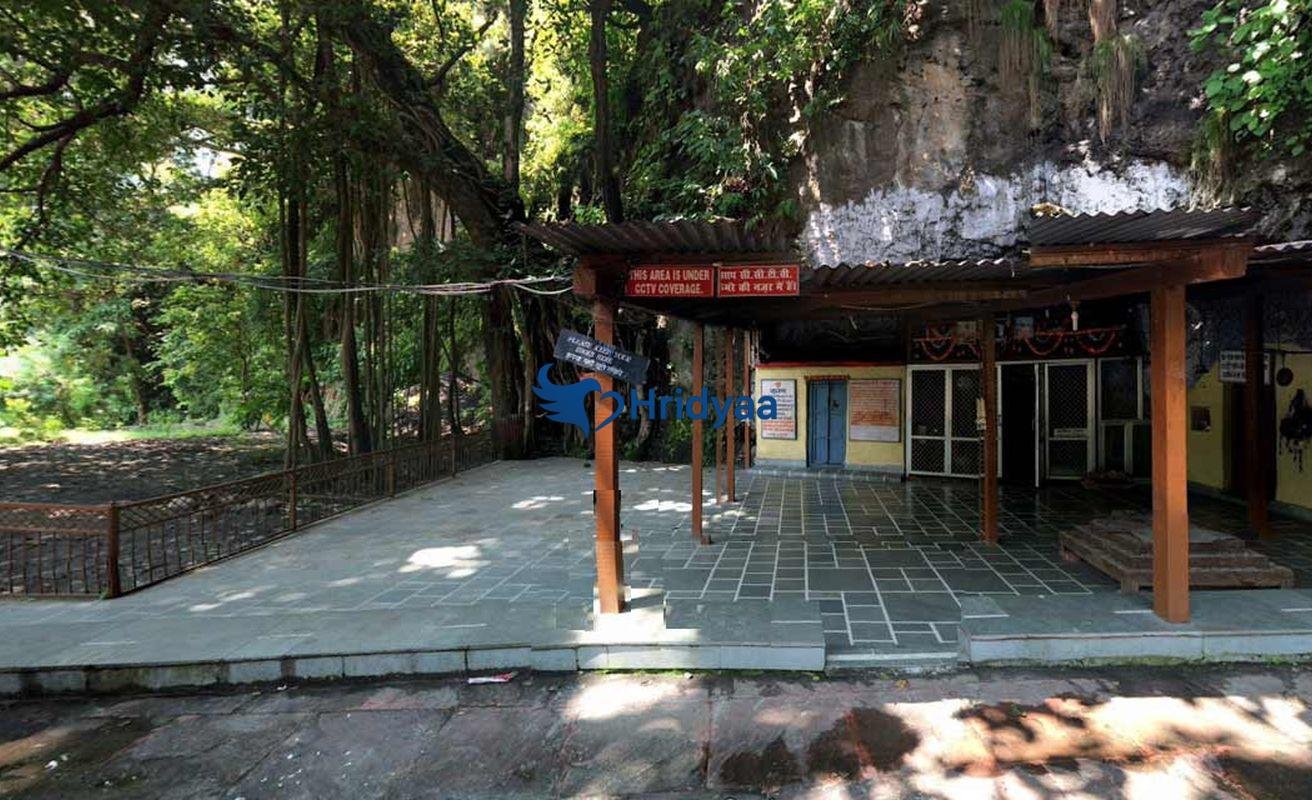
Vashishta Gufa is one of the quietest and most inward-facing spiritual spaces associated with Rishikesh. Unlike riverfront ghats or busy ashrams, this ancient cave is known for silence rather than spectacle. Located on a secluded stretch of the Ganga, it represents an older rhythm of spiritual practice — one that values withdrawal, contemplation, and minimalism. For travelers who want to understand Rishikesh beyond yoga halls and evening aartis, Vashishta Gufa offers a rare contrast.
Where Exactly Is Vashishta Gufa Located?
Vashishta Gufa is situated about 25 kilometers upstream from Rishikesh, near Shivpuri, along the Badrinath Highway. The cave sits directly on the banks of the Ganga, below road level, surrounded by forested slopes and rocky outcrops. A short stairway leads down from the highway to the ashram and cave entrance. This stretch of the river is noticeably quieter than central Rishikesh, with fewer settlements and limited commercial activity.
Why This Place Matters Today
Today, Vashishta Gufa continues to function as a place of meditation rather than a tourist attraction. The cave is traditionally associated with Sage Vashishta, and its relevance lies in how it preserves the meditative tradition of the region. Sadhus, long-term meditators, and serious spiritual seekers still spend time here, often in silence. In a town increasingly shaped by wellness tourism, this cave stands as a reminder of Rishikesh’s older ascetic roots.
What Travelers Often Get Wrong
Many visitors assume Vashishta Gufa will resemble a temple complex or ashram campus. In reality, the cave itself is small, dimly lit, and intentionally simple. Another common misunderstanding is expecting guidance or explanations on arrival. There are no guided tours or announcements — visitors are expected to observe quietly. Some travelers also mistake its location as walkable from town, underestimating the distance and highway conditions.
Best Time to Visit and Seasonal Reality
The most suitable time to visit Vashishta Gufa is between October and March, when temperatures are comfortable and the river level is stable. Summers can be hot, especially during midday, while the monsoon season brings strong river currents and occasional restrictions near the water’s edge. Early mornings are ideal year-round, offering the greatest sense of calm before day visitors arrive. During peak tourist months, crowds remain relatively light compared to central Rishikesh.
How to Reach Vashishta Gufa
The easiest way to reach Vashishta Gufa is by taxi or private vehicle from Rishikesh, following the Badrinath Highway toward Devprayag. Local buses and shared jeeps stop near Shivpuri, from where a short walk leads to the cave entrance. The final descent involves steps, which may be challenging for those with mobility concerns. There is no river crossing required.
Safety, Rules, and Local Guidelines
Silence is strongly encouraged inside the cave, and mobile phones should be kept on silent mode. Photography is generally discouraged within the cave space. During monsoon-related high water levels, access to the riverbank may be limited for safety reasons. Visitors should wear modest clothing and avoid loud conversations, as many people come here specifically for meditation. Footwear must be removed before entering the cave.
What to Expect When You Actually Visit
The first thing most visitors notice is the stillness. Inside Vashishta Gufa, the air is cool and dim, with only oil lamps and filtered daylight illuminating the meditation area. The sound of the Ganga flows constantly in the background, replacing the noise of traffic and crowds. There are no ceremonies or fixed schedules — just space to sit, reflect, or quietly observe. Outside, the riverbank offers a place to rest before returning to the road above.
Final Take: Is It Worth Visiting?
Vashishta Gufa is worth visiting if you value silence over activity and depth over convenience. It is not designed to impress, explain, or entertain. Instead, it offers something increasingly rare in Rishikesh — uninterrupted quiet beside the Ganga. For travelers seeking a more contemplative connection with the region, it can be one of the most meaningful stops.


Join The Discussion