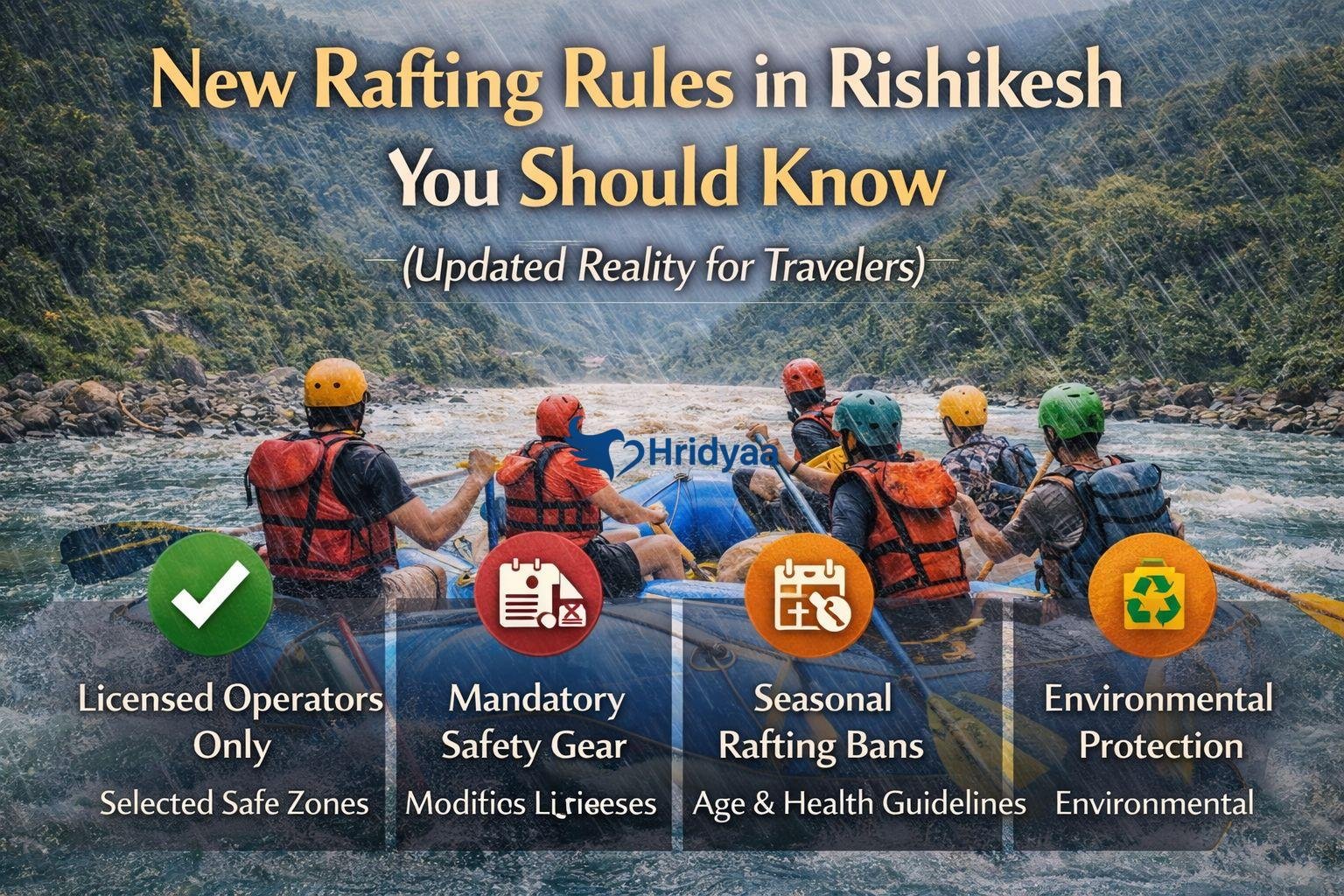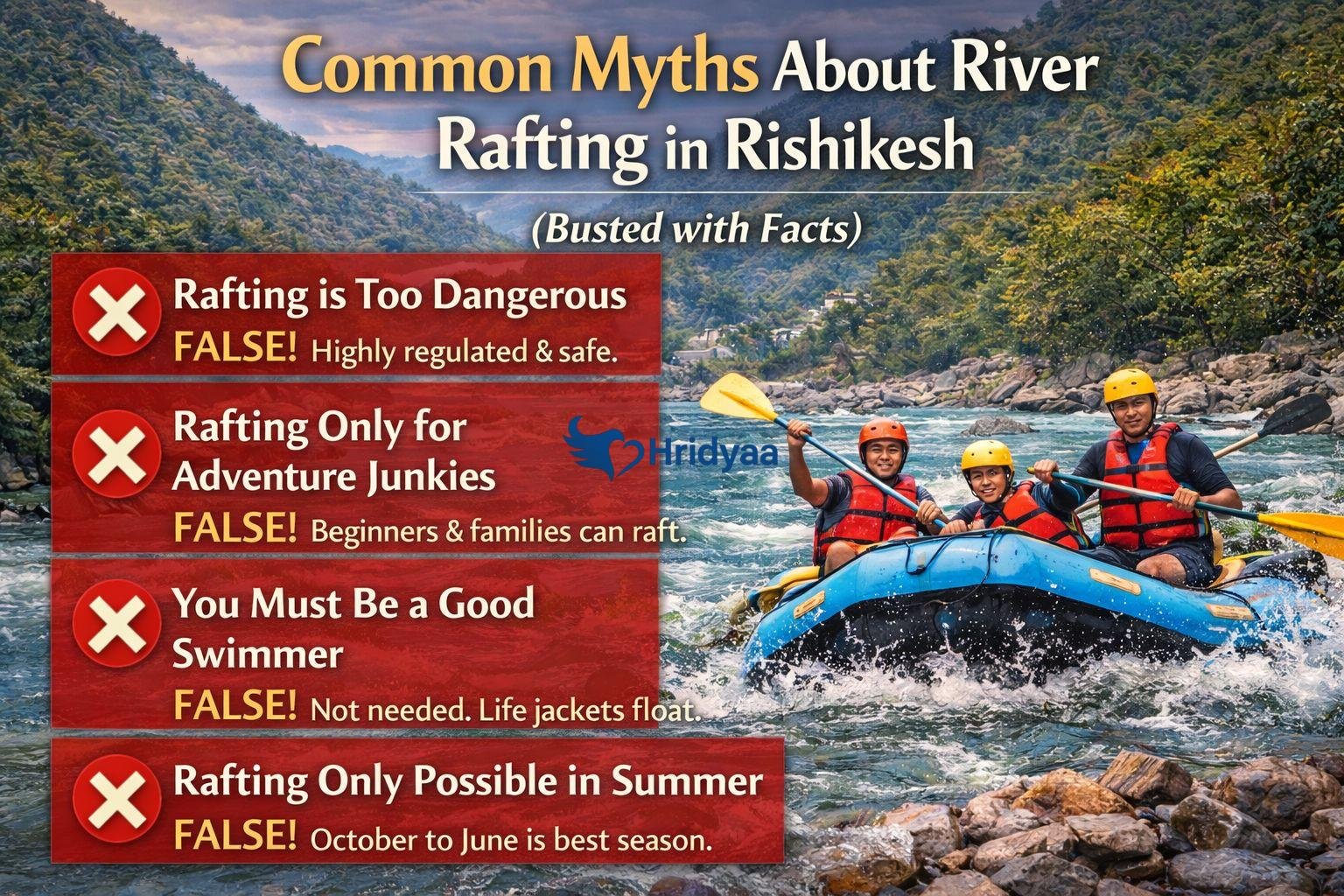
If you’re planning a trip to Rishikesh between July and September, one question becomes unavoidable:Is river rafting in Rishikesh allowed during the monsoon season? You may hear mixed answers—some operators say yes, others say no, and a few may even offer “special monsoon rafting.” This confusion leads many travelers to make unsafe or illegal choices. This article gives you a clear,...
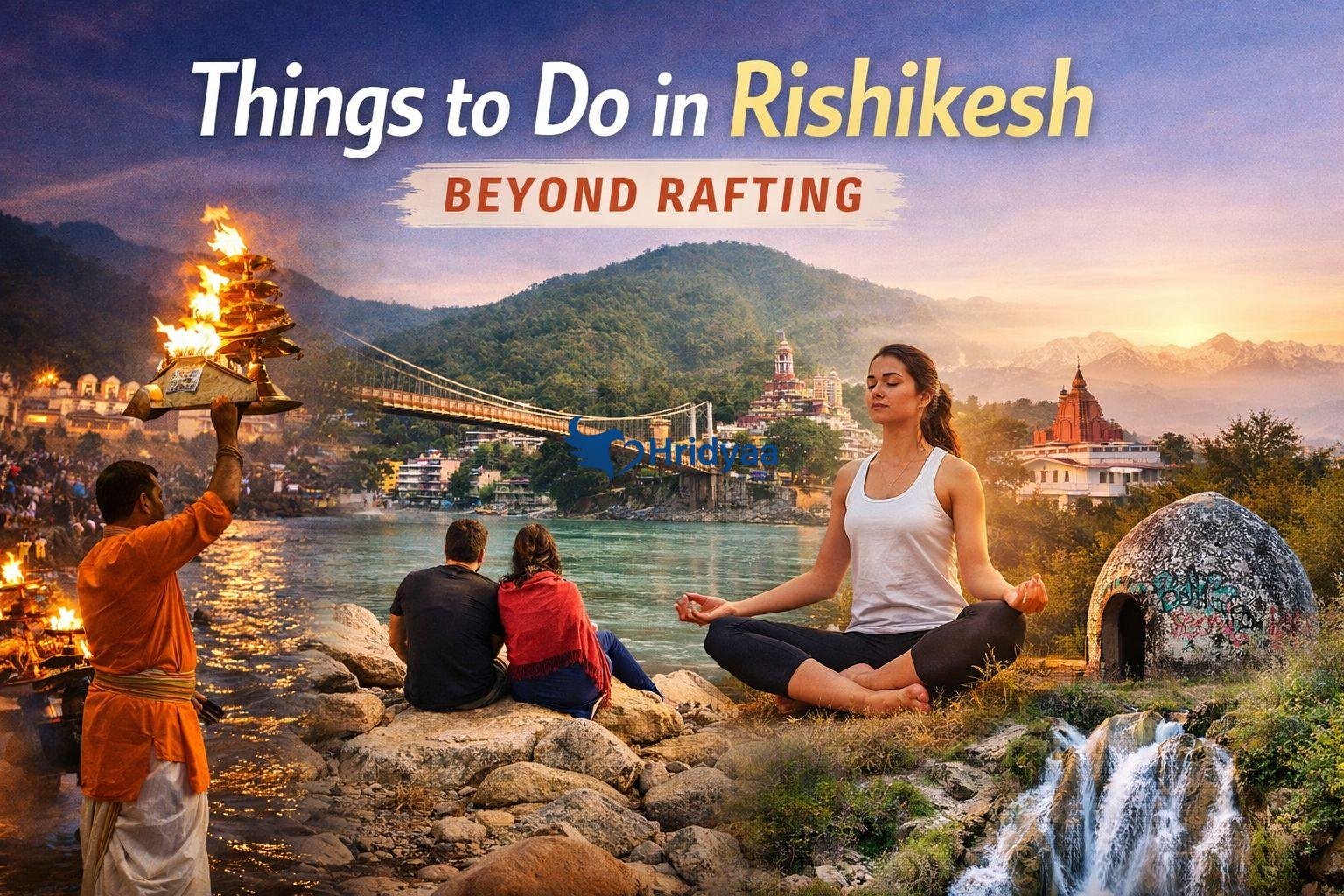
things to do in rishikesh
Lakshman Temple is one of the most symbolically important yet often briefly visited religious sites in Rishikesh. Located near the iconic Lakshman Jhula, the temple is closely tied to the Ramayana tradition and the mythological identity of the region. Unlike large pilgrimage complexes, Lakshman Temple is modest in scale, but its cultural weight far exceeds its physical size. To understand Rishikesh’s...
Kayaking in Rishikesh is often overshadowed by rafting, yet it represents one of the most technically demanding and authentic river activities in the region. Unlike rafting, which is group-based and guided, kayaking places the paddler alone with the Ganga, requiring skill, balance, and deep respect for river dynamics. In Rishikesh, kayaking is not a casual tourist thrill but a serious water sport...
Rock climbing in Rishikesh is a quiet but serious adventure discipline, practiced on natural rock faces shaped by the Ganga and the lower Himalayan foothills. Unlike artificial climbing gyms or heavily marketed adventure hubs, climbing here remains terrain-led and seasonal. Routes are short, technical, and rooted in real rock rather than curated walls. For travelers who want to understand Rishikesh beyond...
Trekking in Rishikesh is often misunderstood as an add-on activity to yoga, rafting, or temple visits. In reality, trekking here represents one of the most authentic ways to understand the geography and character of Rishikesh. Unlike high-altitude Himalayan treks that demand technical preparation, treks around Rishikesh are shaped by forest trails, river valleys, and village paths. They are accessible,...
Beatles Ashram, officially known as Chaurasi Kutia, is one of the most quietly powerful places in Rishikesh. It is not a conventional tourist attraction, nor is it a functioning ashram anymore. What draws people here is not ritual or instruction, but atmosphere—a sense of pause, reflection, and historical depth that still lingers among its abandoned meditation huts and forest paths. Located inside...
Bajrang Setu is the newly constructed bridge built as a permanent replacement for the historic Lakshman Jhula, which was closed in 2019 due to serious structural safety concerns. For travelers returning to Rishikesh after a gap, this change often causes confusion. Bajrang Setu now performs the role Lakshman Jhula once did—connecting the two spiritual and cultural halves of the town across the...
If you’re planning river rafting in Rishikesh, knowing what to wear is just as important as choosing the right rafting route. The wrong clothing can make your experience uncomfortable, unsafe, or even cut short—especially for first-timers. Unlike casual water activities, rafting on the Ganga involves cold water, strong currents, and long exposure to sunlight. This guide explains exactly what to...
If you’re planning river rafting in Rishikesh, you’ll often hear terms like Grade I, Grade II, or Grade III rapids. For first-timers, these grades can sound confusing—or even intimidating. But rafting grades are not marketing terms. They are internationally recognized difficulty levels used worldwide to describe how a river behaves, how powerful the rapids are, and what level of experience is...
If you’re planning river rafting in Rishikesh, one question comes up almost every time:Should you choose Shivpuri rafting or Marine Drive rafting? Both routes are popular, both operate on the Ganga River, and both promise adventure. But the experience they offer is not the same. Choosing the wrong one for your expectations can turn an exciting trip into a disappointing one. This guide compares...