
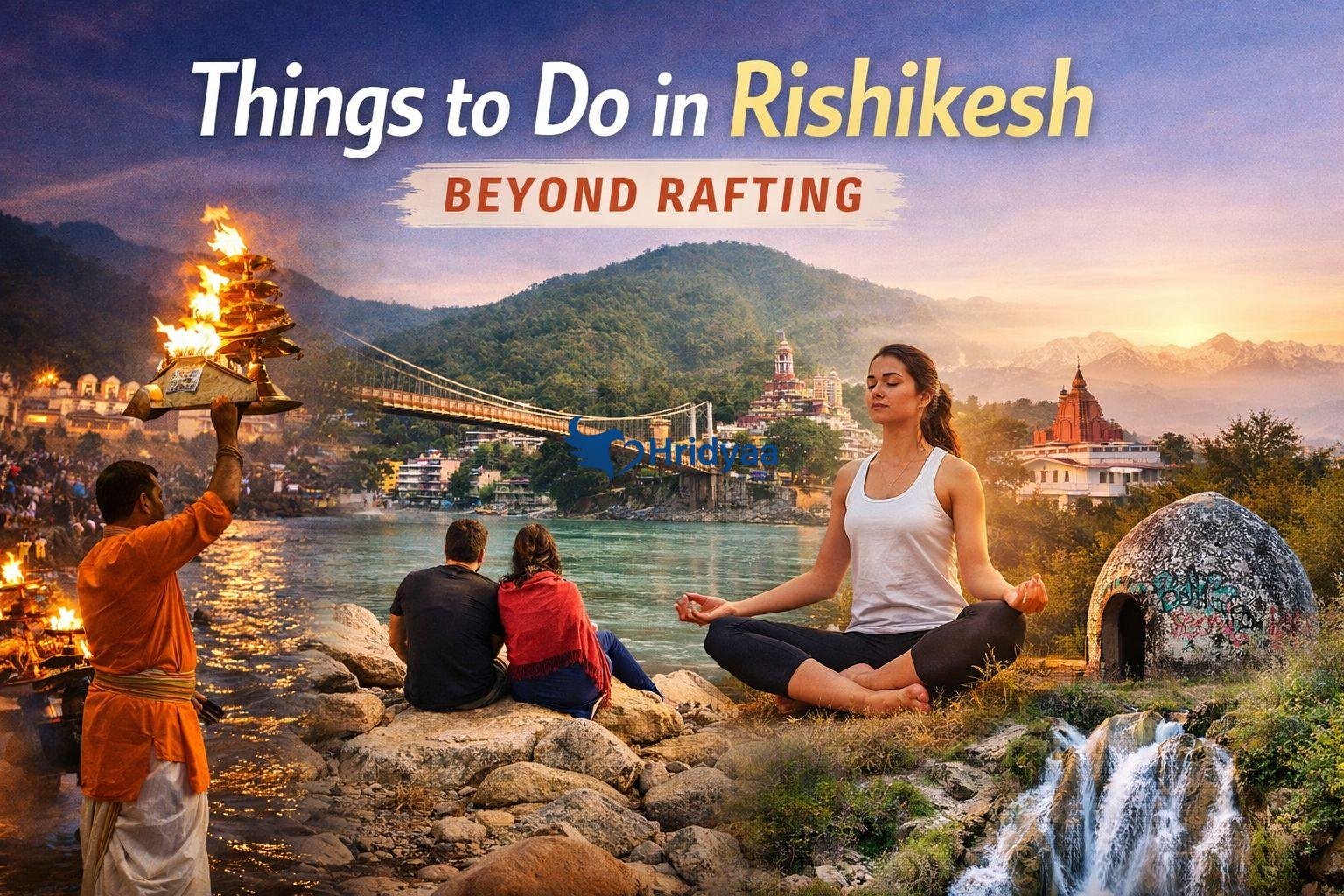
Rishikesh is often introduced as an adventure destination, with rafting positioned as its defining experience. But once you arrive and spend time beyond the riverbanks, it becomes clear that this Himalayan town is shaped just as much by stillness as it is by speed. From the ritual calm of Triveni Ghat to the ashram-lined stretches near Parmarth Niketan, Rishikesh unfolds slowly, rewarding those who pause. Beyond rafting, the town offers walking bridges like Lakshman Jhula and Ram Jhula, traditional yoga institutions, forest trails, and quiet sunrise viewpoints that together define its deeper identity. This is why the most meaningful things to do in Rishikesh often begin after the rafting ends—when the town’s quieter rhythm takes over.
Things to Do in Rishikesh Beyond Rafting
Why this Himalayan town quietly reshapes how people travel
Rishikesh is often introduced as an adventure destination, with rafting positioned as its defining experience. But once you arrive and spend time beyond the riverbanks, it becomes clear that this Himalayan town is shaped just as much by intention as it is by movement. From the ritual focus of Triveni Ghat to the ashram-lined stretches near Parmarth Niketan, Rishikesh unfolds in an unrushed, grounded way that rewards presence rather than speed. Walking across Lakshman Jhula, practicing yoga at traditional ashrams, or sitting by the Ganga without a plan reveals a place that doesn’t try to impress — it simply allows space.
Unlike cities where experiences compete for attention and urgency drives movement, Rishikesh rarely asks anything of you. Its most meaningful moments appear when structure loosens and the town quietly sets the pace. That’s why the most lasting things to do in Rishikesh often begin after rafting ends — when travel becomes less about doing and more about being.
Ganga Aarti: Where Evenings Become Intentional
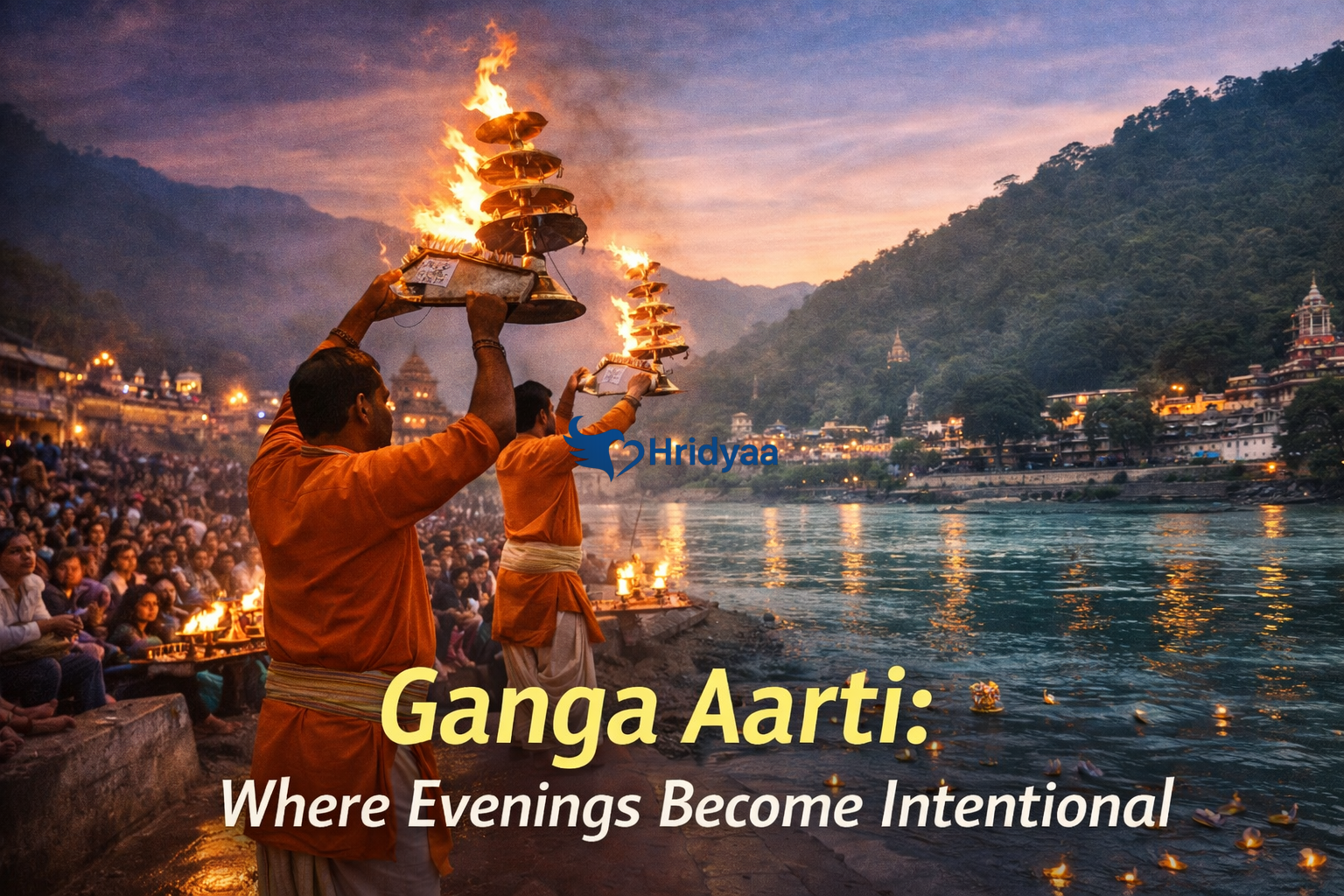
As daylight fades, Rishikesh doesn’t transition into nightlife. Instead, it settles into ritual.
The evening Ganga Aarti at Triveni Ghat feels deeply woven into daily life. Locals, pilgrims, and travelers gather naturally as lamps are lit and chants flow with the river. A little further upstream, Parmarth Niketan offers a more structured and serene aarti experience that many visitors find grounding.
Practical note: The aarti usually begins between 6:00–7:00 pm, depending on the season. Arriving 20–30 minutes early helps avoid crowds and allows a more focused experience.
Walking the Ganga: Lakshman Jhula, Ram Jhula & Beyond
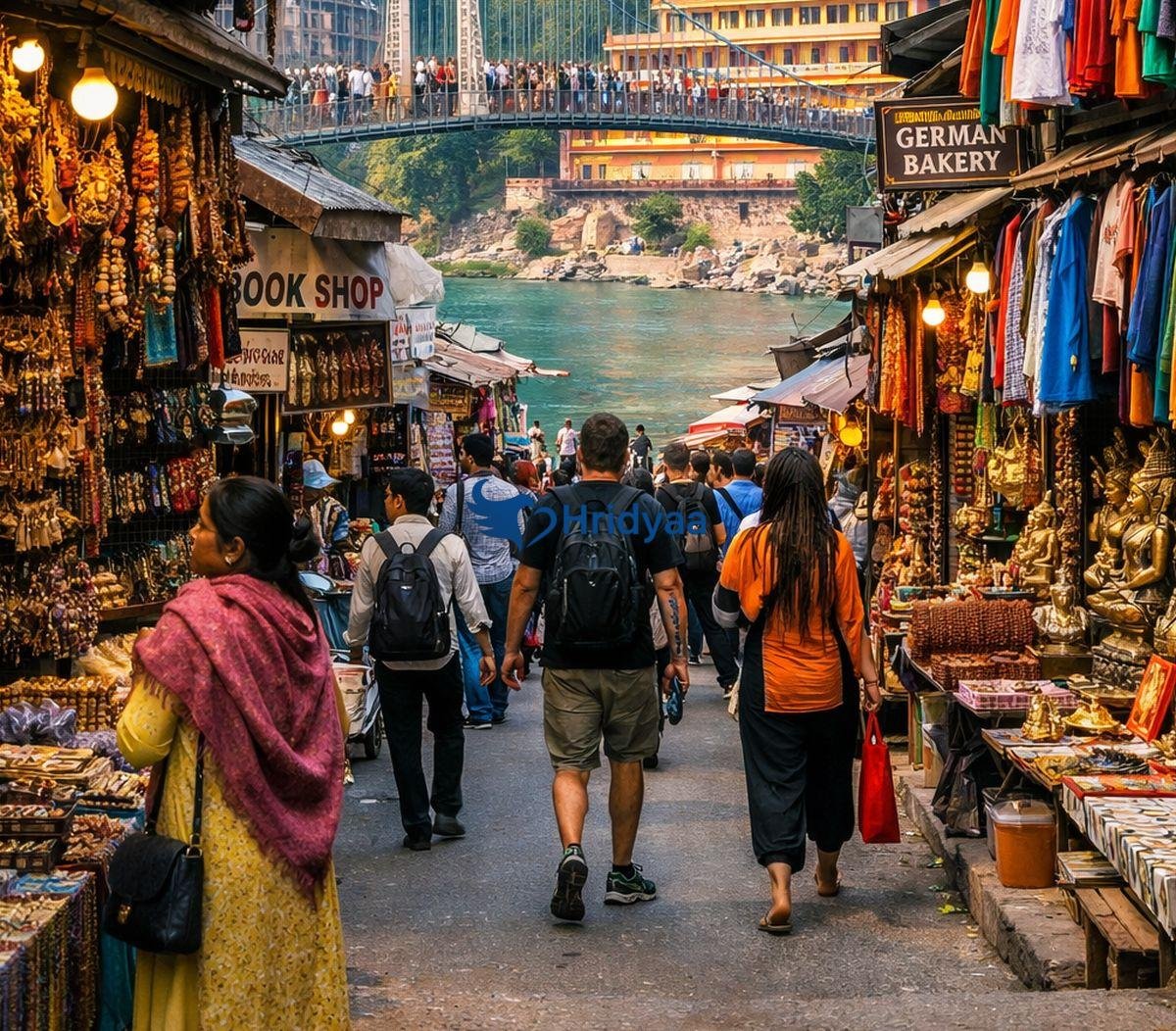
Crossing the iconic suspension bridges of Rishikesh is never just about reaching the other side. Whether it’s Lakshman Jhula or Ram Jhula, people instinctively slow down mid-walk — noticing the river below, the forested hills, and the mix of monks, café owners, and travelers sharing the same narrow span.
Exploring the Lakshman Jhula Market nearby adds a cultural layer, while newer infrastructure like Bajrang Setu offers a quieter crossing with expansive river views.
These walks are unstructured experiences — unplanned, yet often the most remembered.
Yoga That Feels Rooted, Not Performative

In Rishikesh, yoga is not treated as a trend or aesthetic.
At traditional institutions like Sivananda Ashram and Yoga Niketan, practice remains disciplined, inward-focused, and purposeful. Sessions emphasize breath control, posture, and mental steadiness rather than flexibility or display.
Practical note: Most traditional ashrams follow fixed schedules, with morning sessions often starting before 6:00 am, reinforcing routine and consistency over convenience.
For travelers seeking deeper immersion, exploring yoga retreats in Rishikesh through curated stays can add structure without diluting authenticity.
Beatles Ashram: Where Silence Carries History
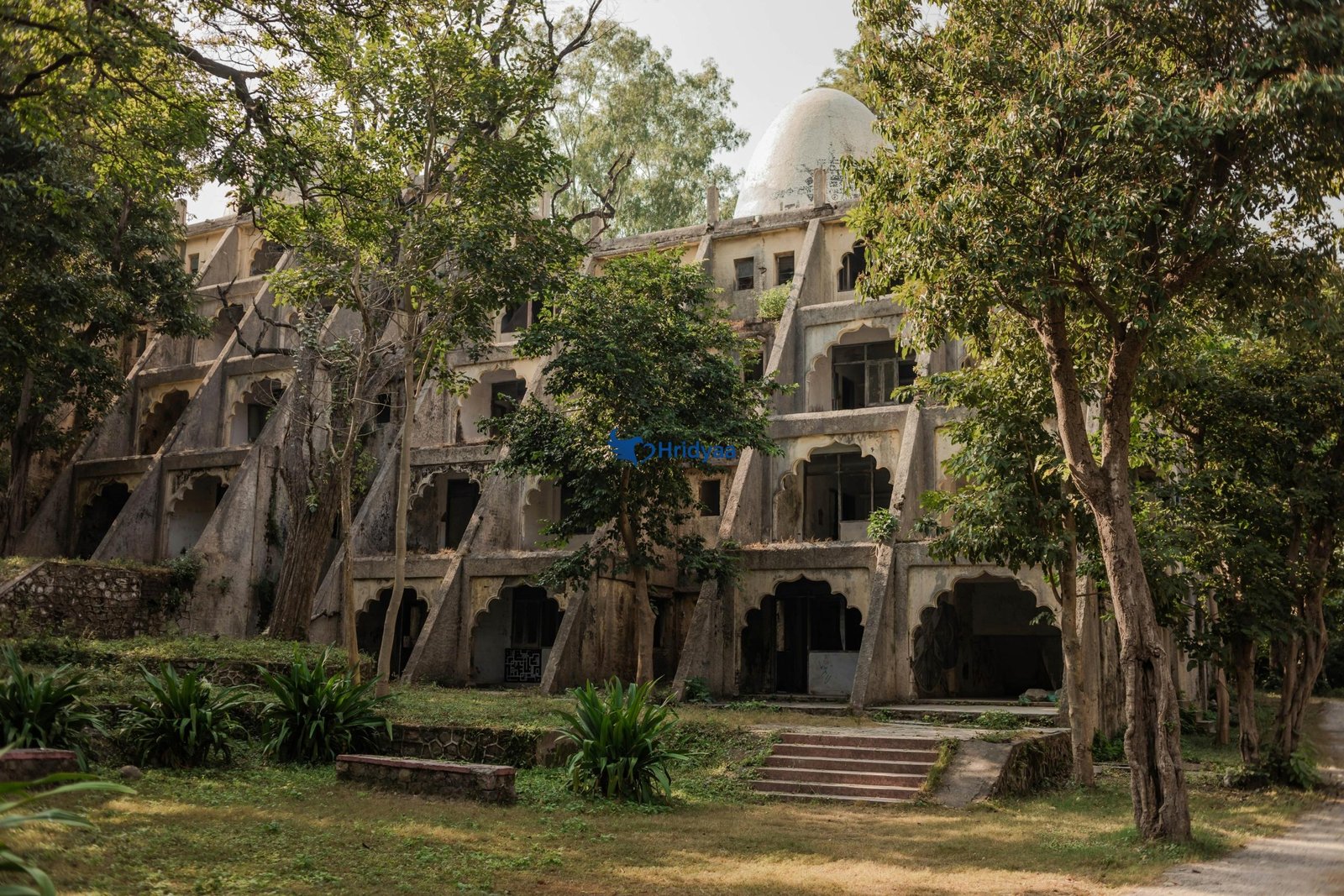
Hidden within forest land lies the Beatles Ashram, also known as Chaurasi Kutia — a place suspended between history and stillness.
This is where The Beatles stayed in 1968 to learn meditation under Maharishi Mahesh Yogi. Today, the site feels intentionally incomplete: graffiti-covered halls, abandoned meditation domes, and open courtyards invite slow exploration rather than sightseeing.
Practical note: The ashram is managed by the forest department and requires a nominal entry fee. It’s best explored without rushing, allowing time to absorb the space.
Nature Experiences Without the Pressure of Adventure
Not every Himalayan experience needs intensity. Rishikesh offers gentle ways to connect with nature without exhaustion.
Short walks to Neer Garh Waterfall are best done in the morning hours before crowds build up. A pre-dawn drive to Kunjapuri Temple rewards visitors with sweeping sunrise views over the Himalayan range, typically requiring departure from town before 6:00 am.
For quieter pauses, spending time along the riverbanks or exploring lesser-known Beaches in Rishikesh offers space without structure.
Wellness, Rest & Staying Close to the River
Many people arrive in Rishikesh mentally tired rather than physically exhausted. That’s why wellness here feels measured, not commercial.
Ayurvedic therapies, meditation retreats, and sound healing sessions are common, but never aggressively marketed. Rest is treated as essential, not optional. Choosing Camping in Rishikesh or peaceful Cottages in Rishikesh close to the Ganga often enhances this experience, allowing mornings and evenings to unfold naturally.
Where Adventure Still Fits — Without Taking Over
While this guide looks beyond rafting, adventure still has its place when chosen intentionally. Experiences like Bunjee Jumping in Rishikesh or River Rafting in Rishikesh work best when balanced with rest and reflection.
For first-timers, consulting a detailed Rafting Guide helps plan the right stretch and timing without overloading the itinerary.
The Most Underrated Experience: Doing Nothing
Perhaps the most powerful thing to do in Rishikesh is also the simplest. Sitting quietly by the Ganga early in the morning, watching the river change color as the town wakes up, often feels more restorative than any planned activity.
There is no ticket, no schedule, and no checklist — which is exactly why this experience stays with people the longest.
Why Rishikesh Stays With People
Rafting may introduce travelers to Rishikesh, but it’s rarely the reason they remember it.
Beyond rafting, Rishikesh offers grounding without isolation, spirituality without pressure, and nature without chaos. Whether you’re visiting during festivals like Holi Celebration in Rishikesh or planning a quieter season using a comprehensive Rishikesh Travel Guide, the town adapts without demanding urgency.
If you’re planning a 2–3 day trip, pairing rafting with these slower, intentional experiences creates the most balanced Rishikesh itinerary — one that allows adventure, recovery, and reflection to coexist.


Join The Discussion