
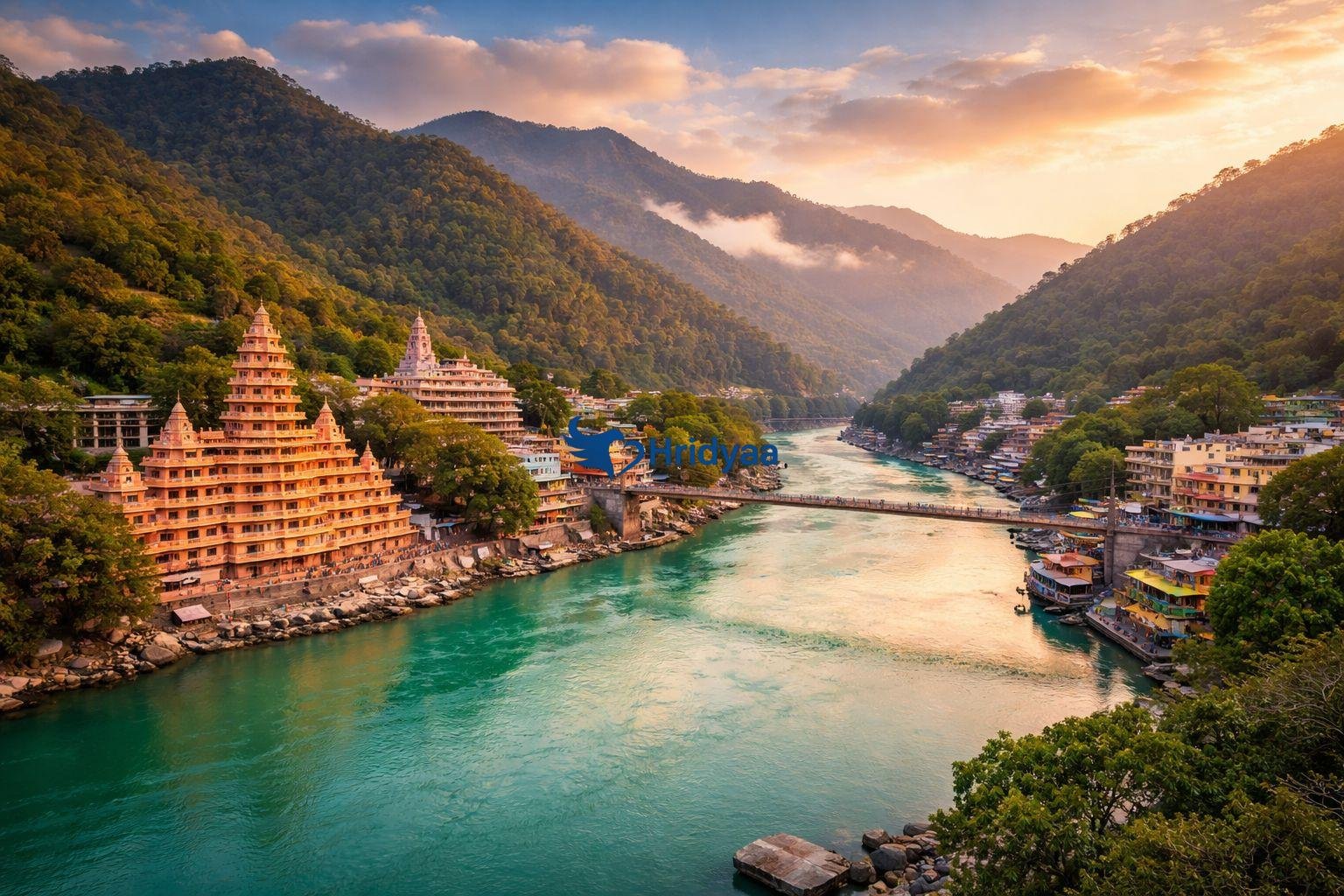
Rishikesh is one of those destinations that feels different the moment you arrive. Surrounded by the lower Himalayas and divided by the sacred Ganga River, the town blends adventure, spirituality, nature, and café culture in a way few places in India can.
Some travelers come here for river rafting and bungee jumping. Others arrive seeking yoga retreats, meditation, and peace. Many simply want a short mountain escape from Delhi that feels refreshing but not exhausting to reach.
What makes Rishikesh special is balance.
You can spend your morning practicing yoga with a river view, your afternoon navigating rapids, and your evening attending a peaceful Ganga Aarti ceremony. It is active yet calming, spiritual yet youthful, structured yet relaxed.
If river rafting is on your list, you can read our detailed guide on river rafting in Rishikesh to understand stretches, pricing, and safety.
If you are planning your first visit, this complete Rishikesh travel guide will help you understand:
- The best time to visit
- How many days are enough
- Where to stay in different areas
- Top things to do
- Adventure activity costs
- Safety insights
- Approximate trip budget
- Practical travel tips
Whether you are visiting as a couple, family, solo traveler, or group of friends, this guide will help you plan confidently.
Why Visit Rishikesh?
Rishikesh is not just a hill town. It is an experience town.
Unlike typical hill stations that focus only on scenery, Rishikesh offers multiple layers of travel experiences in one compact area. Within a few kilometers, you can explore temples, suspension bridges, yoga schools, adventure sports centers, riverside cafes, forest trails, and waterfalls.
One of the biggest reasons people choose Rishikesh is accessibility. It is close enough to Delhi for a weekend trip, yet far enough to feel like a proper break from city life. The drive itself slowly transitions from highways to hills, preparing you mentally for a slower pace.
Another reason is variety. Rishikesh works equally well for:
- Couples looking for peaceful boutique stays
- Families wanting a safe and vegetarian-friendly destination
- Solo travelers exploring yoga or self-discovery
- Friends planning an adventure weekend
- Corporate groups organizing team activities
The town also has a unique personality. It is officially a vegetarian zone, alcohol restrictions apply in most areas, and spirituality is deeply rooted in daily life. Yet at the same time, Tapovan and surrounding neighborhoods are filled with global travelers, live music cafes, and modern stay options.
This combination of tradition and youthful energy makes Rishikesh stand out.
If you are looking for luxury nightlife, Rishikesh may not be the right destination. But if you are looking for fresh air, mountain views, river energy, and meaningful experiences, it is hard to beat.
That is why so many travelers return again — not just once, but repeatedly.
Best Time to Visit Rishikesh
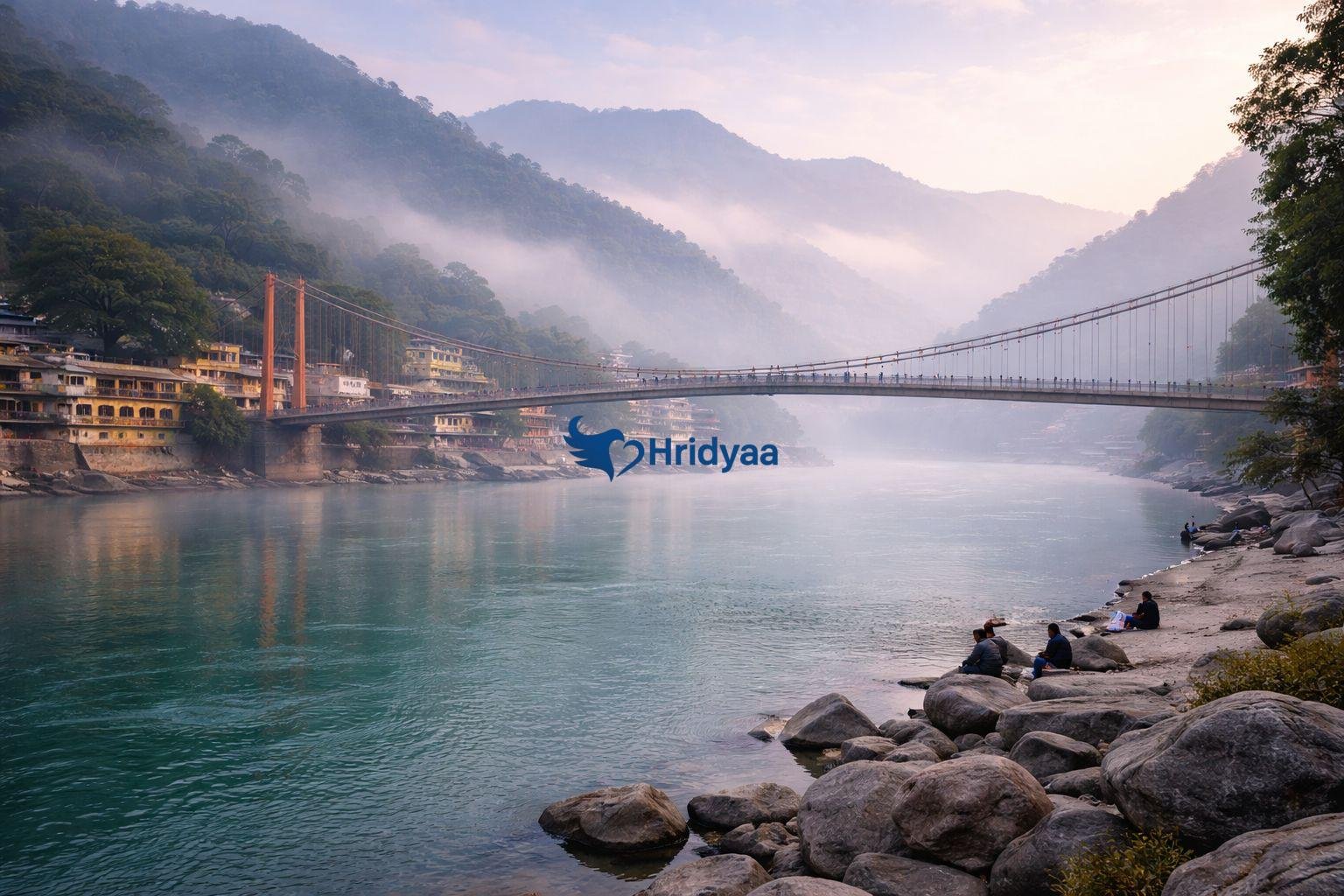
The best time to visit Rishikesh depends on what kind of experience you are looking for. Weather, rafting season, crowd levels, and personal travel goals all play a role in deciding the ideal month.
Rishikesh has three clear travel seasons — winter, summer, and monsoon — and each offers a slightly different vibe.
Winter (October to March) – The Most Comfortable Season
For most travelers, winter is the best time to visit Rishikesh.
The weather remains pleasant during the day, usually between 12°C to 25°C. Evenings can get cool, especially in December and January, but the crisp mountain air makes outdoor activities enjoyable.
This season is ideal for:
- River rafting
- Bungee jumping
- Yoga retreats
- Sightseeing and café hopping
- Family trips
The skies are usually clear, making it perfect for river views and photography. Because of comfortable temperatures, this is also the peak tourist season. Weekends and long holidays can get busy, especially around Tapovan and Ram Jhula.
If you want the best overall experience with balanced weather and active adventure sports, winter is the safest choice.
Summer (April to June) – Adventure Friendly but Warmer
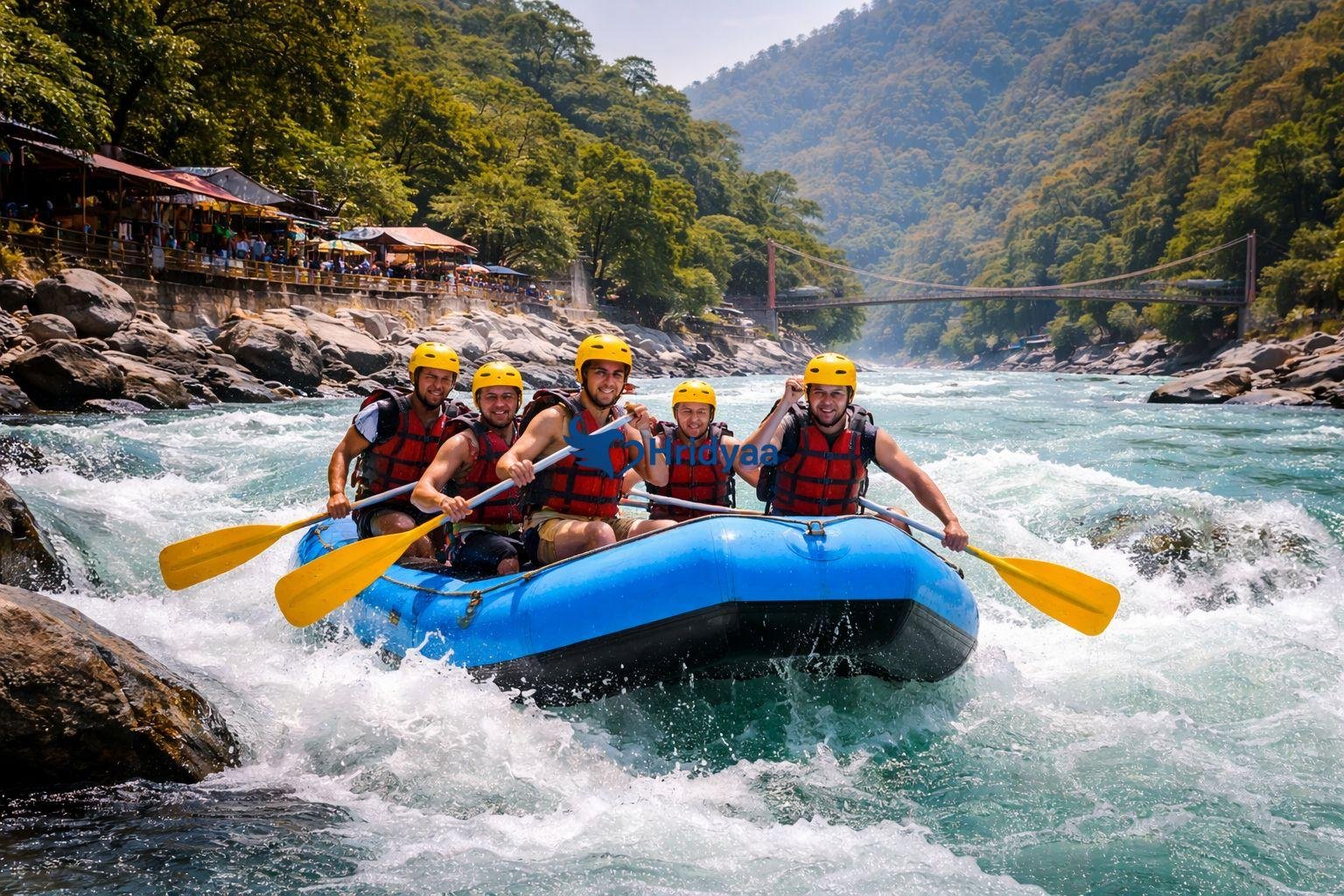
Summer in Rishikesh can feel warm during the day, with temperatures reaching around 35°C in May and June. However, compared to major cities like Delhi, it still feels fresher because of the river breeze and surrounding hills.
This season is particularly popular for river rafting, as the water levels are ideal and adventure activities run consistently.
Early mornings and evenings remain pleasant, making it suitable for yoga sessions and local exploration. If you plan your activities during cooler hours, summer can still be enjoyable.
It is a good time for:
- Budget travel
- Adventure-focused trips
- Short weekend escapes
However, mid-day outdoor walking can feel tiring during peak heat.
Monsoon (July to September) – Quiet but Limited Adventure
Monsoon transforms Rishikesh into a lush green landscape. The hills look beautiful, and the river becomes powerful and dramatic.
However, this season has limitations.
River rafting is usually suspended during heavy monsoon months due to safety concerns. Some outdoor activities may operate with restrictions depending on water levels.
If your goal is a peaceful stay, nature walks, and enjoying fewer crowds, monsoon can be appealing. But if you are coming mainly for adventure sports, this may not be the ideal time.
So, When Should You Visit?
If it is your first trip, aim for October to March for the most balanced experience.
If you are visiting primarily for rafting and want slightly fewer crowds, April can be a good option.
If you prefer calm surroundings and do not mind limited activities, monsoon offers a quieter atmosphere.
Choosing the right season helps you plan your stay, book activities in advance, and avoid disappointment.
How Many Days Are Enough for Rishikesh?
The ideal duration for a Rishikesh trip depends on your travel style. Some people visit for a quick adventure weekend, while others stay longer for yoga retreats or slow travel.
For most first-time visitors, 2 to 3 days are enough to experience the highlights comfortably. However, if you want a relaxed pace, adding an extra day makes a noticeable difference.
Here’s how you can think about it.
2 Days in Rishikesh – Quick but Exciting
If you are coming from Delhi or nearby cities for a weekend, two days can give you a satisfying mix of adventure and sightseeing.
On Day 1, you can explore the Lakshman Jhula–Tapovan area, visit nearby temples, enjoy riverside cafes, and attend Ganga Aarti in the evening. This gives you a feel of the spiritual and cultural side of Rishikesh.
On Day 2, you can book river rafting in the morning and spend the afternoon relaxing at your hotel or exploring Ram Jhula and Swarg Ashram.
A two-day trip works best for:
- Adventure-focused travelers
- Short weekend escapes
- Budget-friendly quick breaks
It feels active and slightly packed, but not overwhelming.
3 Days in Rishikesh – The Balanced Experience
Three days allow you to slow down and enjoy the town without rushing.
You can dedicate one full day to adventure activities like rafting or bungee jumping in rishikesh. Another day can be spent exploring cafes, attending yoga sessions, and visiting waterfalls like Neer Garh. The third day can focus on spiritual landmarks and peaceful river walks.
With three days, you don’t feel pressured to “cover everything.” You actually experience Rishikesh.
This duration is ideal for:
- Couples
- Families
- First-time visitors
- Travelers who want both relaxation and adventure
For most people, 3 days is the sweet spot.
4–5 Days in Rishikesh – Slow Travel Mode
If your goal is yoga, meditation, or digital detox, staying 4 to 5 days makes sense.
You can enroll in short yoga programs, explore hidden cafes, take nature walks, visit nearby villages, and enjoy the river without rushing.
This duration is perfect for:
- Yoga retreat participants
- Remote workers
- Slow travelers
- People seeking mental reset
Rishikesh has a calming effect if you give it time.
So What Should You Choose?
If this is your first visit, plan for 3 days.
It gives you enough time to enjoy rafting, explore the main areas, relax at a good stay, and experience the spiritual side without feeling hurried.
Now that you know how long to stay, the next important question is:
Where should you stay in Rishikesh?
Because the area you choose can completely shape your experience.
Best Areas to Stay in Rishikesh
Choosing the right area to stay in Rishikesh can completely shape your trip. Each neighborhood has a different vibe. Some are lively and café-friendly, while others are peaceful and nature-focused.
If you are booking your stay for the first time, understanding these areas will help you avoid confusion.
Tapovan – Lively, Youthful and Close to Adventure
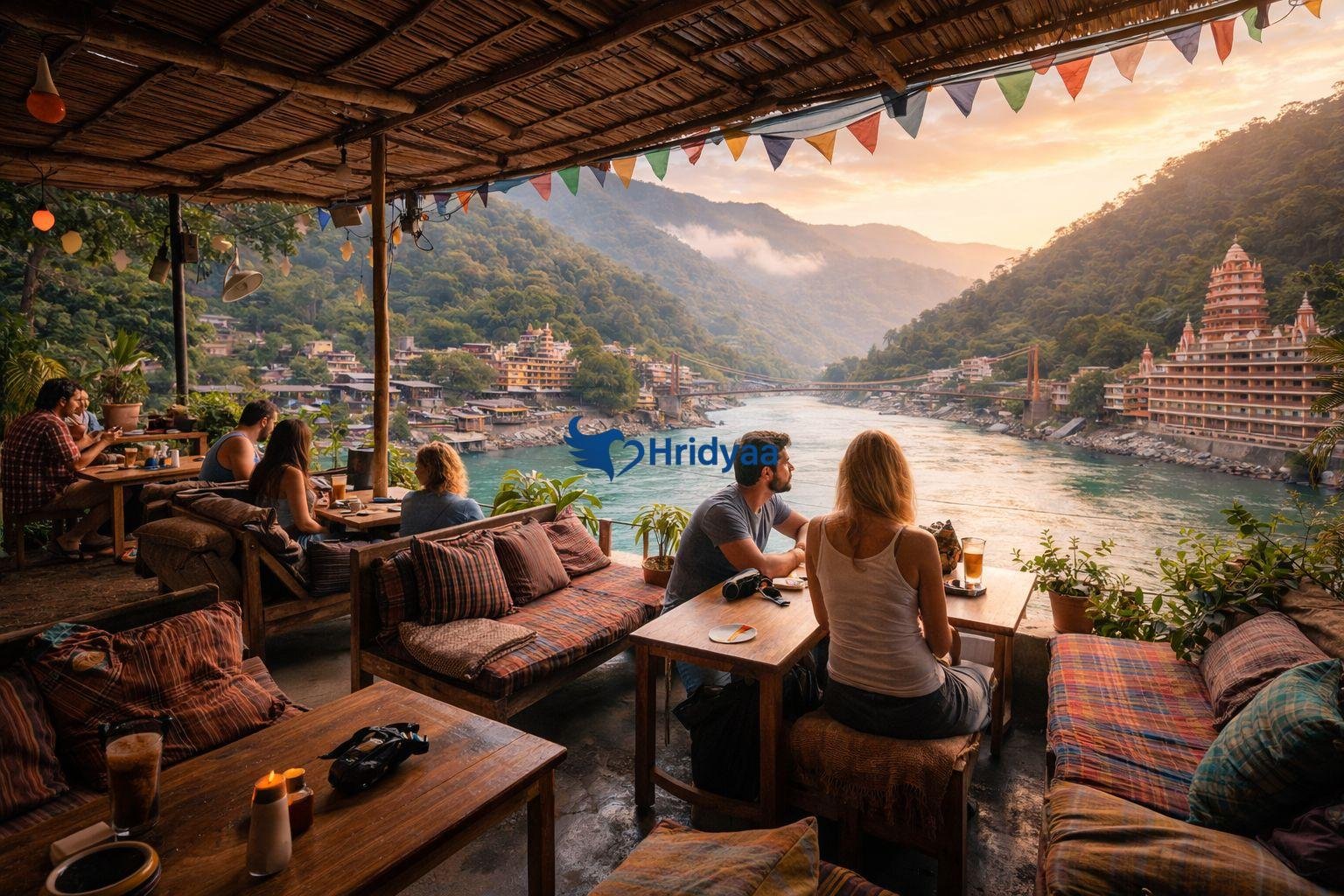
Tapovan is one of the most popular areas to stay in Rishikesh, especially for first-time visitors. It has a youthful energy with yoga schools, rooftop cafés, boutique hotels, and international travelers.
Most rafting operators and adventure activity pickup points are easily accessible from Tapovan. If you want everything within walking distance — food, shopping, river views, and activity booking centers — this area is convenient.
Tapovan works best for couples, solo travelers, and groups of friends looking for a balanced mix of comfort and vibrancy.
However, it can feel slightly crowded during peak weekends.
Lakshman Jhula Area – Scenic and Iconic
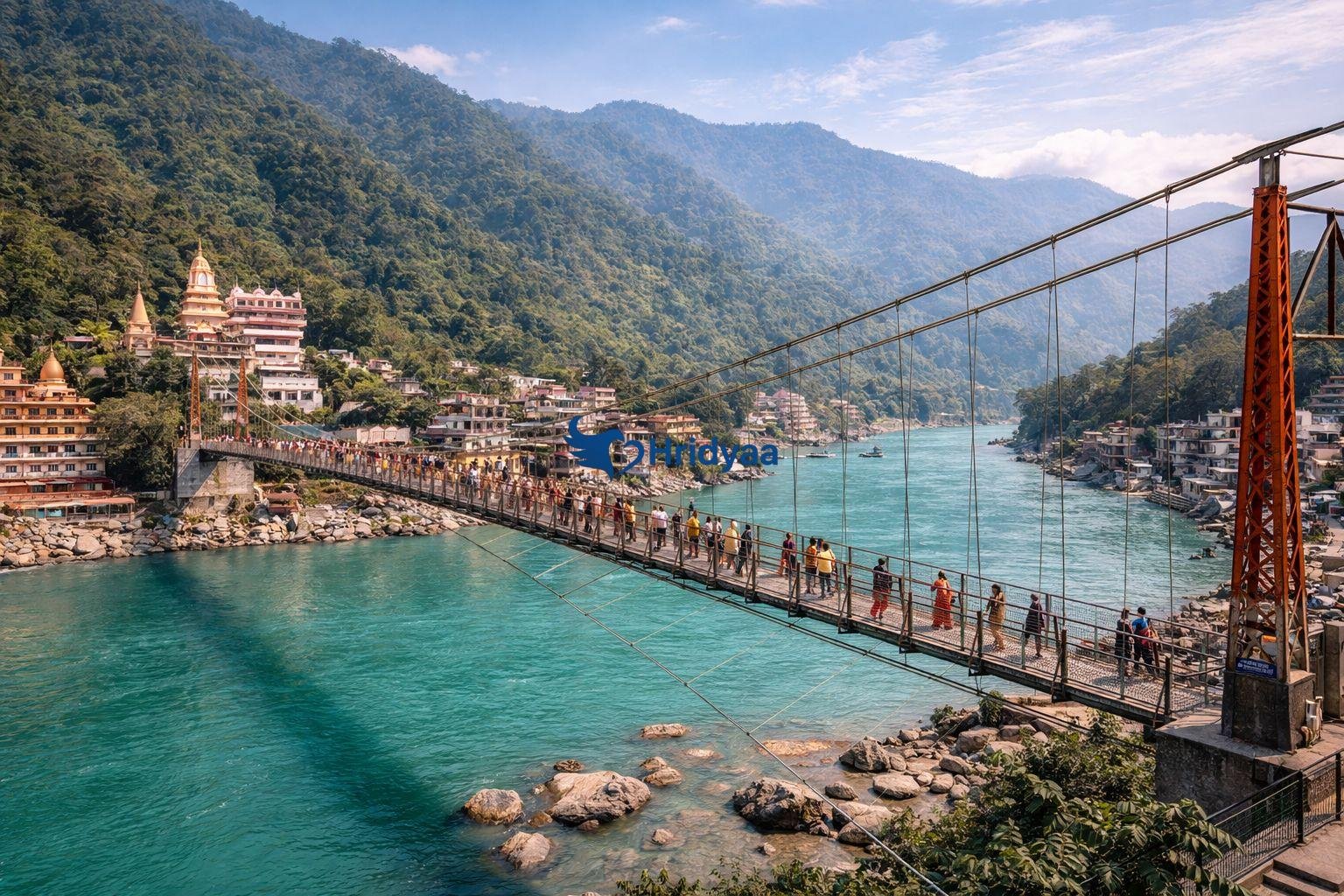
Even though Lakshman Jhula bridge is closed, the surrounding area remains attractive. The river views, small markets, and hillside guesthouses create a classic Rishikesh atmosphere.
This area feels slightly calmer than central Tapovan while still offering easy access to cafés and yoga centers. It is also home to the lively local marketplace — and if you want to explore it properly, you can check out our detailed Lakshman Jhula Market: Complete Shopping & Walking Guide in Rishikesh for shopping tips, walking routes, and what to expect.
If you want to stay close to the historic heart of Rishikesh, this location still holds strong appeal.
Ram Jhula & Swarg Ashram – Spiritual and Peaceful
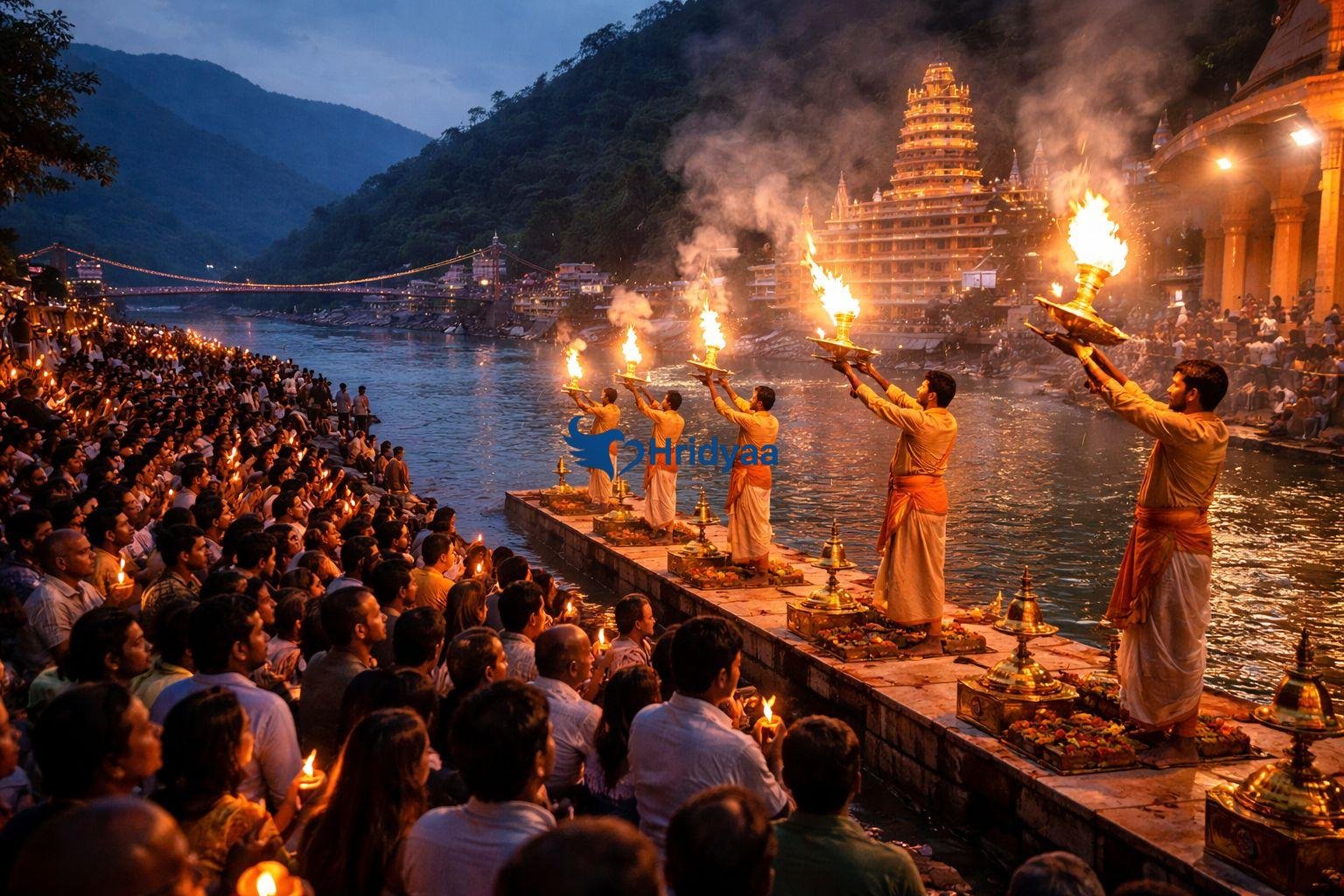
The Ram Jhula and Swarg Ashram side feels more traditional and spiritual. Ashrams, temples, and meditation centers dominate this zone.
It is quieter at night compared to Tapovan. Families and travelers seeking calm surroundings often prefer this area.
If your focus is yoga, meditation, or attending Ganga Aarti regularly, this location can feel more aligned with your purpose.
Shivpuri – Riverside Camps and Adventure Base
Shivpuri is slightly outside the main town and is known for riverside camps and rafting starting points.
If your primary reason for visiting Rishikesh is river rafting, staying in Shivpuri makes early morning departures easier. The area feels closer to nature, with less traffic and fewer commercial shops.
It is ideal for:
- Adventure groups
- College trips
- Corporate outings
- Camp-style experiences
However, it is less suitable if you want café hopping and market exploration at night.
Neelkanth Road – Scenic, Peaceful and Perfect for Camps
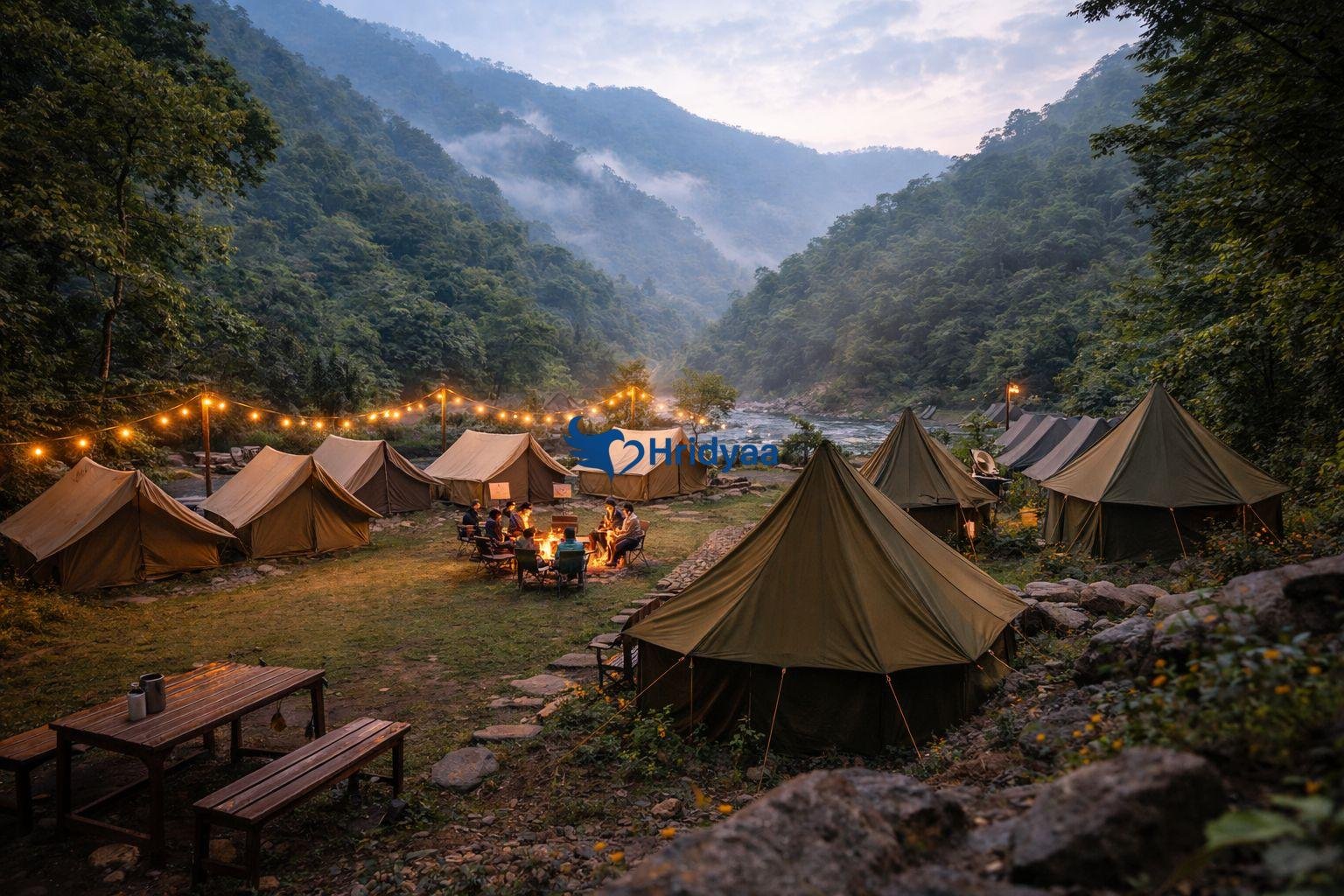
Neelkanth Road is one of the most underrated yet beautiful stretches to stay in Rishikesh.
This road connects Rishikesh to Neelkanth Mahadev Temple and passes through lush forest sections and river-facing spots. Many premium and budget camps are located along this road, offering a peaceful environment away from crowded town centers.
Staying on Neelkanth Road gives you:
• Fresh mountain air
• Forest surroundings
• Riverside camp experiences
• Easy access to rafting stretches
• Less traffic noise
For travelers who want nature-focused stays without being too far from adventure activities, Neelkanth Road is an excellent choice.
It works particularly well for couples seeking quiet surroundings and groups looking for scenic camp setups.
So, Which Area Should You Choose?
If you want walkability and café culture, choose Tapovan.
If you want traditional spiritual energy, choose Ram Jhula or Swarg Ashram.
If adventure and rafting are your priority, Shivpuri or Neelkanth Road are strong options.
If you want a balanced mix, Lakshman Jhula–Tapovan belt remains practical.
The best area depends on what kind of Rishikesh experience you want.
Where to Stay in Rishikesh – Hotels, Resorts, Boutique Stays & Camps
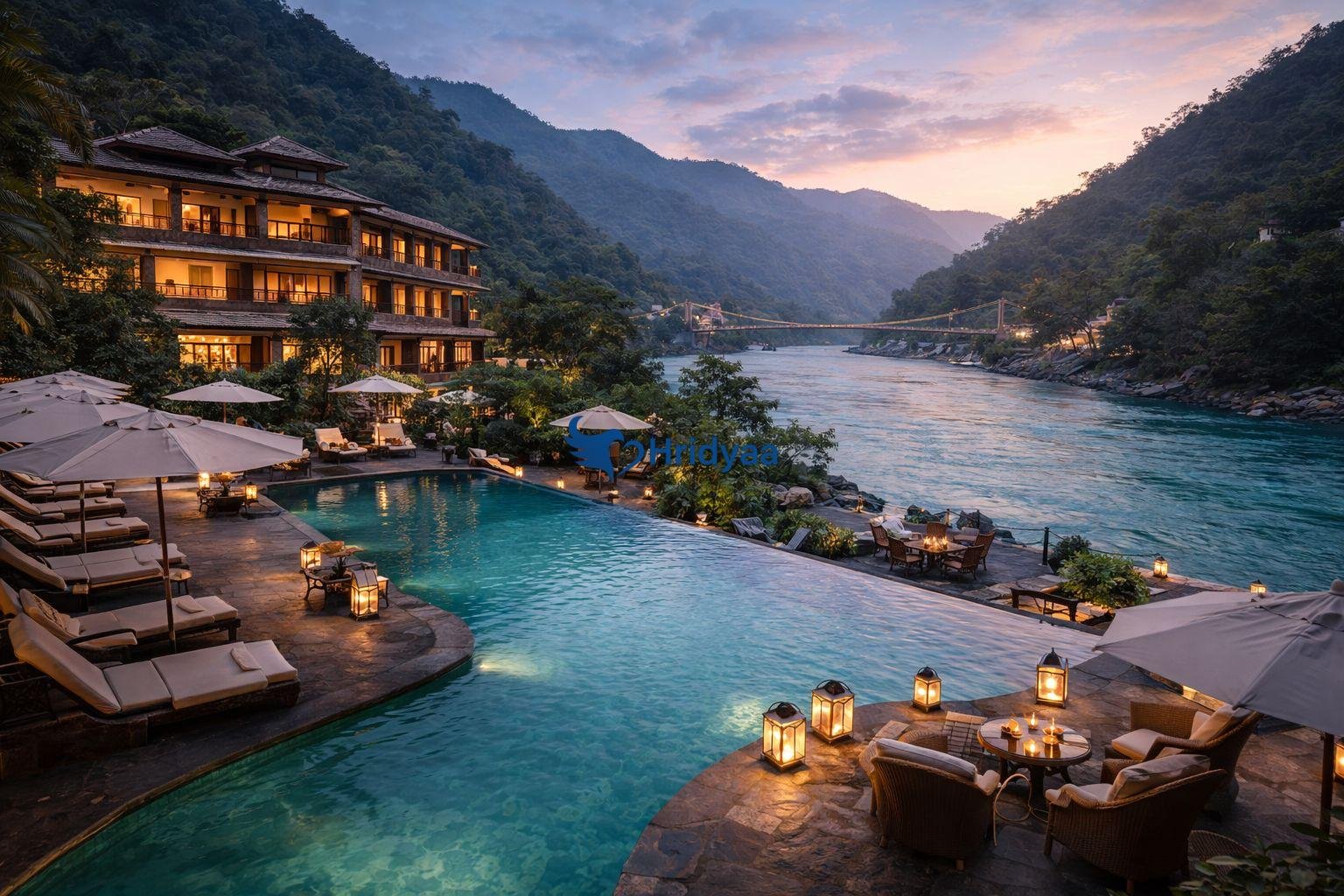
Rishikesh offers a wide range of accommodation options. From simple budget guesthouses to luxury riverside resorts, the type of stay you choose will shape your entire experience.
The key is not choosing the most expensive option — it is choosing the right type for your travel style.
If you are exploring camping options, you can browse our curated list of Cottages in Rishikesh to compare locations, inclusions, and pricing before booking.
Budget Hotels & Guesthouses – Practical and Comfortable
If you are planning a short trip or traveling with friends, budget hotels in Tapovan or near Lakshman Jhula are practical and convenient.
Most budget stays offer clean rooms, basic amenities, Wi-Fi, and easy access to cafes and rafting operators. They are ideal for travelers who plan to spend most of their time exploring rather than staying inside the hotel.
Budget options work well for:
- Backpackers
- College groups
- Short weekend trips
- Solo travelers
They keep your trip affordable while maintaining comfort.
Boutique Stays – Stylish and Experience-Focused
Boutique hotels in Rishikesh have grown significantly in recent years. These properties often feature modern interiors, rooftop cafés, mountain views, and thoughtfully designed rooms.
Many boutique stays are located in Tapovan and near Lakshman Jhula, offering a blend of comfort and character.
These are ideal for:
- Couples
- Remote workers
- Travelers celebrating special occasions
- People who value aesthetics and ambiance
Boutique stays offer a more curated experience without reaching luxury resort pricing.
Riverside Resorts – Relaxed and Premium
If you are looking for more privacy and space, riverside resorts are a strong option. These properties are usually located slightly away from crowded market areas and offer open landscapes, lawns, and direct river access.
Resorts are ideal for:
- Families
- Corporate groups
- Destination celebrations
- Longer stays
They provide a quieter environment while still keeping adventure activities accessible.
Camps in Rishikesh – Nature and Adventure Combined
Camping is one of the most popular stay experiences in Rishikesh.
Riverside camps in Shivpuri and along Neelkanth Road offer a completely different vibe. Instead of city-style rooms, you stay in tents surrounded by hills and river sounds.
Most camps include:
- Evening bonfire sessions
- Buffet meals
- Open sitting areas
- Group-friendly atmosphere
Camps are perfect for:
- Adventure groups
- College trips
- Team outings
- Travelers who want a nature-first experience
If rafting is your main focus, staying in a camp near the rafting starting point makes logistics easier.
Since camp locations and facilities vary significantly, it helps to review available camps in advance. You can explore our updated list of Rishikesh camping options to see what suits your travel style.
How to Choose the Right Stay
If this is your first visit and you want walkability, choose a hotel in Tapovan.
If you want peace and spiritual surroundings, look near Ram Jhula or Swarg Ashram.
If you are coming mainly for rafting and adventure, camps in Shivpuri or Neelkanth Road offer better proximity.
If you prefer comfort and quiet open spaces, a riverside resort will feel more relaxing.
The right choice depends on what you want your mornings and evenings to look like.
Top Things to Do in Rishikesh – Adventure, Spirituality & Local Experiences
Rishikesh is one of the few destinations where you can combine adventure, spirituality, and slow travel within the same day. Whether you are visiting for two days or five, there is always something meaningful to do.
Here are the experiences that define a Rishikesh trip.
River Rafting in the Ganga – The Signature Experience
If there is one activity that most travelers associate with Rishikesh, it is river rafting.
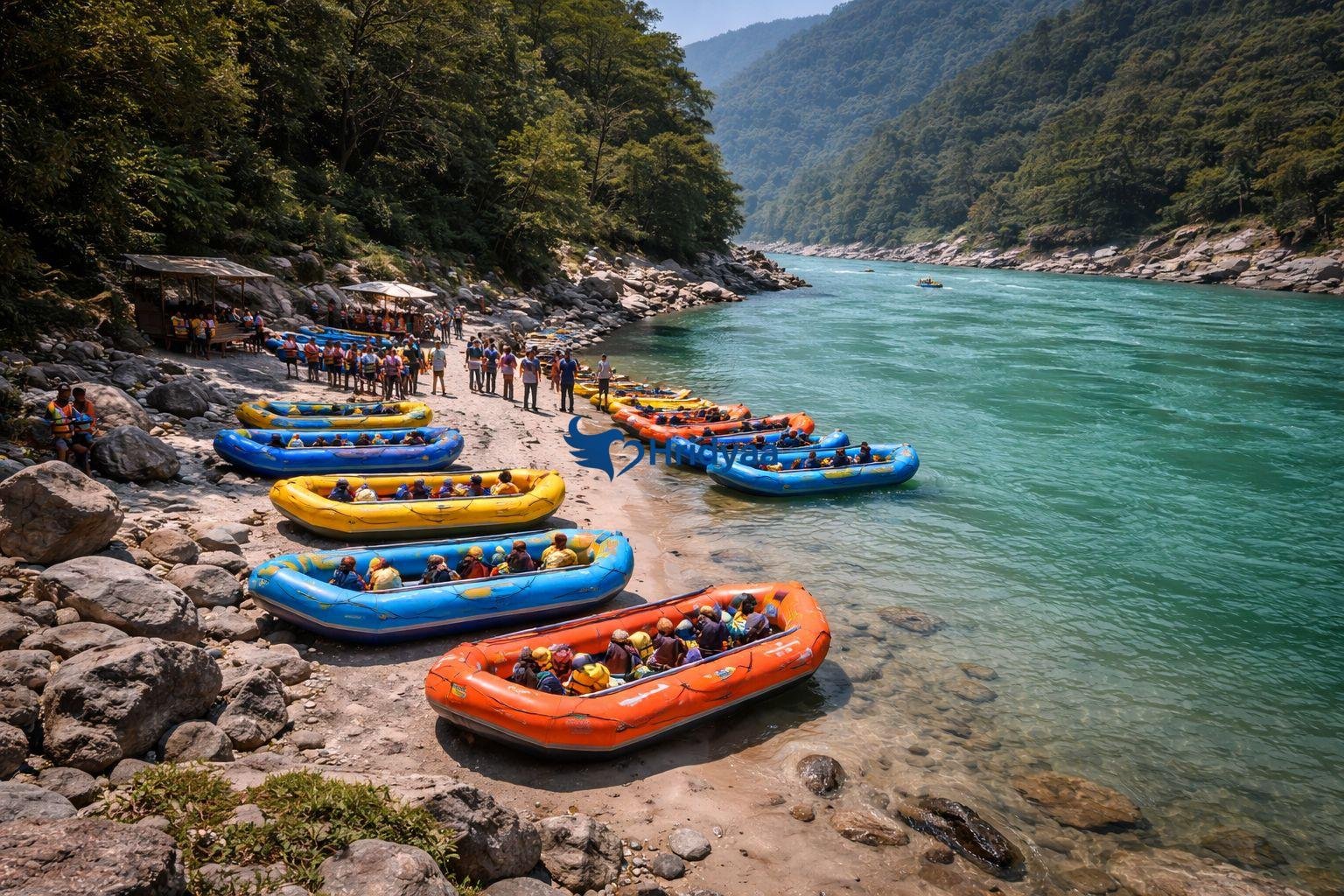
The rafting stretches range from beginner-friendly rapids to more thrilling sections for experienced participants. The most popular stretch runs from Shivpuri to Rishikesh and includes multiple Grade II and III rapids, making it exciting but manageable for first-timers.
Rafting usually takes 2–3 hours depending on the stretch. Many packages include cliff jumping and body surfing stops along the way.
It is suitable for:
- Friends and groups
- Adventure seekers
- First-time thrill travelers
- Team outings
If rafting is on your plan, staying closer to Shivpuri or Tapovan makes early pickups easier.
Bungee Jumping – For Adrenaline Lovers
Rishikesh is home to one of India’s most popular bungee jumping experiences. The jump height and safety standards attract thrill-seekers from across the country.
Even if you are not jumping, watching others take the leap is an experience in itself.
It is ideal for:
- Young travelers
- Friends’ trips
- Bucket-list experiences
Booking in advance during peak season is recommended.
Ganga Aarti – The Spiritual Evening Ritual
As the sun sets, the energy of Rishikesh shifts. The Ganga Aarti ceremony is one of the most peaceful experiences in the town.
Large aartis take place near Ram Jhula, while smaller ceremonies can be found near various ghats. The chanting, lamps, and river breeze create a calming atmosphere that feels deeply rooted in tradition.
Even if you are not spiritually inclined, attending at least one evening aarti adds emotional depth to your visit.
Explore the Café Culture in Tapovan
Tapovan has developed into a café hub over the years. Rooftop cafés with mountain views, riverside seating, live music evenings, and global menus make this area lively.
Many travelers enjoy spending slow mornings here with coffee and river views before heading out for activities.
If you enjoy relaxed exploration, Tapovan offers:
- Vegetarian global cuisine
- Organic cafés
- Sunset viewpoints
- Small boutique shops
It adds a modern touch to the otherwise spiritual setting.
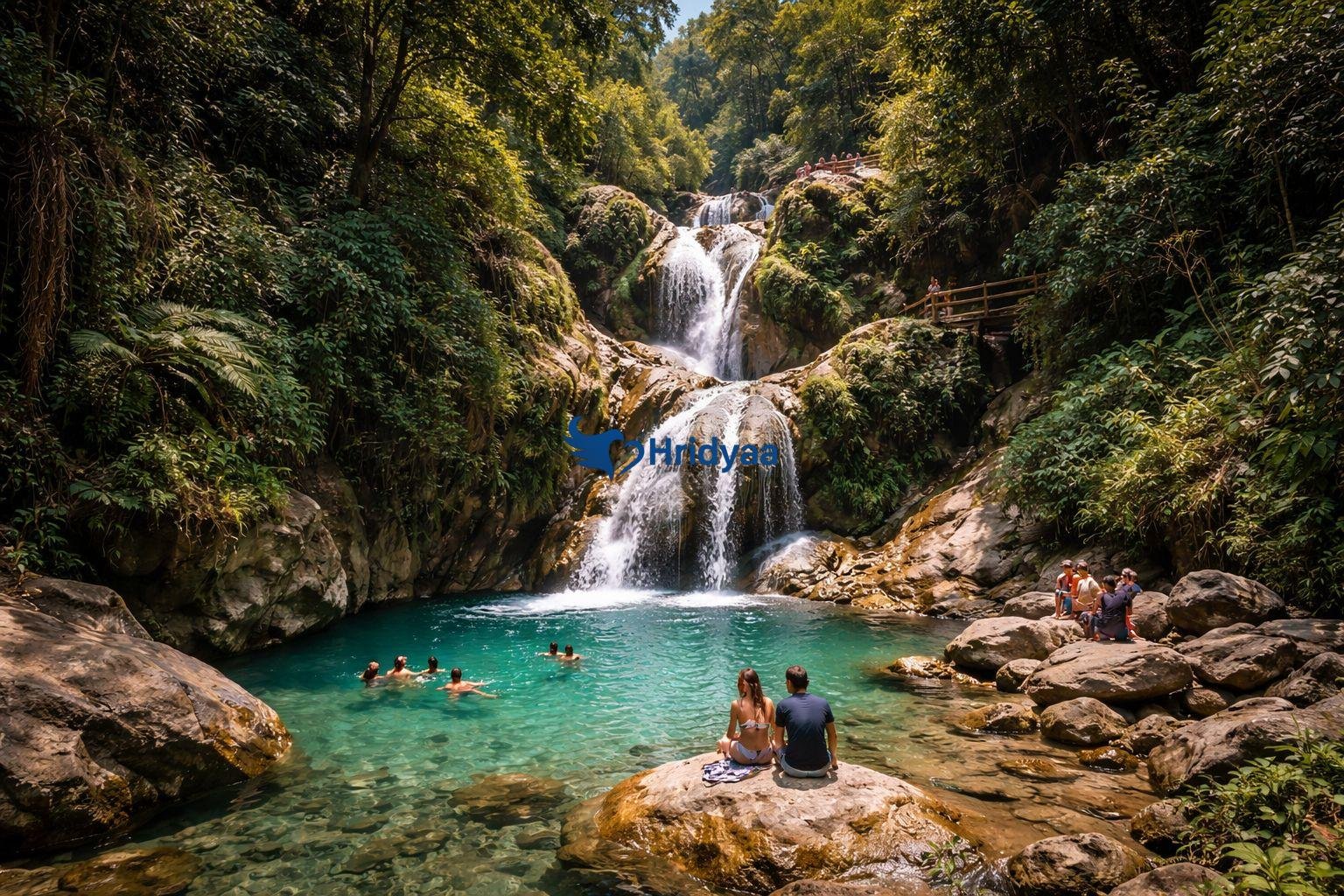
Visit Neer Garh Waterfall
A short drive from Lakshman Jhula, Neer Garh Waterfall is a refreshing nature escape. A short uphill walk leads you to cascading water pools where visitors often relax.
It is best visited in the morning when it is less crowded.
This activity works well for:
- Families
- Couples
- Nature lovers
It provides a break from the town’s activity.
Yoga and Meditation Sessions
Rishikesh is known globally as the Yoga Capital of the World. You will find yoga schools and short-term classes throughout Tapovan and Ram Jhula areas.
Even if you are not joining a full retreat, attending a drop-in yoga class can be a grounding experience.
Morning sessions with a river backdrop feel especially memorable.
Suspension Bridges & River Walks
While Lakshman Jhula remains closed, you can still walk across Ram Jhula, which offers similar scenic views of the Ganga and surrounding hills.
Riverbank walks during early morning or sunset are simple but beautiful experiences that require no booking — just time.
Rishikesh works best when you balance activity and stillness. One day of adventure followed by a slower day of exploration creates the ideal rhythm.
Adventure Activities in Rishikesh – Cost, Age Limits & Safety Guide
Adventure is one of the biggest reasons people visit Rishikesh. But before booking, most travelers want clarity about safety, pricing, and eligibility.
Here is what you should know before planning your activities.
River Rafting in Rishikesh
River rafting is the most popular adventure activity here. The rafting stretches are divided based on starting points, and the length of your ride depends on the stretch you choose.
Common rafting routes include:
- Shivpuri to Rishikesh (most popular)
- Marine Drive to Rishikesh (Advanced)
- Phoolchatti to Rishikesh (beginner-friendly)
- Kaudiyala to Rishikesh (Pro Only)
The Shivpuri stretch is ideal for first-timers who want excitement without extreme difficulty.
Rafting Cost
Rafting prices usually depend on the stretch length and season. On average, costs range between budget-friendly to moderate per person.
Peak season weekends may have slightly higher rates, so booking in advance is always recommended.
Minimum Age for Rafting
Most operators allow participants above 14 years of age. Younger children may only be allowed on shorter, calmer stretches.
Always check age and weight guidelines before confirming your booking.
Is Rafting Safe?
Yes, rafting in Rishikesh is generally safe when conducted by certified operators. Safety gear such as life jackets and helmets are mandatory. Guides provide instructions before the activity begins.
However, rafting is usually suspended during peak monsoon months due to high water levels.
If you follow instructions and choose authorized operators, rafting is a well-managed adventure.
Bungee Jumping in Rishikesh
Bungee jumping is another high-adrenaline experience that attracts thrill-seekers.
The jump height is significant, making it one of the tallest fixed platform jumps in India.
Cost of Bungee Jumping
The price is higher compared to rafting because of equipment, safety setup, and infrastructure involved.
It is recommended to pre-book during weekends and holiday seasons.
Age & Weight Criteria
Participants usually need to meet minimum age and weight requirements. These standards ensure safety and proper harness fitting.
Is Bungee Jumping Safe?
Yes, safety protocols are strict. Equipment is regularly inspected, and trained professionals supervise the activity.
If you have medical conditions like heart issues or severe back problems, it is advisable to consult before participating.
Zipline & Giant Swing
For those who want adventure but feel unsure about bungee jumping, zipline and giant swing activities offer a slightly less intense alternative.
They provide a thrilling experience while feeling more controlled.
These activities are popular among groups and corporate teams.
Which Adventure Activity Should You Choose?
If it is your first visit and you want a balanced thrill, rafting is the best starting point.
If you enjoy high-adrenaline experiences, bungee jumping offers a memorable rush.
If you prefer something moderate, zipline is a comfortable middle ground.
Adventure in Rishikesh is designed to be accessible, but always choose what matches your comfort level.
Is Rishikesh Safe for Tourists?
For most travelers, Rishikesh is considered a safe destination, especially compared to larger metropolitan cities.
The town has a strong spiritual foundation, strict alcohol regulations in many zones, and a predominantly vegetarian environment. This naturally keeps the overall atmosphere calmer than typical tourist cities.
However, like any travel destination, safety also depends on awareness and responsible planning.
Is Rishikesh Safe for Families?
Yes, Rishikesh is generally safe for families.
Areas like Tapovan, Ram Jhula, and Swarg Ashram are pedestrian-friendly and filled with tourists throughout the day. Most hotels and resorts maintain good security standards.
If traveling with children, avoid overcrowded weekend rafting slots and choose beginner-friendly stretches. Also, supervise children near riverbanks, as the Ganga current can be strong.
Family-friendly stays in quieter areas like Shivpuri or Neelkanth Road often provide more open space and controlled environments.
Is Rishikesh Safe for Solo Female Travelers?
Rishikesh is one of the more comfortable destinations in North India for solo female travelers, especially those visiting for yoga or wellness retreats.
The presence of international travelers, yoga communities, and spiritual institutions creates a respectful environment in most areas.
Basic travel precautions should still apply:
Avoid isolated areas late at night.
Use verified transport services.
Choose well-reviewed accommodations.
Tapovan and Ram Jhula areas usually remain active until evening hours, making them relatively safe zones for walking.
Is It Safe to Go for Rafting or Adventure Activities?
Yes, when booked through authorized operators.
Licensed rafting companies follow safety guidelines, provide helmets and life jackets, and conduct briefings before starting. Always listen to instructions and avoid unofficial operators offering extremely low prices.
Adventure activities are suspended during heavy monsoon conditions for safety reasons.
Is It Safe to Swim in the Ganga?
Swimming independently in the Ganga is not recommended. The river current can be unpredictable.
If you want a water experience, choose organized rafting or designated shallow areas under supervision.
Night Safety in Rishikesh
Rishikesh is not a nightlife-heavy destination. Most markets and cafes close by late evening. This actually contributes to overall safety.
Staying in well-lit areas and avoiding deserted stretches after dark is advisable, especially if you are unfamiliar with the surroundings.
Overall, Rishikesh offers a peaceful and relatively secure environment for travelers who plan responsibly.
How to Reach Rishikesh – Transportation Guide
One of the biggest advantages of Rishikesh is accessibility. It is close enough to major cities yet feels like a proper mountain escape.
Here’s how you can reach Rishikesh.
By Road – The Most Popular Option
Traveling to Rishikesh by road is the most convenient choice, especially from Delhi and nearby cities.
The distance from Delhi to Rishikesh is approximately 240–250 kilometers. The drive usually takes 5 to 6 hours, depending on traffic conditions.
Many travelers prefer self-driving or hiring a cab because it allows flexibility in timing. The highway route is smooth for most of the journey, and the final stretch gradually transitions into scenic hill roads.
Weekend traffic can be heavy, especially during peak tourist season, so early morning departures are recommended.
By Train – Budget-Friendly and Reliable
Rishikesh has a small railway station, but most major trains connect to Haridwar, which is about 25 kilometers away.
From Haridwar, you can easily take a taxi or auto to reach Rishikesh within 45–60 minutes.
Train travel works well for:
- Budget travelers
- Solo travelers
- Students
It avoids highway traffic and can be more predictable during busy seasons.
By Air – Nearest Airport
The nearest airport to Rishikesh is Jolly Grant Airport in Dehradun, located about 20 kilometers away.
From the airport, taxis are easily available, and the drive to Rishikesh usually takes 30–40 minutes.
This is the fastest option for travelers coming from distant cities like Mumbai, Bangalore, or international destinations.
Local Transportation in Rishikesh
Once you arrive, moving around Rishikesh is relatively simple.
Auto-rickshaws and shared taxis are available in main areas. Many travelers also rent scooters to explore nearby waterfalls and surrounding stretches comfortably.
If you stay in Tapovan or near Ram Jhula, many local attractions are within walking distance.
Rishikesh is easy to reach and easy to explore, which makes it ideal for both short weekend trips and longer retreats.
How Much Does a Rishikesh Trip Cost? (Approximate Budget Guide)
The cost of a Rishikesh trip depends on your travel style, the type of stay you choose, and the activities you plan to include.
The good news is that Rishikesh can fit almost every budget — from affordable backpacker trips to premium riverside getaways.
Let’s break it down realistically.
Budget Trip (₹4,000 – ₹8,000 per person for 2–3 days)
A budget-friendly Rishikesh trip is very possible.
If you choose a clean guesthouse or budget hotel, travel by train or shared cab, and book a standard rafting package, your expenses remain controlled.
Typical budget breakdown may include:
- Budget stay for 2 nights
- One rafting session
- Local transport
- Meals at cafés
This style works best for students, solo travelers, and short weekend trips.
Mid-Range Trip (₹8,000 – ₹18,000 per person for 2–3 days)
A mid-range trip offers better comfort without becoming expensive.
You can stay in boutique hotels in Tapovan, enjoy better dining options, book rafting plus one adventure activity, and travel comfortably by private cab or flight.
This is the most common choice for:
- Couples
- Working professionals
- Small families
It balances experience and comfort.
Premium Experience (₹20,000+ per person)
If you prefer riverside resorts, private transport, premium adventure packages, and a slower pace, your budget will naturally increase.
Premium stays often include:
- Spacious rooms
- Scenic surroundings
- Resort amenities
- Peaceful environments away from traffic
This style suits longer stays, celebrations, and corporate retreats.
Is Rishikesh Expensive?
Compared to many tourist destinations, Rishikesh is not expensive. It offers flexibility.
You can control your budget by:
- Choosing the right area
- Booking activities in advance
- Traveling during off-peak seasons
Because of its range of accommodation types — from camps to resorts — it is possible to plan a trip without financial stress.
What to Pack for Rishikesh
Packing for Rishikesh depends largely on the season and the type of activities you plan to do. Since the town blends adventure and spirituality, your clothing should be comfortable, modest, and practical.
Here’s how to pack smartly.
Clothing Essentials
Light, breathable clothes work best for most months. If you are visiting between October and March, carry a light jacket or sweater for cooler evenings.
Comfortable walking shoes are important, especially if you plan to explore cafés, waterfalls, or riverbanks. Slippers or sandals are useful for river activities and casual outings.
If you are planning river rafting, quick-dry clothes are ideal. Avoid heavy fabrics like denim for rafting sessions. Carry an extra set of clothes and a towel for after the activity.
For temple visits and ashram areas, modest dressing is appreciated. Avoid overly revealing outfits out of respect for local culture.
Adventure Essentials
If rafting or bungee jumping is part of your plan, bring:
- Comfortable sportswear
- Secure footwear
- Hair ties (for long hair)
- Minimal jewelry
Most operators provide helmets and safety gear, but carrying your own sunscreen and sunglasses is advisable.
Health & Personal Care
Carry sunscreen, especially during summer months. The river reflection and open sky can make sun exposure stronger than expected.
A small personal first-aid kit, essential medications, and insect repellent are useful, particularly if staying in camps near Shivpuri or Neelkanth Road.
Travel Documents & Digital Essentials
Keep digital copies of ID proofs. Many hotels require valid identification at check-in.
Carry power banks if you plan full-day outdoor activities. Network connectivity is generally good in main areas but can fluctuate in remote stretches.
Seasonal Reminder
In winter, evenings can feel colder than expected near the river. Carry layered clothing.
During monsoon, a light rain jacket and waterproof footwear help.
Packing thoughtfully makes your Rishikesh trip smoother and more comfortable.
Frequently Asked Questions About Rishikesh Travel
Is Rishikesh worth visiting?
Yes, especially if you enjoy nature, adventure, and peaceful surroundings. Rishikesh is not a party-heavy destination, but it offers river rafting, yoga, mountain views, cafés, and spiritual experiences in one place. For a short, refreshing escape from city life, it works extremely well.
How many days are enough for Rishikesh?
For most first-time visitors, three days are ideal. Two days feel slightly rushed, while four or five days allow a slower, more relaxed experience. If you’re coming mainly for rafting and sightseeing, a long weekend is enough.
What is the best time to visit Rishikesh?
October to March is generally the most comfortable season. The weather is pleasant, rafting operates regularly, and outdoor exploration feels enjoyable. Summer is warmer but still manageable. Monsoon is greener but rafting may be suspended during heavy rainfall.
Is Rishikesh safe for families?
Yes, Rishikesh is considered safe for families. It has a calm atmosphere, strict alcohol regulations in many areas, and strong tourist presence. Just supervise children near the river and choose beginner-friendly adventure activities.
Is Rishikesh safe for solo female travelers?
Many solo female travelers visit Rishikesh comfortably, especially for yoga retreats. Stick to well-known areas like Tapovan or Ram Jhula, avoid isolated stretches late at night, and choose verified accommodations.
Is alcohol allowed in Rishikesh?
Rishikesh is officially a vegetarian and alcohol-restricted town. Most central areas do not serve alcohol. If nightlife and party culture are your priority, this may not be the right destination. Rishikesh is more about calm and connection.
Can beginners do river rafting in Rishikesh?
Yes. Several rafting stretches are suitable for beginners. Trained guides provide instructions, and safety equipment is mandatory. If you are nervous, choose shorter and calmer stretches like Brahmapuri.
What is the minimum age for rafting in Rishikesh?
Usually, participants must be above 14 years old for most stretches. Younger children may be allowed only on very short and calm routes. Always confirm with the operator before booking.
Where should I stay in Rishikesh for the first time?
Tapovan is a great choice for first-time visitors because it offers walkability, cafés, activity access, and multiple stay options. If you prefer quieter surroundings, Shivpuri or Neelkanth Road camps are good alternatives.
Is Rishikesh expensive?
Not necessarily. Rishikesh can fit almost every budget. You can plan a simple trip affordably, or choose premium riverside resorts if you prefer comfort. The total cost depends on your stay type and activities.
Is one day enough for Rishikesh?
One day feels very short. You can see the highlights, but you won’t experience the place properly. If possible, stay at least two nights to enjoy rafting, river walks, and evening aarti without rushing.
Are there good cafes in Rishikesh?
Yes, especially in Tapovan. You will find rooftop cafés, organic food spots, and global vegetarian menus. Café hopping is actually one of the most relaxing things to do here.
Is Rishikesh good for a couple’s trip?
Yes, especially if you enjoy peaceful settings, mountain views, and meaningful experiences. Boutique stays and riverside resorts offer a romantic and calm environment.
Can we swim in the Ganga in Rishikesh?
Swimming freely in the Ganga is not recommended due to strong currents. If you want a water experience, rafting or supervised shallow areas are safer options.
What makes Rishikesh different from other hill stations?
Most hill stations offer scenery. Rishikesh offers scenery plus adventure, spirituality, yoga culture, and a unique calm energy. It feels purposeful rather than just touristic.
Is Rishikesh crowded?
Weekends and peak seasons can be busy, especially in Tapovan. Weekdays are noticeably calmer. Choosing the right stay area also makes a difference.
Final Thoughts on Planning Your Rishikesh Trip
Rishikesh is not a destination that needs to be rushed. Whether you are coming for rafting, yoga, a peaceful weekend, or simply a change of scenery, the town offers a balance that feels both energizing and grounding.
The key to enjoying Rishikesh is choosing the right stay, planning your activities realistically, and allowing time to experience the river and mountains at your own pace.
Some travelers come for adventure and discover calm. Others come for calm and end up trying adventure. That flexibility is what makes Rishikesh special.
If you plan thoughtfully, pick the right area to stay, and align your itinerary with your travel style, your trip to Rishikesh can feel both refreshing and meaningful.
Take your time, choose wisely, and let the river set the rhythm.


Join The Discussion