
Rishikesh rafting is not just an adventure activity—it is an experience shaped by the Himalayas, the River Ganga, and decades of river culture. When people search for river rafting Rishikesh or rafting in Rishikesh, they are looking for more than a thrill. They want safety, excitement, scenic beauty, and reliable information.
Rishikesh is the most popular river rafting destination in India because it offers something for everyone. From calm stretches ideal for first-time rafters to powerful Grade IV rapids that challenge experienced adventurers, river rafting in Rishikesh covers the complete spectrum. Add to this the spiritual environment, forested riverbanks, and well-regulated rafting ecosystem, and Rishikesh becomes unmatched.
This guide is designed to be a complete A–Z resource on rafting in Rishikesh. Whether you are planning your first rafting trip or comparing routes, rapids, seasons, prices, and safety standards, everything you need is explained clearly in one place.
What Is River Rafting? (For First-Time Rafters)
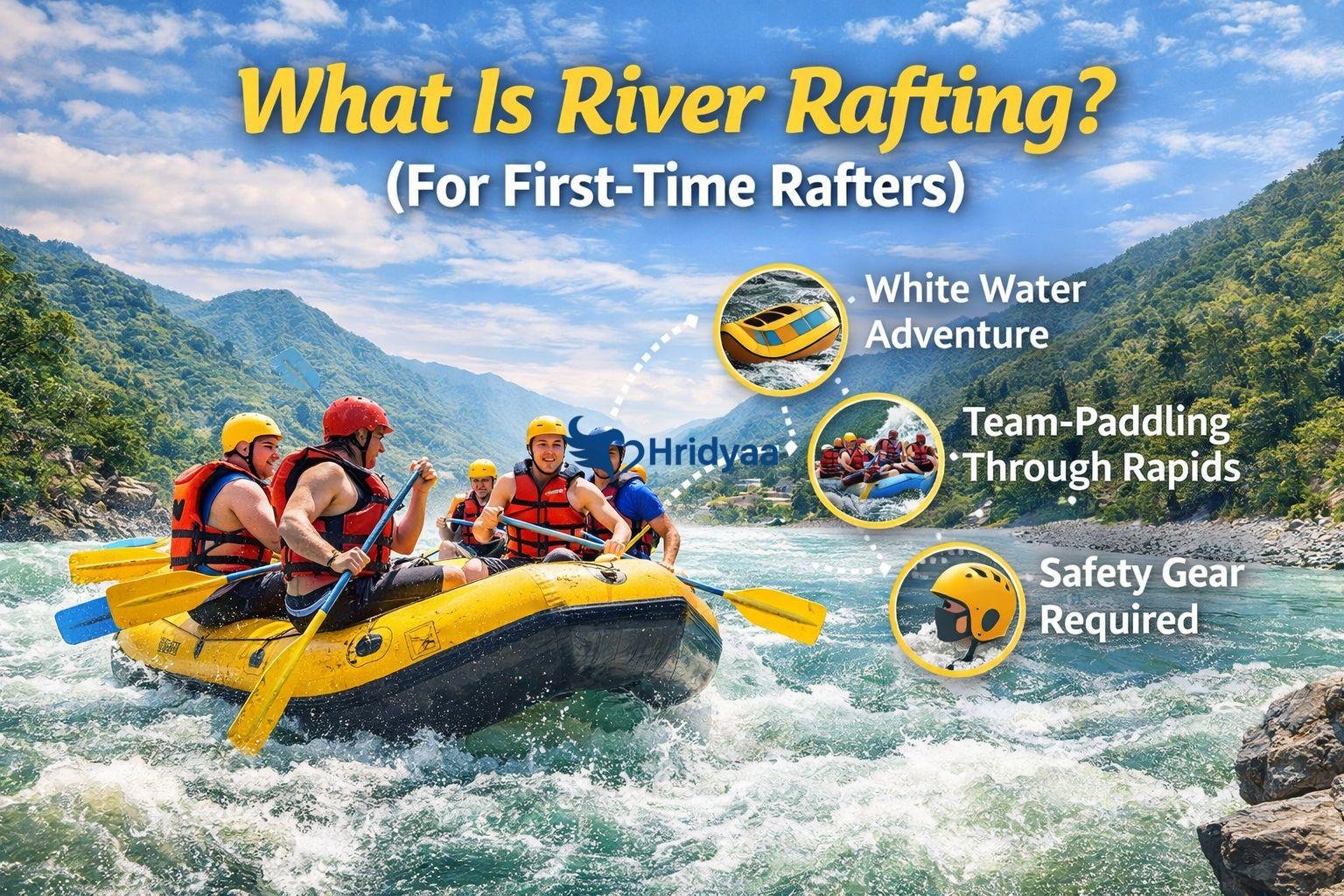
River rafting is an adventure sport where people sit inside an inflatable raft and paddle together through flowing river water under the guidance of a trained river guide. The excitement comes from navigating natural river rapids—sections where the water moves fast, creates waves, drops, and swirling currents.
In Rishikesh, rafting is done on the River Ganga, which flows down from the Himalayas. The river here has natural gradients, making it perfect for white-water rafting. A typical rafting trip includes a safety briefing, paddling instructions, river navigation, and sometimes cliff jumping or body surfing at safe spots.
Unlike artificial rafting setups, river rafting in Rishikesh happens in a natural Himalayan river, which is why it is respected worldwide among rafting enthusiasts.
Why River Rafting in Rishikesh Is Truly Unique
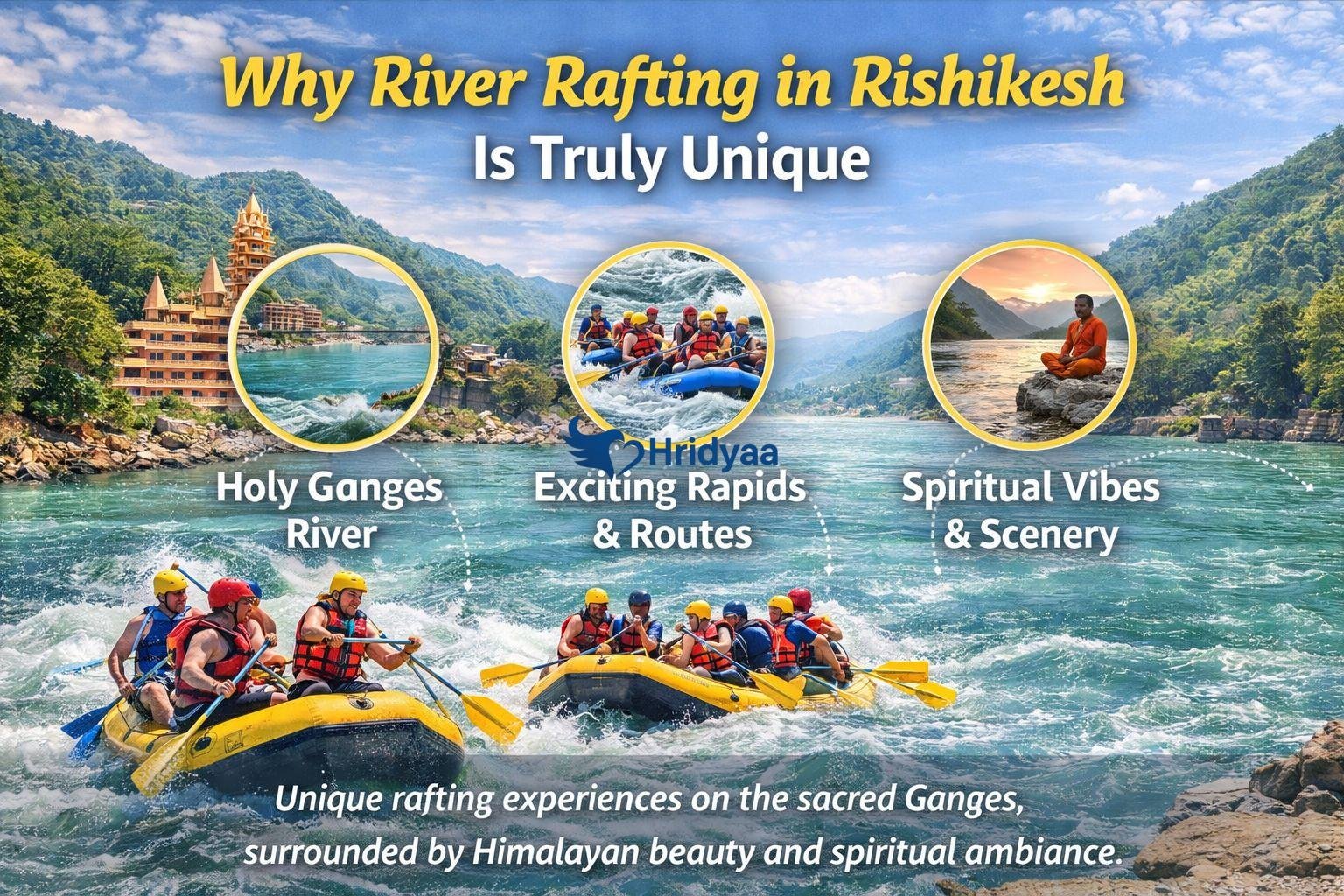
Many places offer rafting, but rafting in Rishikesh stands apart for several important reasons.
First, the River Ganga here is fed by Himalayan glaciers. This creates consistent flow, natural rapids, and clean water conditions suitable for rafting most of the year. Second, Rishikesh offers long rafting stretches, going up to 34 kilometers, which is rare in India.
Another major reason is regulation. Rafting in Rishikesh operates under safety norms defined by Uttarakhand tourism authorities. Certified guides, safety equipment, fixed rafting routes, and seasonal monitoring ensure that adventure does not come at the cost of safety.
Finally, Rishikesh combines adventure with nature and spirituality. You raft past forested hills, sandy river beaches, ashrams, and suspension bridges. This mix is exactly why Rishikesh rafting attracts both Indian and international travelers.
Rafting Stretches in Rishikesh (Routes Explained Clearly)
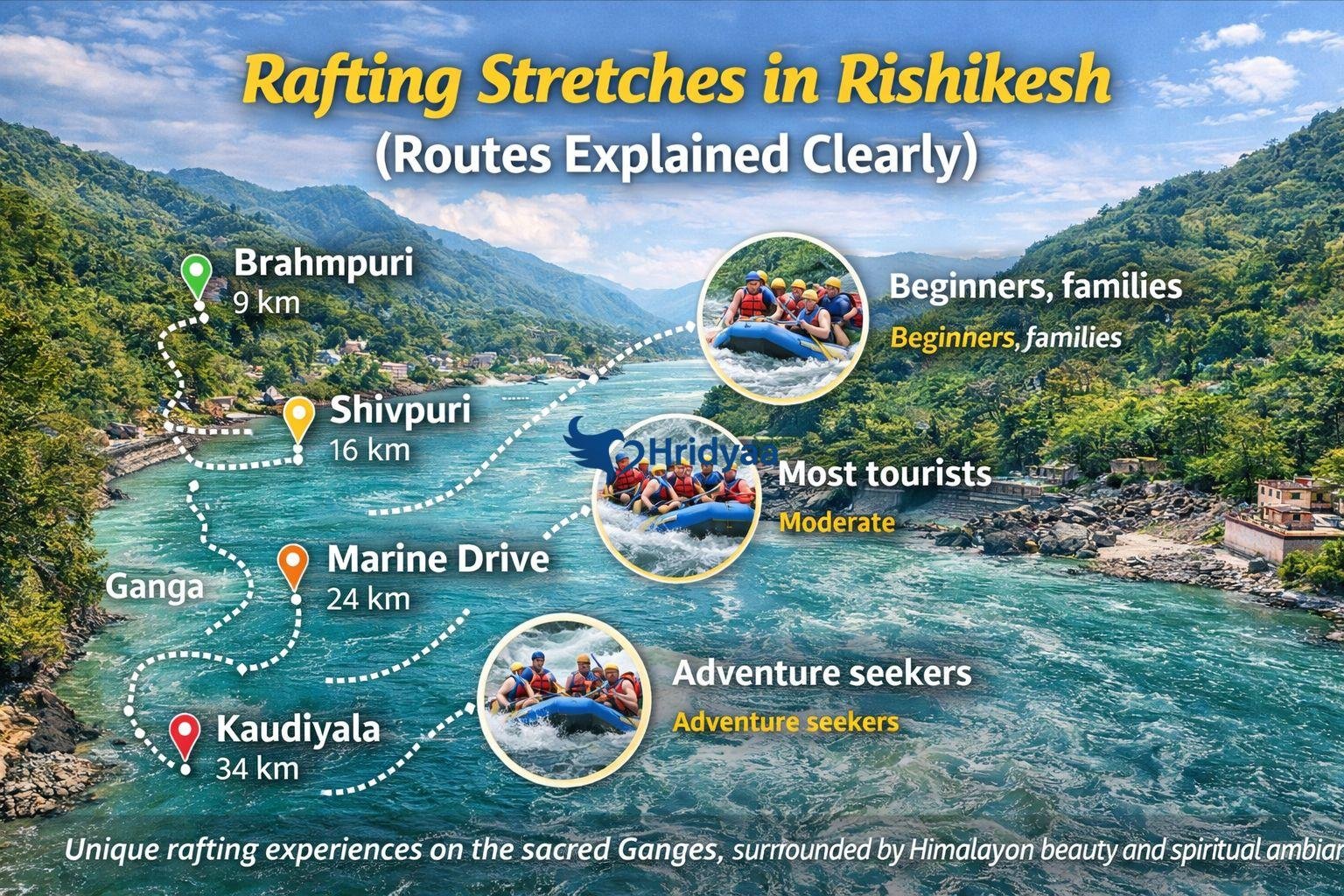
One of the most important things to understand before planning river rafting in Rishikesh is the rafting stretch. The stretch decides the distance, difficulty, duration, and type of rapids you will encounter.
Main Rafting Routes in Rishikesh
| Starting Point | Ending Point | Distance | Difficulty Level | Best For |
|---|---|---|---|---|
| Brahmpuri | Rishikesh | 9 km | Easy (Grade I–II) | Beginners, families, first-timers |
| Shivpuri | Rishikesh | 16 km | Moderate (Grade II–III) | Most tourists, adventure seekers |
| Marine Drive | Rishikesh | 24 km | Hard (Grade III–IV) | Experienced rafters |
| Kaudiyala | Rishikesh | 34 km | Very Hard (Grade IV) | Experts, thrill lovers |
The Phoolchatti to Rishikesh stretch is the easiest and best for first-time rafters, families, and those who want a light adventure.
The Shivpuri to Rishikesh route is the most popular rafting stretch in Rishikesh because it balances thrill and safety perfectly.
The Marine Drive and Kaudiyala stretches are longer, tougher, and designed for people who want serious white-water rafting.
Grades of Rapids Explained (Grade I to Grade IV+)
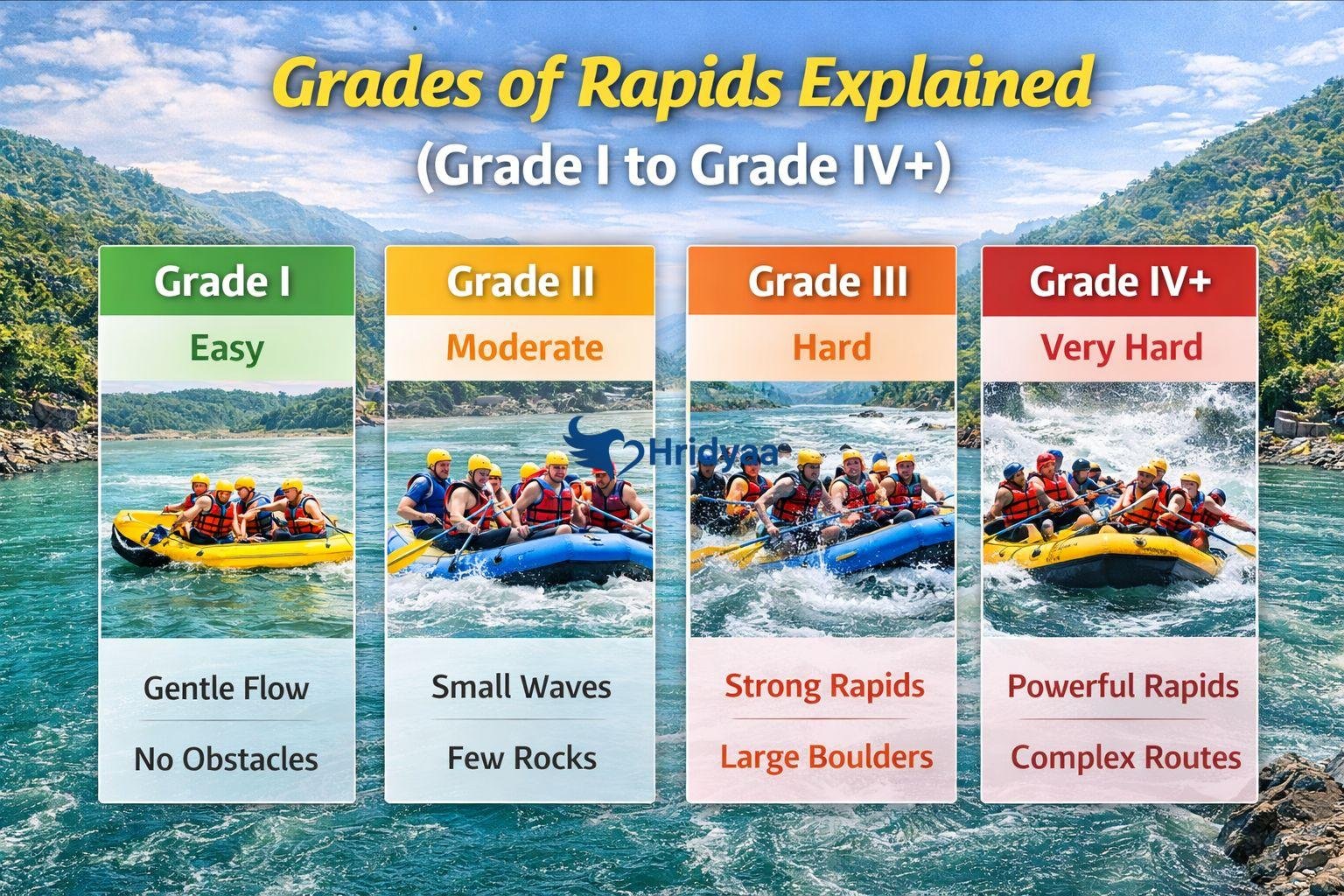
Rapids are categorized based on difficulty. Understanding this is crucial for choosing the right rafting route in Rishikesh.
- Grade I rapids are very easy with small waves and slow currents.
- Grade II rapids are slightly faster and more exciting but still safe for beginners.
- Grade III rapids have strong waves, narrow passages, and require active paddling.
- Grade III+ rapids are technical and demand good coordination.
- Grade IV rapids are powerful, fast, and only for experienced rafters.
River rafting in Rishikesh offers rapids from Grade I to Grade IV, making it suitable for almost every skill level when chosen correctly.
Famous Rapids in Rishikesh You Will Encounter
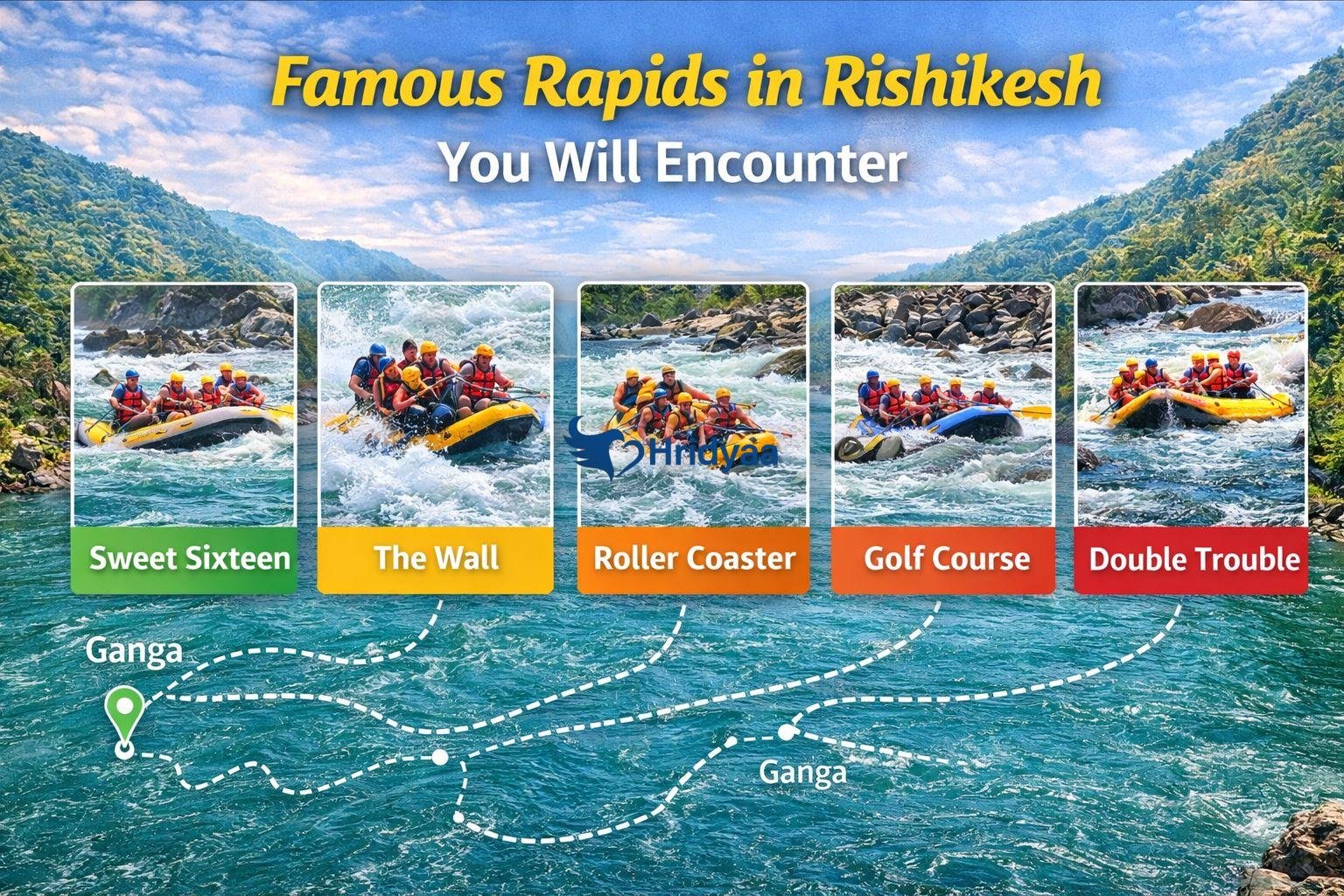
One of the reasons rafting in Rishikesh is so popular is the legendary rapids along the Ganga. Each rapid has its own character and challenge.
Major Rapids in Rishikesh
| Rapid Name | Rapid Grade | Rafting Stretch | What to Expect |
|---|---|---|---|
| Sweet Sixteen | Grade I | Brahmpuri | Gentle waves, perfect warm-up rapid |
| Initiation | Grade II | Shivpuri | First real splashy rapid for beginners |
| Club House | Grade III | Shivpuri | Fast waves, exciting and energetic |
| Golf Course | Grade III | Shivpuri | Long rapid with continuous wave trains |
| Cross Fire | Grade III+ | Marine Drive | Strong cross-currents, technical turns |
| Three Blind Mice | Grade III+ | Marine Drive | Narrow channels requiring precise paddling |
| The Great Wall | Grade III+ / IV | Kaudiyala | Massive wave hit, high adrenaline |
| Roller Coaster | Grade IV | Kaudiyala | Big drops and powerful waves |
| Daniel’s Dip | Grade IV | Kaudiyala | Deep drop with strong hydraulics |
Rapids like Club House and Golf Course are thrilling yet manageable, which is why they are loved by most tourists. The Great Wall and Roller Coaster are among the most powerful rapids in Rishikesh and are attempted only under safe water conditions with expert guides.
Types of Rafting Available in Rishikesh
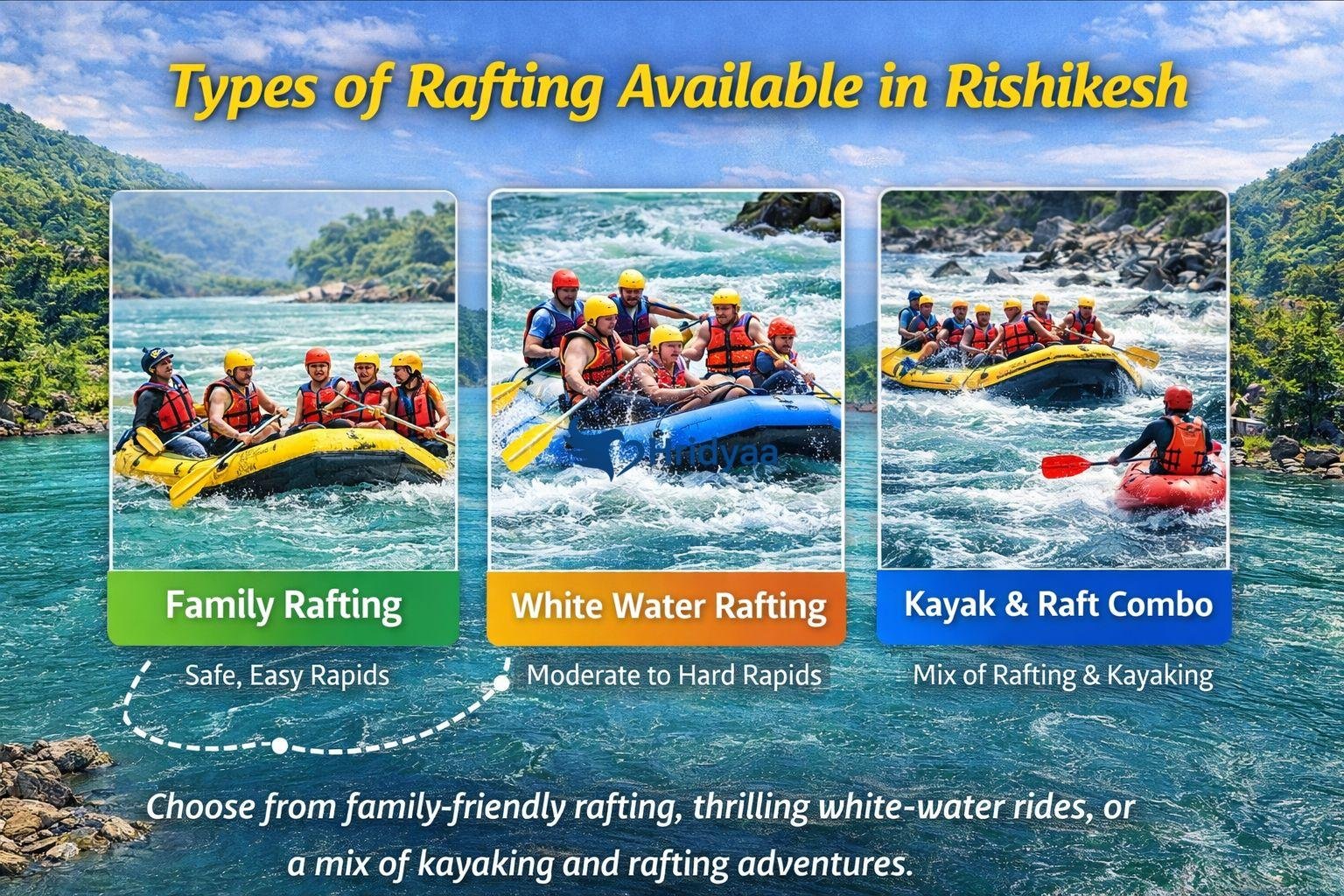
River rafting in Rishikesh is not one single activity. It is offered in different formats based on distance, difficulty, and experience level. Choosing the right type of rafting is important for both enjoyment and safety.
Short Rafting (Beginner-Friendly Rafting)
This is the easiest form of rafting in Rishikesh and is ideal for people trying river rafting for the first time. The route usually starts from Brahmpuri and ends near Rishikesh town.
The rapids on this stretch are gentle, and the focus is more on learning paddling techniques and enjoying the river scenery. Families, non-swimmers, and people with limited time usually prefer this option.
Standard Rafting (Most Popular Choice)
Standard rafting is the most booked river rafting experience in Rishikesh. This stretch usually starts from Shivpuri and ends near Ram Jhula or NIM Beach.
It offers a perfect balance of thrill and safety. You encounter famous rapids like Club House and Golf Course, which make the experience exciting without being overwhelming. For most tourists searching for “rafting in Rishikesh,” this is the ideal option.
Advanced Rafting (For Adventure Lovers)
Advanced rafting routes start from Marine Drive and cover longer distances with stronger rapids. This type of river rafting in Rishikesh involves continuous paddling and technical rapids.
It is suitable for people who already have some rafting experience or are physically fit and comfortable with intense water flow.
Full Stretch Rafting (Expert Level)
This is the longest and most challenging rafting experience in Rishikesh. The route usually starts from Kaudiyala and ends near Rishikesh town.
Full stretch rafting includes powerful rapids like The Great Wall, Roller Coaster, and Daniel’s Dip. This type of rafting is recommended only for experienced rafters and is conducted strictly under safe river conditions.
Multi-Day Rafting Expeditions
Multi-day rafting expeditions combine river rafting with overnight riverside camping. These trips last from two to five days and cover long stretches of the Ganga.
They are popular among international tourists and serious adventure enthusiasts who want a deep river experience rather than a short thrill.
Best Time for River Rafting in Rishikesh
The rafting season in Rishikesh is highly dependent on water level, weather, and government regulations.
In general, the best time for river rafting in Rishikesh is from late September to mid-June. During this period, the river flow is suitable, and all standard rafting stretches remain operational.
Rafting is completely closed during the peak monsoon months (July and August) due to very high water levels and safety risks.
Month-Wise Rafting Conditions in Rishikesh
| Month | River Flow & Weather | Rafting Status | Who Should Go |
|---|---|---|---|
| January | Low water, cold weather | Limited | Adventure lovers comfortable with cold |
| February | Low flow, cool temperatures | Limited | Budget travelers, beginners |
| March | Moderate flow, pleasant weather | Good | First-timers, families |
| April | Ideal flow, warm days | Best | All experience levels |
| May | High flow, exciting rapids | Very Good | Adventure seekers |
| June | Strong flow, peak thrill | Thrilling | Experienced rafters |
| July | Very high flow, monsoon rains | Closed | Rafting not permitted |
| August | Flood-prone conditions | Closed | Rafting not permitted |
| September | Stabilizing flow, fresh currents | Good | Adventure lovers |
| October | Stable flow, clear weather | Best | All travelers |
| November | Low flow, cooler days | Limited | Beginners, peaceful rafting |
| December | Low flow, cold water | Limited | Cold-weather adventurers |
Spring and early summer months are especially popular because the water is exciting yet controlled. September and October are also excellent months, offering pleasant weather and stable river conditions.
Safety Measures for River Rafting in Rishikesh
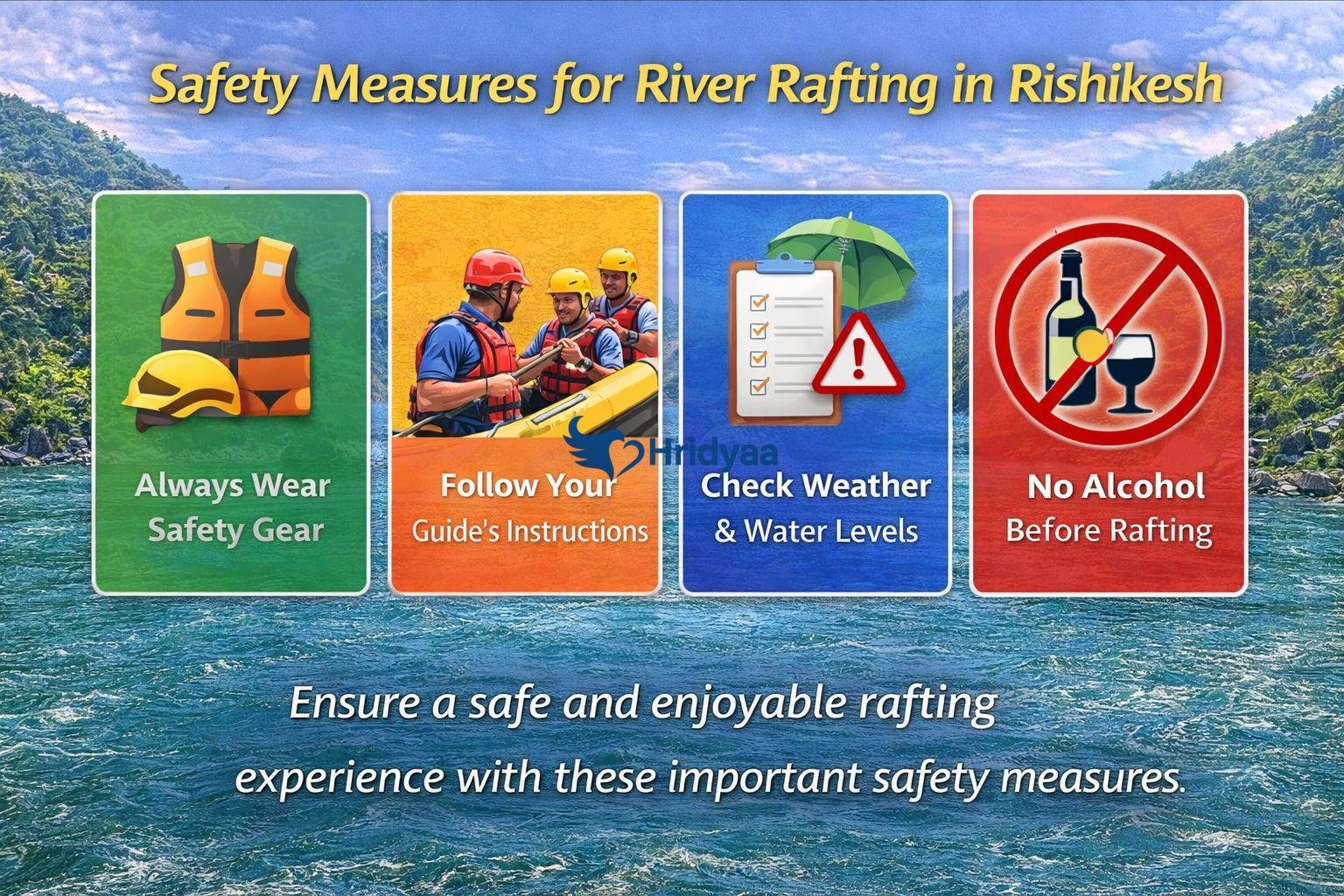
Safety is a major reason why Rishikesh rafting is trusted by thousands of visitors every year. Rafting here is conducted under regulated guidelines.
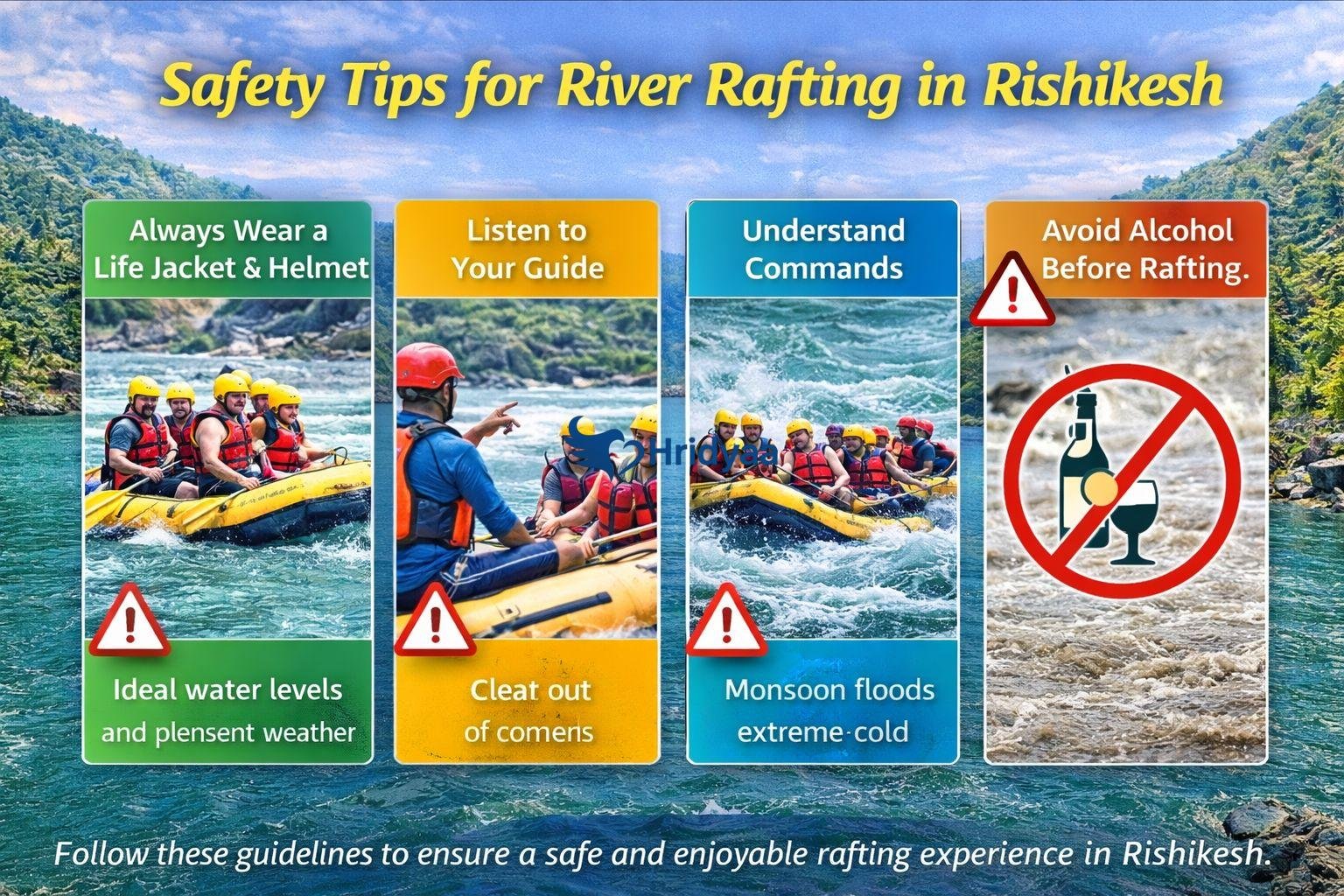
Before starting the rafting trip, every participant receives a safety briefing from the guide. Certified life jackets and helmets are mandatory, and guides are trained in river rescue techniques.
Rafting trips are conducted only on approved stretches, and river conditions are monitored daily. If water levels rise beyond safe limits, rafting operations are suspended immediately.
Age Limit, Weight Limit, and Fitness Guidelines
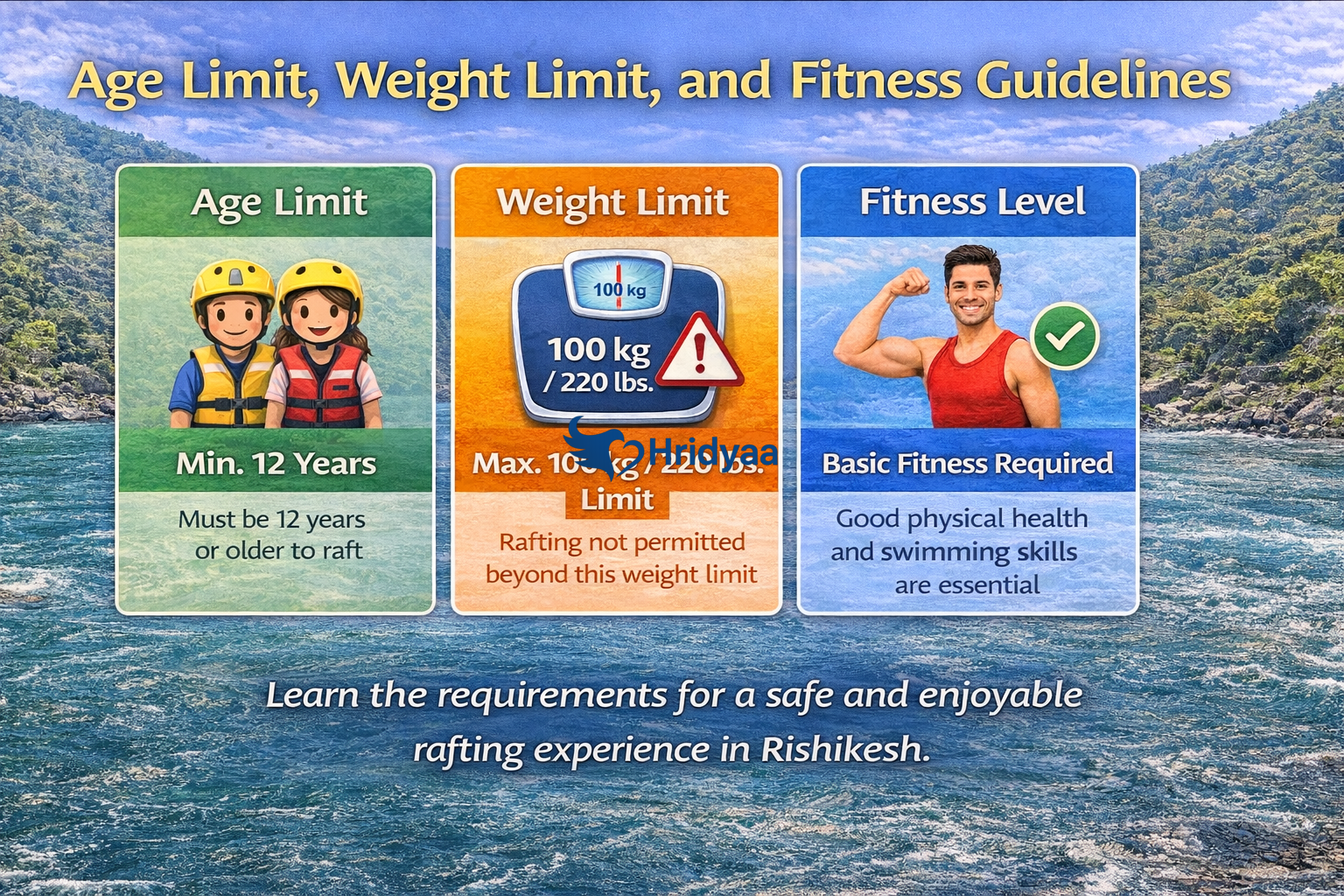
For river rafting in Rishikesh, certain basic eligibility rules apply.
The minimum age is usually 14 years, though this may vary slightly depending on the rafting stretch and river conditions. There is also a general upper weight limit for safety reasons, which varies by operator.
People with heart conditions, severe back problems, recent surgeries, or serious medical issues are advised not to participate in rafting. Pregnant women should strictly avoid river rafting.
What to Wear for Rafting in Rishikesh
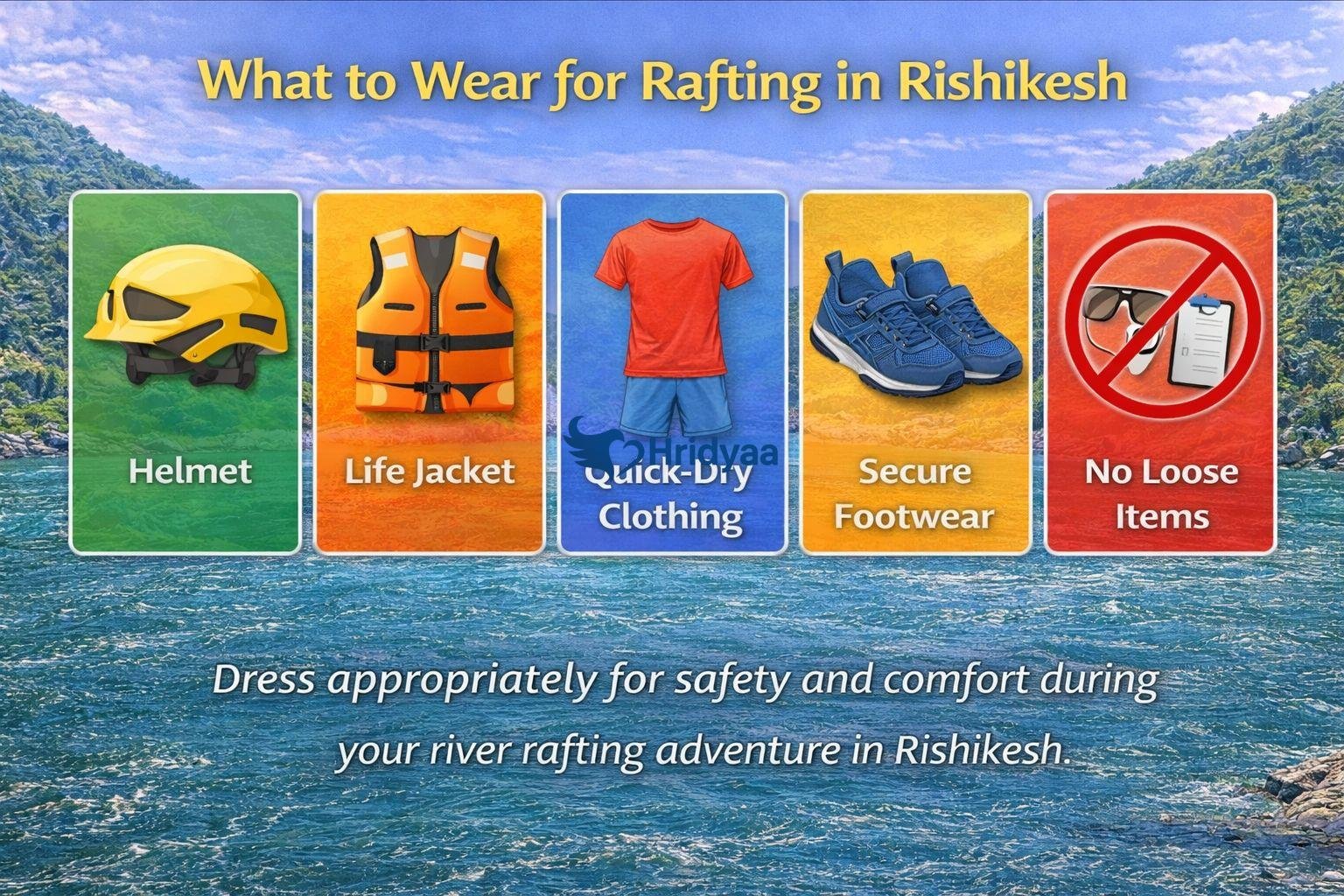
Wearing the right clothing makes rafting safer and more comfortable.
Quick-dry clothes, light t-shirts, and shorts are ideal. Footwear should have a good grip and should not slip easily in water. Avoid wearing heavy clothes, jeans, or slippers.
Personal items like mobile phones, wallets, and jewelry should not be carried on the raft unless waterproof protection is provided.
Cost of River Rafting in Rishikesh
The cost of rafting in Rishikesh depends mainly on the rafting stretch, distance, season, and river conditions. Prices are generally charged per person and include basic safety equipment and a certified river guide.
Rafting Price Guide in Rishikesh
| Rafting Route | Distance | Difficulty | Price Range (₹) | Best For |
|---|---|---|---|---|
| Brahmpuri → Rishikesh | 9 km | Easy | 600 – 1,000 | Beginners, families |
| Shivpuri → Rishikesh | 16 km | Moderate | 1,000 – 1,500 | Most tourists |
| Marine Drive → Rishikesh | 24 km | Hard | 1,800 – 2,500 | Adventure seekers |
| Kaudiyala → Rishikesh | 34 km | Very Hard | 3,000 – 4,500 | Experienced rafters |
Prices may increase slightly during peak season or long weekends. Monsoon months remain closed for rafting, so there is no pricing during that period.
Rafting and Camping Packages in Rishikesh
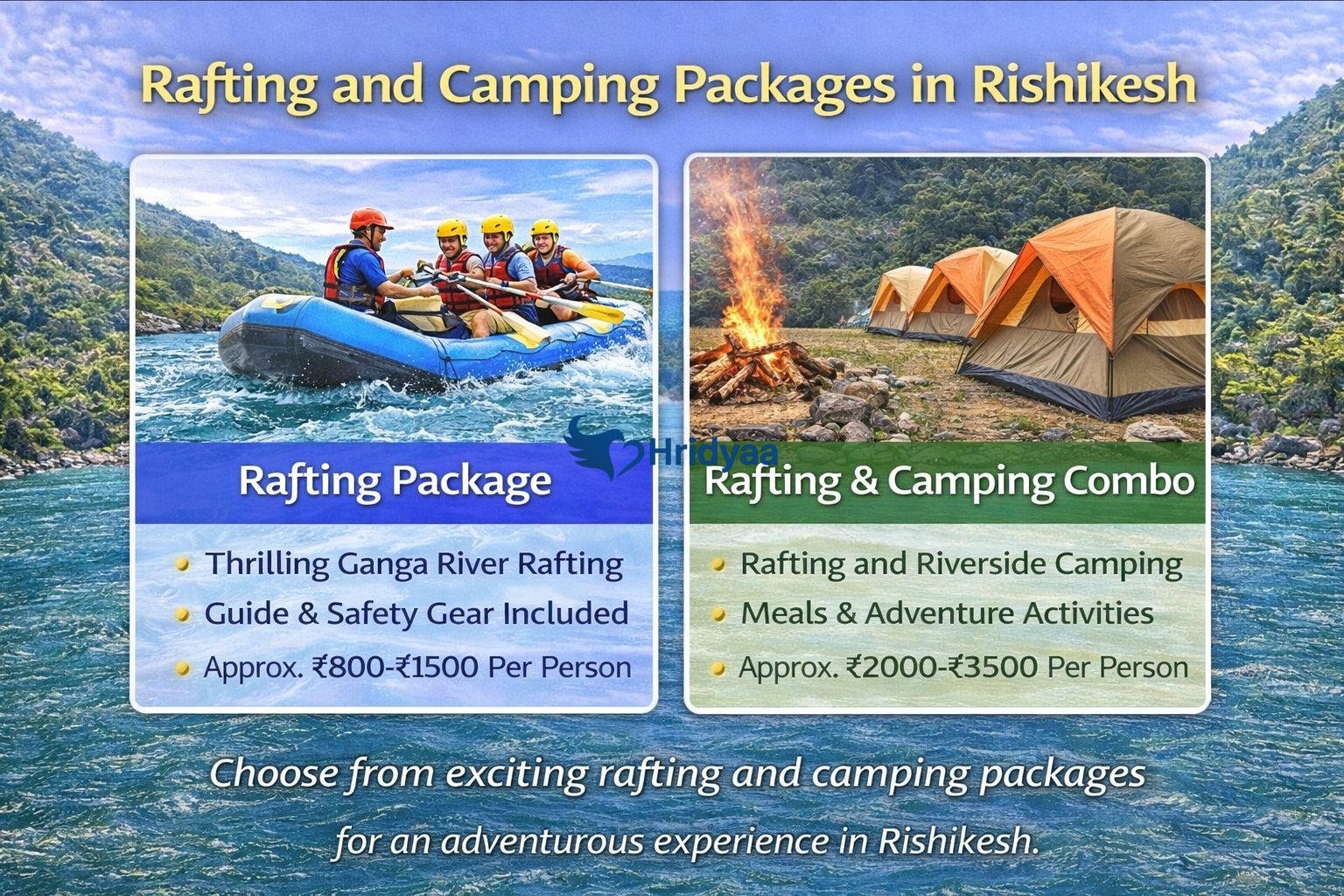
Many visitors prefer combining river rafting in Rishikesh with riverside camping. These packages offer a complete outdoor experience and are especially popular among groups, couples, and corporate teams.
A typical rafting and camping package includes accommodation in tents, meals, evening bonfire, and a guided rafting session. Camps are usually located near Shivpuri or slightly upstream, allowing easy access to popular rafting stretches.
Camping packages add comfort and flexibility, making it easier to plan early-morning rafting sessions when river conditions are ideal.
Rishikesh Rafting vs Other Rafting Destinations in India
Many travelers compare rafting in Rishikesh with other popular rafting destinations. While each place has its own charm, Rishikesh stands out for its consistency, safety standards, and variety of routes.
Comparison of Popular Rafting Destinations
| Destination | River | Difficulty Range | Best Season | Why Choose This Place |
|---|---|---|---|---|
| Rishikesh | Ganga | Grade I – IV | March–June, September–October | Wide range of routes, beginner to expert, best safety standards |
| Manali | Beas | Grade II – III | May–July | Scenic mountain views, moderate rapids |
| Kolad | Kundalika | Grade II – III | Monsoon (July–September) | Best monsoon rafting near Mumbai–Pune |
| Zanskar | Zanskar | Grade IV – V | July–August | Extreme rafting for experts only |
Rishikesh offers the widest range of rafting difficulty levels and the longest rafting stretches, which is why it remains the most searched destination for river rafting in India.
Important Do’s and Don’ts for Rafting in Rishikesh
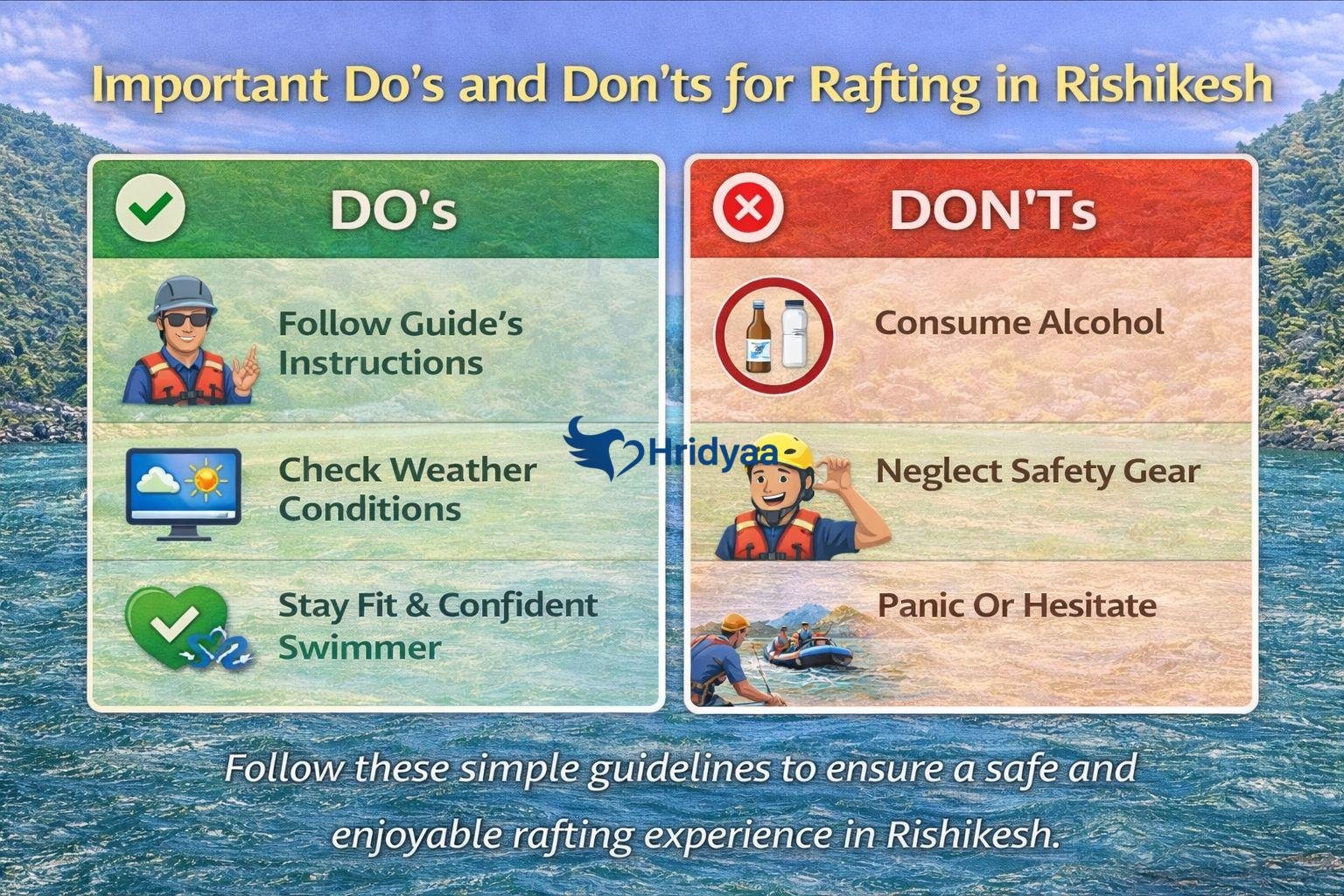
To ensure a safe and enjoyable rafting experience, a few simple rules should always be followed.
Listen carefully to the river guide before and during the rafting session. Always wear the safety gear provided and paddle only when instructed. Avoid alcohol or drugs before rafting, as they increase risk significantly.
Never jump into the river without the guide’s permission, and avoid carrying valuables on the raft.
Frequently Asked Questions About Rishikesh Rafting
Is rafting in Rishikesh scary or manageable for normal people?
For most people, rafting in Rishikesh is exciting but not scary, especially on the Shivpuri and Brahmpuri stretches. The fear usually comes from watching videos of advanced rapids, but beginner and moderate routes are designed to be fun, controlled, and safe.
Which is better for rafting in Rishikesh – Shivpuri or Brahmpuri?
Shivpuri is better if you want real adventure with famous rapids like Club House and Golf Course. Brahmpuri is better if you want a lighter experience or are rafting for the first time. Most people choose Shivpuri because it offers the best balance.
What happens if someone falls into the river during rafting in Rishikesh?
Falling into the river is rare, but even if it happens, life jackets keep you afloat. The guide immediately helps you get back into the raft using standard river rescue techniques practiced daily by rafting teams in Rishikesh.
Is rafting in Rishikesh safe for couples and women?
Yes, rafting in Rishikesh is completely safe for couples and women when done with licensed operators. Rafting groups are mixed, guides are trained professionals, and the activity is strictly regulated.
Why is rafting closed in Rishikesh during July and August?
Rafting is closed during July and August because the river flow becomes unpredictable due to heavy monsoon rainfall. Water levels rise sharply, making even easy rapids dangerous, so authorities shut rafting completely for safety.
Can I do rafting in Rishikesh if I am not very fit?
Yes, you do not need high fitness levels for most rafting stretches in Rishikesh. Basic stamina and the ability to sit and paddle occasionally are enough for beginner and moderate routes like Shivpuri.
Which rafting stretch in Rishikesh has the biggest rapids?
The Kaudiyala to Rishikesh stretch has the biggest and most powerful rapids, including Roller Coaster and The Great Wall. This stretch is recommended only for experienced rafters under suitable river conditions.
How do I know if a rafting operator in Rishikesh is genuine?
A genuine rafting operator in Rishikesh will provide certified guides, safety equipment, fixed start points, and proper briefings. They will never offer rafting during the monsoon or allow unsafe shortcuts.
Is river rafting in Rishikesh worth it if I have only one day?
Yes, even with one day, rafting in Rishikesh is worth it. The Shivpuri stretch takes only a few hours and easily fits into a short trip while still delivering a full adventure experience.
What is the most common mistake people make while booking rafting in Rishikesh?
The most common mistake is choosing a rafting stretch based only on price instead of difficulty level. Many people book either too easy or too difficult routes without understanding rapids, which affects the overall experience.
Final Thoughts: Is Rishikesh Rafting Worth It?
Rishikesh rafting is one of those rare adventure experiences that suits almost everyone when chosen wisely. Whether you are looking for a gentle introduction to river rafting or a high-adrenaline ride through powerful rapids, rafting in Rishikesh delivers consistently.
With natural Himalayan rapids, regulated safety standards, scenic surroundings, and multiple rafting routes, river rafting in Rishikesh remains the top choice for adventure seekers in India.
If you are planning an adventure trip, rafting in Rishikesh should be at the top of your list.


Join The Discussion