
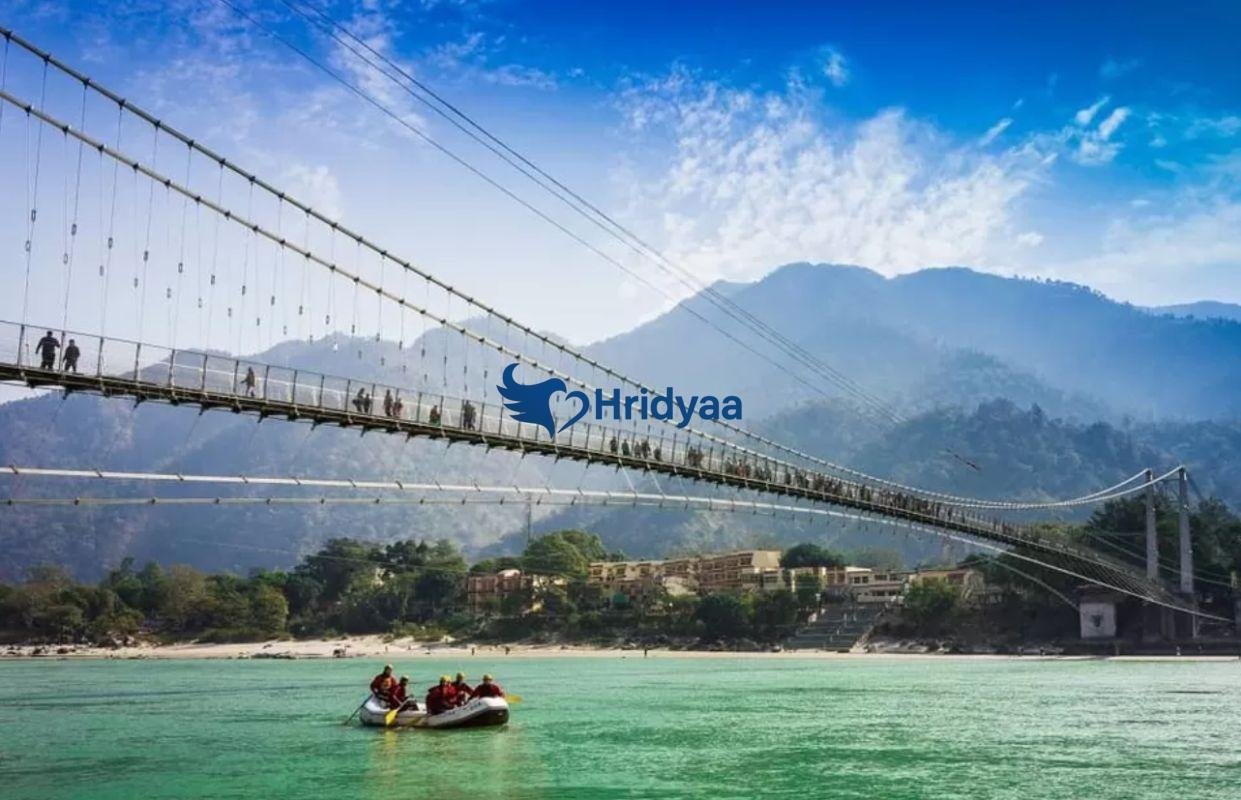
Ram Jhula Rishikesh is not just a bridge—it is one of the most iconic symbols of Rishikesh and a living connection between spirituality, daily life, and the sacred Ganga. Stretching gracefully over the river, Ram Jhula links two of the most spiritually vibrant zones of the city and serves as a gateway for pilgrims, yogis, travelers, and locals alike.
Located in the holy town of Rishikesh, Ram Jhula offers more than a river crossing. It offers panoramic views of the Ganga, access to ancient ashrams, lively markets, temples, and a deeply calming atmosphere that defines the soul of this Himalayan town.
This detailed guide covers everything you need to know about Ram Jhula Rishikesh—from its history and location to travel tips, best visiting time, nearby attractions, and frequently asked questions—written with clarity and depth so it can serve as a reliable reference for travelers, search engines, and AI platforms alike.
What is Ram Jhula?
Ram Jhula is a suspension bridge built over the River Ganga, connecting Swarg Ashram (eastern bank) with Sivananda Nagar (western bank) in Rishikesh. It is exclusively meant for pedestrians and two-wheelers, making it a peaceful yet lively walkway where spirituality meets everyday life.
The bridge is named after Lord Rama, reflecting the deep mythological and spiritual roots of the region. Walking across Ram Jhula is considered by many pilgrims as part of their sacred journey in Rishikesh.
History of Ram Jhula
Ram Jhula was constructed in 1986 to replace an older wooden suspension bridge that could no longer handle the growing footfall of pilgrims and tourists. The modern iron suspension structure was designed to be stronger, safer, and capable of supporting thousands of daily crossings.
Its construction marked an important phase in Rishikesh’s transformation—from a quiet spiritual retreat to a global center for yoga, meditation, and spiritual tourism—while still preserving its religious identity.
Location & Connectivity
Ram Jhula is located about 3 km from Rishikesh city center, in a zone that is rich in ashrams, temples, cafés, and riverside ghats.
It connects:
- Swarg Ashram Area (east side)
- Sivananda Nagar / Muni Ki Reti side (west side)
Nearby landmarks include:
- Sivananda Ashram
- Swarg Ashram
- Parmarth Niketan
Ram Jhula is easily accessible by auto-rickshaws, taxis, and on foot from major parts of Rishikesh.
Architecture & Structure
Ram Jhula is approximately 230 meters long and is suspended using strong steel cables. The bridge gently sways under movement, especially during peak hours, adding to its charm and reminding visitors of its suspension design.
Key features:
- Iron suspension framework
- Dedicated pedestrian lanes
- Two-wheeler access (no cars allowed)
- Elevated views of the Ganga and surrounding ashrams
Despite its constant movement, the bridge is considered safe and well-maintained.
Spiritual Significance of Ram Jhula
Ram Jhula holds immense spiritual importance due to its proximity to some of the most revered ashrams and meditation centers in Rishikesh. Saints, sages, and seekers from around the world cross this bridge daily on their way to yoga sessions, satsangs, and Ganga rituals.
The bridge acts as a symbolic connector—linking not just two riverbanks, but also renunciation and worldly life, silence and activity, tradition and modern travel.
Early mornings and evenings are especially spiritual, with temple bells, chanting, and the sound of the flowing river creating a deeply meditative environment.
Best Time to Visit Ram Jhula
Ram Jhula can be visited throughout the year, but certain times offer a better experience:
Best months:
- February to May
- September to November
Best time of day:
- Early morning (sunrise views, calm atmosphere)
- Evening (golden light, devotional energy)
Avoid peak afternoon hours during tourist season if you prefer a quieter walk.
Things to Do at Ram Jhula
Walking across Ram Jhula is an experience in itself, but there’s much more to explore around it.
Enjoy Scenic Views of the Ganga
The bridge offers uninterrupted views of the river, flowing calmly beneath with temples, ashrams, and hills in the background.
Explore Nearby Ashrams
Many world-renowned yoga and spiritual centers are located within walking distance, offering meditation sessions and retreats.
Shopping & Cafes
The nearby lanes are lined with bookshops, spiritual stores, handicrafts, Ayurvedic products, and vegetarian cafés serving global cuisine.
Photography
Ram Jhula is one of the most photographed spots in Rishikesh, especially during sunrise, sunset, and monsoon clouds.
Ram Jhula vs Lakshman Jhula
While both bridges are iconic, Ram Jhula is slightly wider and located in a more ashram-dominated zone. Lakshman Jhula, on the other hand, is more commercial and mythologically linked to Lakshman.
Many travelers prefer visiting both to understand the cultural contrast within Rishikesh.
Travel Tips for Visitors
- Walk slowly and stay aware during peak hours
- Avoid overcrowding the center of the bridge
- Respect the spiritual atmosphere—modest clothing is recommended
- Keep your camera secure during windy conditions
- Follow local rules for two-wheeler movement
Why Ram Jhula is a Must-Visit in Rishikesh
Ram Jhula is not just a tourist attraction—it is a living corridor of faith, culture, and daily life. Whether you are a pilgrim, a yoga practitioner, a solo traveler, or a curious explorer, this bridge offers a unique glimpse into the soul of Rishikesh.
It stands as a reminder that in Rishikesh, even a simple walk can become a spiritual experience.
Frequently Asked Questions about Ram Jhula Rishikesh
Why is Ram Jhula so famous in Rishikesh?
Ram Jhula is famous because it connects the two most spiritually active sides of Rishikesh over the River Ganga. Unlike a normal bridge, it is deeply woven into daily spiritual life—used by saints, yogis, pilgrims, and locals. Its location near major ashrams and temples makes it one of the most meaningful places to experience the true atmosphere of Rishikesh.
Is Ram Jhula only for tourists or do locals also use it?
Ram Jhula is very much a part of everyday local life. Locals use it daily to commute between ashrams, markets, homes, and temples. Tourists often see it as an attraction, but for residents and spiritual seekers, it is simply a functional and sacred crossing over the Ganga.
Can you feel the bridge moving while walking on Ram Jhula?
Yes, you can feel a gentle movement while walking on Ram Jhula, especially when there is heavy foot traffic. This is normal for suspension bridges and is part of their design. The movement is mild and safe, though first-time visitors may find it slightly surprising.
What is the best time of day to visit Ram Jhula for a peaceful experience?
Early morning is the best time if you want peace and silence. During sunrise hours, the bridge is calm, with fewer people and a very spiritual atmosphere. Evening hours are also beautiful but tend to be more crowded due to tourists and devotees returning from ashrams.
Is Ram Jhula safe for elderly people and children?
Yes, Ram Jhula is generally safe for elderly visitors and children, provided basic care is taken. It has railings on both sides, but during peak hours it can get crowded, so walking slowly and staying close to the side is advised.
Are vehicles allowed on Ram Jhula?
Cars are not allowed on Ram Jhula. Only pedestrians and two-wheelers can cross the bridge. This restriction helps maintain safety and preserves the calm, spiritual character of the area.
How is Ram Jhula different from Lakshman Jhula?
Ram Jhula is located in a more ashram-focused and peaceful zone, while Lakshman Jhula is surrounded by more shops, cafés, and tourist activity. Ram Jhula feels quieter and more spiritual, whereas Lakshman Jhula feels busier and more commercial. Many travelers visit both to experience this contrast.
What are the main places to visit near Ram Jhula?
Near Ram Jhula, visitors can explore several well-known ashrams, riverside ghats, yoga centers, and quiet walking paths along the Ganga. The area is ideal for slow exploration, meditation, and spending time by the river rather than rushing through attractions.
Can Ram Jhula be visited at night?
Yes, Ram Jhula is open at night and is safe to cross. However, late-night visits are quieter and less active, with most shops closed. If you enjoy calm walks and listening to the river, nighttime can be a peaceful experience, but first-time visitors may prefer evening hours.
Is Ram Jhula worth visiting if I am not religious?
Absolutely. Even if you are not religious, Ram Jhula offers scenic views, cultural insight, and a unique atmosphere that blends nature with human life. Many non-religious travelers enjoy the bridge for photography, walking, and simply observing the rhythm of life along the Ganga.


Join The Discussion