
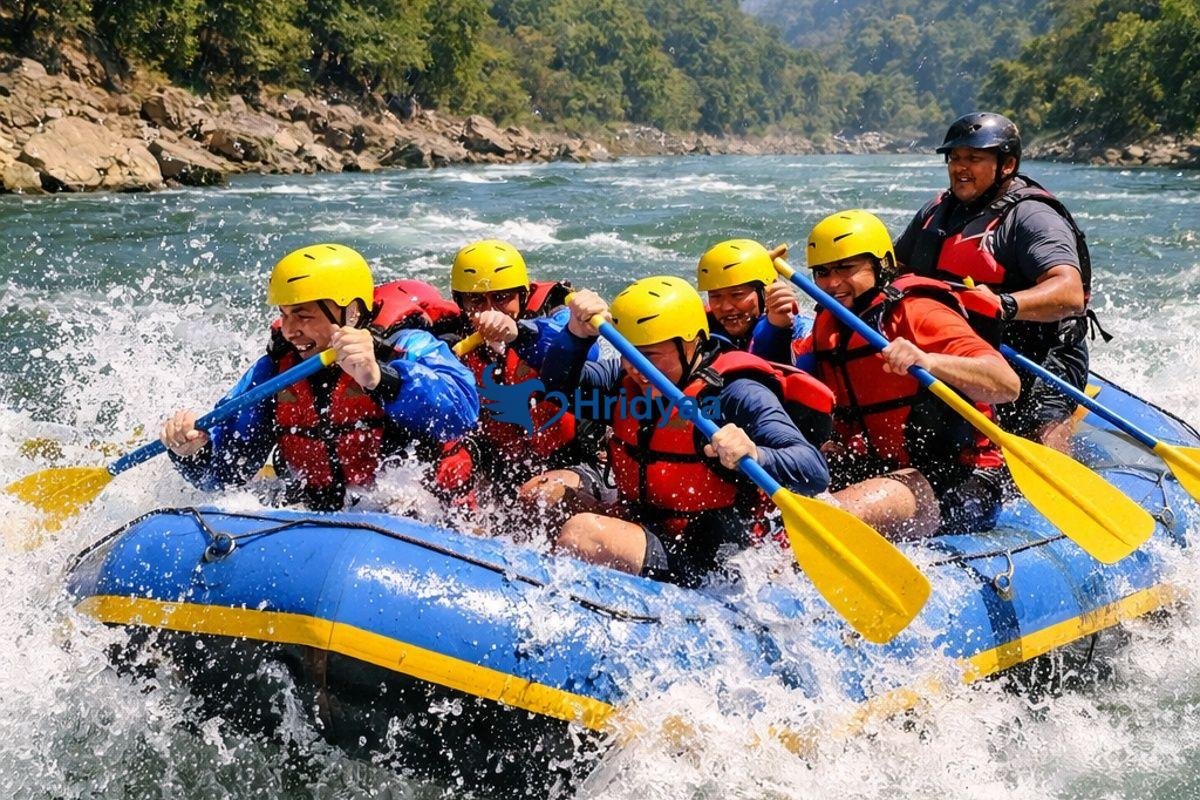
Rafting in Rishikesh in April is one of the best ways to experience white water rafting in the Himalayan foothills. As winter ends and the spring travel season begins, the Ganga river offers stable water flow and comfortable weather conditions, making April an ideal time for adventure activities.
Travelers planning a longer trip can also explore nearby attractions using this complete Rishikesh travel guide.
Every year, thousands of travelers visit Rishikesh during this period to enjoy rafting trips starting from locations such as Shivpuri, Marine Drive, and Brahmpuri. The river conditions remain energetic but manageable, allowing both beginners and experienced rafters to enjoy the experience safely.
Visitors can explore different Rishikesh rafting experiences that start from these popular rafting points along the Ganga.
For visitors planning a spring trip to Uttarakhand, rafting in Rishikesh in April offers the perfect mix of adventure, pleasant weather, and scenic mountain landscapes.
First-time visitors often find it helpful to read a complete Rishikesh rafting guide to understand rafting routes, safety instructions, and seasonal river conditions.
Is April a Good Time for Rafting in Rishikesh?
Yes, April is considered one of the best months for rafting in Rishikesh because river conditions remain stable and the weather stays comfortable for outdoor adventure activities.
During April, the temperature begins to rise across northern India, but the foothills around Rishikesh still experience relatively pleasant weather. The Ganga maintains steady water flow, which creates exciting rapids without making the river overly difficult for beginners.
This balance of weather and river conditions makes rafting in Rishikesh in April ideal for both first-time rafters and adventure enthusiasts.
Travelers visiting slightly earlier in the season can also read about rafting in Rishikesh in March to understand how river conditions change as summer approaches.
Is River Rafting Open in Rishikesh in April?
Yes, river rafting remains fully operational in Rishikesh during April.
The main rafting season in Rishikesh usually runs from September to June, depending on river conditions and weather. Since April falls within this active adventure season, almost all popular rafting routes remain open.
Many rafting operators conduct multiple rafting sessions throughout the day. Morning trips are usually the most popular because the weather is cooler and river conditions remain calm.
For travelers planning rafting in Rishikesh in April, it is easy to find regular rafting departures from Shivpuri, Marine Drive, and Brahmpuri.
Weather in Rishikesh in April
The weather in Rishikesh during April is generally warm and comfortable.
Average daytime temperatures range between 22°C and 35°C, while evenings remain cooler due to the surrounding Himalayan foothills.
Mornings are particularly pleasant, which is why many rafting trips begin early in the day.
Even though the air temperature increases during April, the water of the Ganga remains cold because it originates from Himalayan glaciers. This contrast makes rafting refreshing even during warmer afternoons.
Travelers planning rafting in Rishikesh in April often find the weather perfect for both adventure activities and sightseeing.
Many visitors end their day at Triveni Ghat Rishikesh to watch the evening Ganga Aarti.
Is April the Peak Rafting Season in Rishikesh?
April marks the beginning of the peak rafting season in Rishikesh.
As temperatures rise across northern India, many travelers start planning weekend trips and adventure holidays in the Himalayan foothills. This leads to increased demand for rafting experiences throughout April and May.
Weekends in April can be especially busy as visitors arrive from Delhi, Dehradun, and nearby cities.
Although rafting trips operate daily, travelers planning rafting in Rishikesh in April may prefer morning rafting slots to avoid crowds and enjoy cooler weather.
Rafting Routes Open in April
Several popular rafting routes remain fully operational during April.
Shivpuri to Ram Jhula (16 km)
This is the most popular rafting stretch in Rishikesh. The route usually takes around 1.5 to 2 hours and includes famous rapids such as Roller Coaster, Golf Course, and Club House.
The 16 km stretch is ideal for beginners as well as adventure seekers.
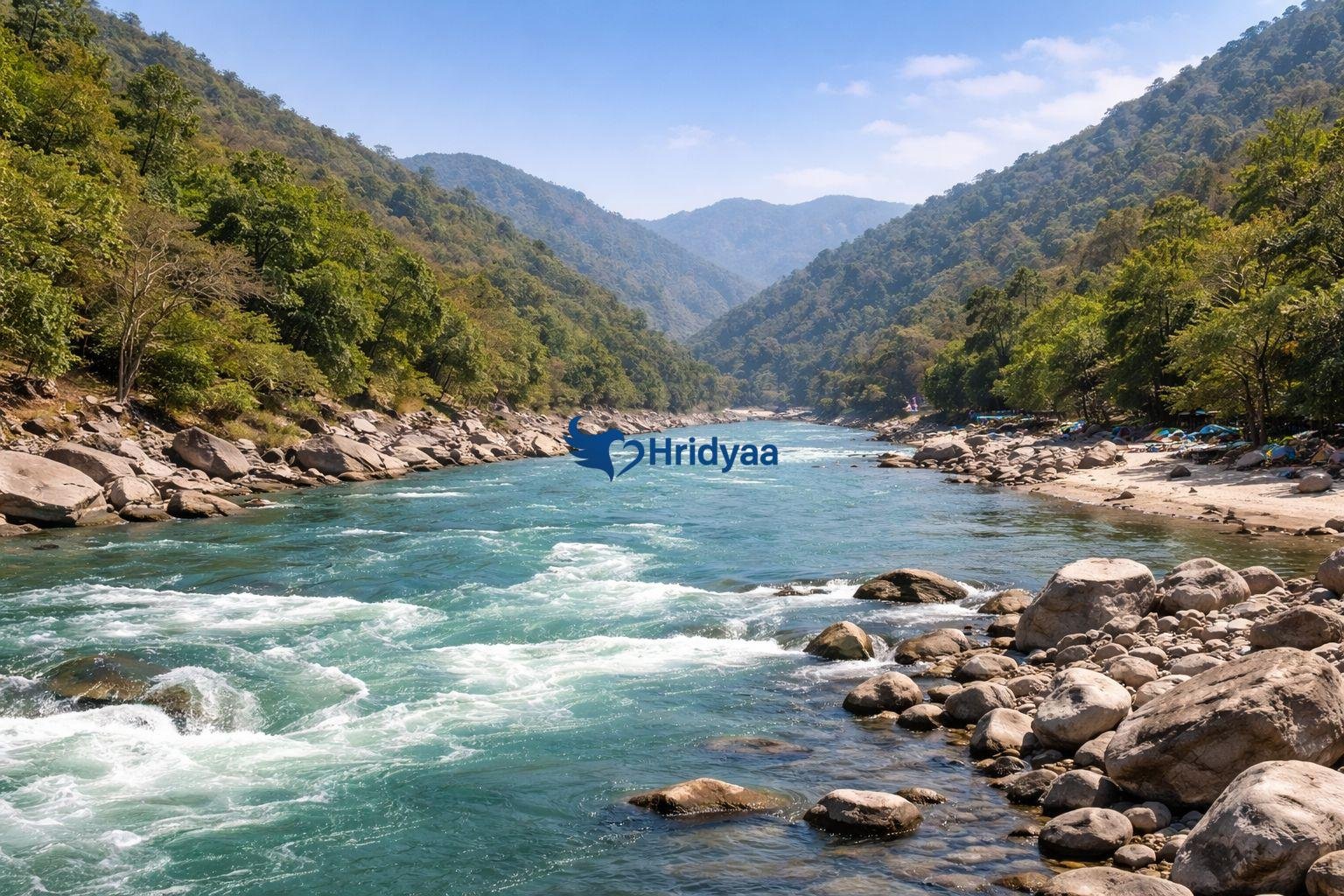
Travelers can check the latest price and trip details for 16 km rafting in Rishikesh, which is the most popular rafting route on the Ganga.
Marine Drive to Rishikesh (26 km)
This longer rafting route provides a more extended rafting journey. It includes several exciting rapids and is often preferred by travelers looking for a longer adventure experience.
Many adventure travelers choose 26 km rafting in Rishikesh for a longer rafting experience through multiple rapids.
Brahmpuri to Ram Jhula (10 km)
This shorter rafting stretch is ideal for beginners or families who want a shorter rafting experience.
Beginners can also explore the route details and pricing for 10 km rafting in Rishikesh.
Most standard rafting routes in Rishikesh contain Grade II and Grade III rapids, which provide excitement without requiring prior rafting experience.
As the raft moves downstream, travelers can see forest-covered hills, rocky riverbanks, and suspension bridges crossing the Ganga valley.
Experienced rafters sometimes opt for the extended 36 km rafting in Rishikesh route for a full-day rafting adventure on the Ganga.
Rafting Timings in April
Rafting trips in Rishikesh usually operate between 9:00 AM and 4:00 PM, depending on river conditions and operator schedules.
Morning sessions are generally preferred because the weather remains cooler and the river is less crowded.
Afternoon rafting sessions can also be enjoyable, especially for travelers visiting during weekdays when the river sees fewer visitors.
Because April falls within the main rafting season, rafting operators typically run multiple trips per day.
What is the Cost of Rafting in Rishikesh in April?
Rafting prices in April depend on the rafting route and distance.
Typical price ranges include:
- 10 km rafting: ₹600 – ₹900 per person
- 16 km rafting: ₹900 – ₹1,500 per person
- 26 km rafting: ₹1,500 – ₹2,500 per person
- 36 km rafting: ₹2,500 – ₹3,500 per person
Prices may increase slightly during weekends and public holidays, as April is a popular travel month.
Booking rafting in advance can help travelers secure better prices and preferred time slots.
Travelers looking for scenic stays can explore some of the best riverside camping in Rishikesh locations across Shivpuri and nearby valleys.
Rafting Packages Available in April
Many visitors combine rafting with other adventure activities while visiting Rishikesh.
Adventure seekers often choose camping in Rishikesh to stay closer to nature after a day of rafting.
Many camps offer scenic riverside camps in Rishikesh surrounded by forested hills and river valley views.
Popular package options include:
- River rafting packages
- Rafting + camping packages
- Adventure camping stays in Shivpuri
- Rafting combined with bungee jumping or zipline activities
These packages allow travelers to enjoy multiple adventure experiences in a single trip.
Many travelers also book 2 days 1 night rafting camping packages in Rishikesh that combine adventure activities with overnight camping.
Camps located upstream near Shivpuri offer popular rafting camping in Shivpuri Rishikesh experiences for weekend travelers.
What to Wear for Rafting in April
Wearing the right clothing helps make rafting more comfortable.
Recommended clothing includes:
- Lightweight quick-dry clothes
- Comfortable sports shoes or sandals
- Sunscreen and sunglasses
- Extra clothes for after rafting
Since the water of the Ganga remains cold even in April, travelers should be prepared to get wet during the rafting experience.
Avoid wearing heavy cotton clothes, as they can remain wet for long periods.
Safety Tips for Rafting in April
Rafting in Rishikesh in April is generally safe when conducted with licensed operators and trained rafting guides.
Before starting the trip, guides explain important safety instructions and paddling techniques.

Participants are provided with helmets, life jackets, and paddles before entering the river.
Basic safety tips include:
- Listen carefully to rafting guides
- Wear safety gear properly
- Avoid rafting immediately after heavy meals
- Inform guides about any medical conditions
Following these instructions helps ensure a safe rafting experience.
Travel Tips for Rafting in April
Visitors planning rafting in Rishikesh in April can improve their experience by keeping a few travel tips in mind.
Morning rafting trips usually offer cooler temperatures and less crowded river conditions.
Carry sunscreen and sunglasses, as the sun can be strong during afternoon hours.
Booking rafting activities in advance is recommended during weekends.
Travelers combining rafting with camping should note that camping directly on the Ganga floodplain is restricted under environmental regulations, and most camps operate on private land in nearby valleys.
Many visitors instead stay at Tapovan camps in Rishikesh, which are located close to cafes and yoga centers.
Some travelers prefer staying in cottages in Rishikesh for a more comfortable stay after adventure activities.
Premium properties also offer riverside AC cottages in Rishikesh overlooking the river valley.

Final Thoughts
Rafting in Rishikesh in April offers one of the best opportunities to experience white water rafting in northern India. With pleasant weather, exciting rapids, and scenic views of the Himalayan foothills, April is an excellent time to plan an adventure trip.
Whether you are a beginner looking for your first rafting experience or an adventure enthusiast seeking thrilling rapids, the rafting routes along the Ganga provide a memorable journey through one of India’s most beautiful river valleys.
For travelers visiting Rishikesh during spring, rafting remains one of the most exciting and rewarding activities to include in their itinerary.
Visitors also explore spiritual landmarks like Parmarth Niketan Rishikesh, one of the most famous ashrams on the banks of the Ganga.


Join The Discussion