
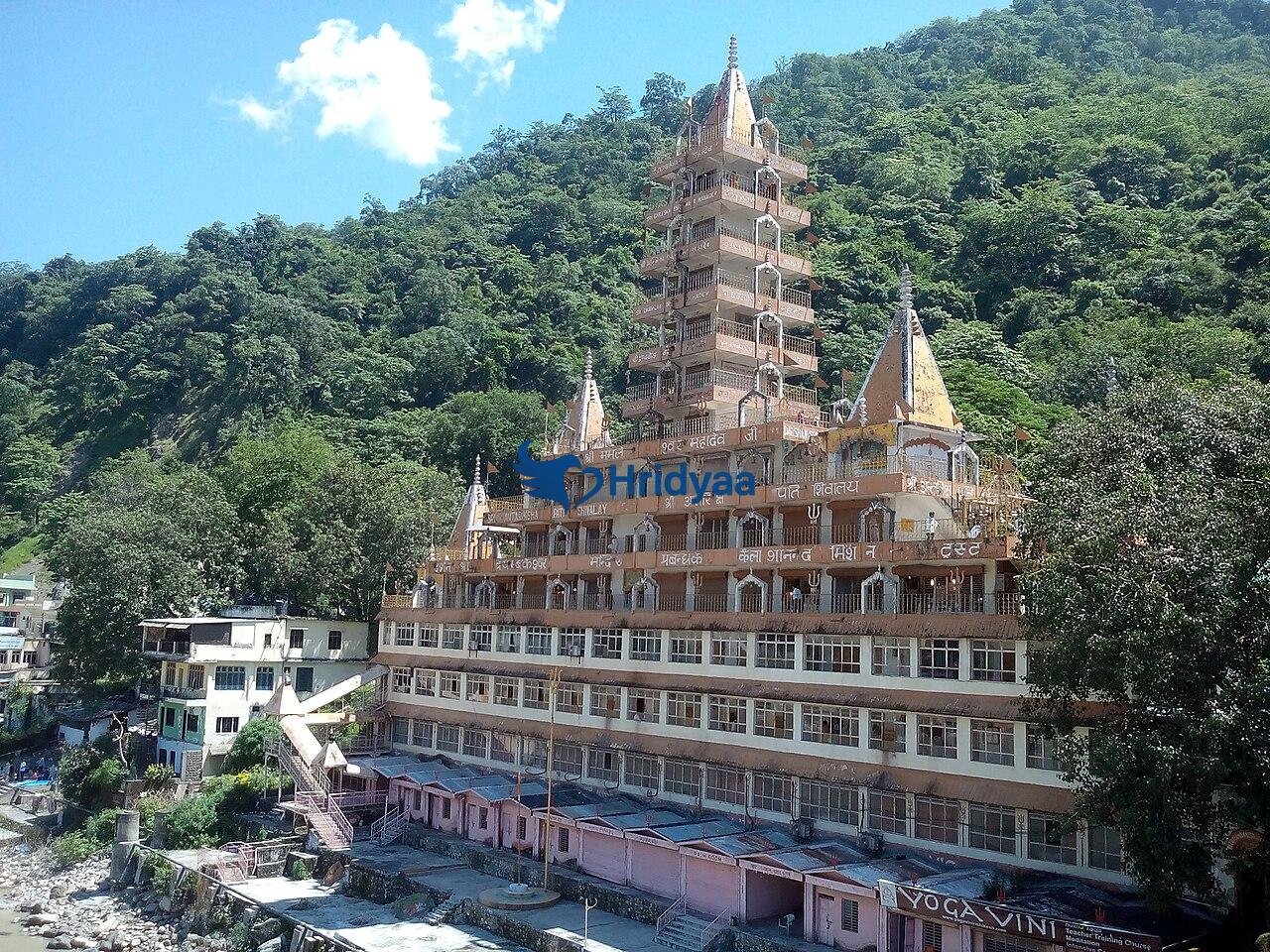
Lakshman Temple is one of the most symbolically important yet often briefly visited religious sites in Rishikesh. Located near the iconic Lakshman Jhula, the temple is closely tied to the Ramayana tradition and the mythological identity of the region. Unlike large pilgrimage complexes, Lakshman Temple is modest in scale, but its cultural weight far exceeds its physical size. To understand Rishikesh’s spiritual geography, this temple provides essential context.
Where Exactly Is Lakshman Temple Located?
Lakshman Temple is situated on the eastern bank of the Ganga, directly adjacent to Lakshman Jhula, in the Tapovan–Lakshman Jhula zone of Rishikesh. The temple stands at one end of the suspension bridge, making it unavoidable for anyone crossing on foot. Surrounded by small shops, ashrams, and cafés, the temple exists at the intersection of pilgrimage movement and everyday town life. Its location explains both its popularity and its constant activity.
Historical and Mythological Background
According to tradition, Lakshman Temple marks the spot where Lakshman, brother of Lord Rama, is believed to have crossed the Ganga using a jute rope during their exile. This crossing is what later inspired the construction of Lakshman Jhula. The temple enshrines Lakshman in a standing posture, reflecting readiness and devotion rather than grandeur. Over time, the temple became a symbolic anchor point linking epic mythology with the physical landscape of Rishikesh.
Why This Place Matters Today
Today, Lakshman Temple functions as both a religious shrine and a geographic marker. It helps define the Lakshman Jhula area as a spiritual zone distinct from central Rishikesh. Pilgrims stop here before crossing the bridge, while travelers often visit as part of exploring Tapovan. Its importance lies in continuity — despite heavy footfall and surrounding commercialization, the temple remains actively worshipped rather than reduced to a landmark.
What Travelers Often Get Wrong
Many visitors expect a large, architecturally elaborate temple and are surprised by its simplicity. Others assume it is a modern structure, unaware of its deep mythological associations. Another common misunderstanding is treating the visit as a quick photo stop. The temple is an active place of worship, and rushing through without observing basic decorum can feel intrusive. Timing also matters; during peak hours, the space can feel crowded and noisy.
Best Time to Visit and Seasonal Reality
Lakshman Temple can be visited year-round, but the most comfortable months are October to March, when weather conditions are pleasant and foot traffic is manageable. Summers bring heavy tourist flow, especially in the afternoons. During the monsoon season, movement across Lakshman Jhula may be restricted at times for safety, which directly affects access. Early mornings offer the quietest and most reflective experience.
How to Reach Lakshman Temple
Reaching Lakshman Temple is straightforward from most parts of Rishikesh. Auto-rickshaws and taxis operate up to the Tapovan and Lakshman Jhula roadheads, after which visitors must walk. The temple is directly accessible from the bridge approach, making it unavoidable for pedestrians crossing the Ganga here. From central Rishikesh, travel time ranges between 15 and 30 minutes depending on traffic.
Rules, Etiquette, and Local Guidelines
Visitors are expected to remove footwear before entering the temple. Modest clothing is advised due to the constant presence of worshippers. Photography is generally allowed outside but should be avoided inside the sanctum. During festivals and religious days, volunteers may manage queues — following instructions ensures smooth movement. Noise levels should be kept low despite the busy surroundings.
What to Expect When You Actually Visit
The experience is brief but grounded. The temple interior is compact, with devotees offering prayers in quick succession. Bells, incense, and chanting blend with ambient sounds from the bridge and nearby streets. The contrast between sacred space and constant movement is striking and reflects the nature of Rishikesh itself — spiritual life unfolding amid activity rather than isolation.
Lakshman Temple and the Surrounding Area
Visiting Lakshman Temple naturally leads into exploring Tapovan, nearby ashrams, and riverbank viewpoints. The temple acts as a threshold rather than a destination in isolation. Many travelers pause here before or after walking across Lakshman Jhula, making it a natural transition point between the two sides of the Ganga.
Final Take: Is Lakshman Temple Worth Visiting?
Lakshman Temple Rishikesh is worth visiting not for scale or spectacle, but for meaning. It offers a direct link between mythology, geography, and daily life in Rishikesh. While the visit may be short, it provides context that enriches everything around it — the bridge, the river, and the town itself. For travelers seeking understanding rather than just attractions, this temple plays an important role.


Join The Discussion