
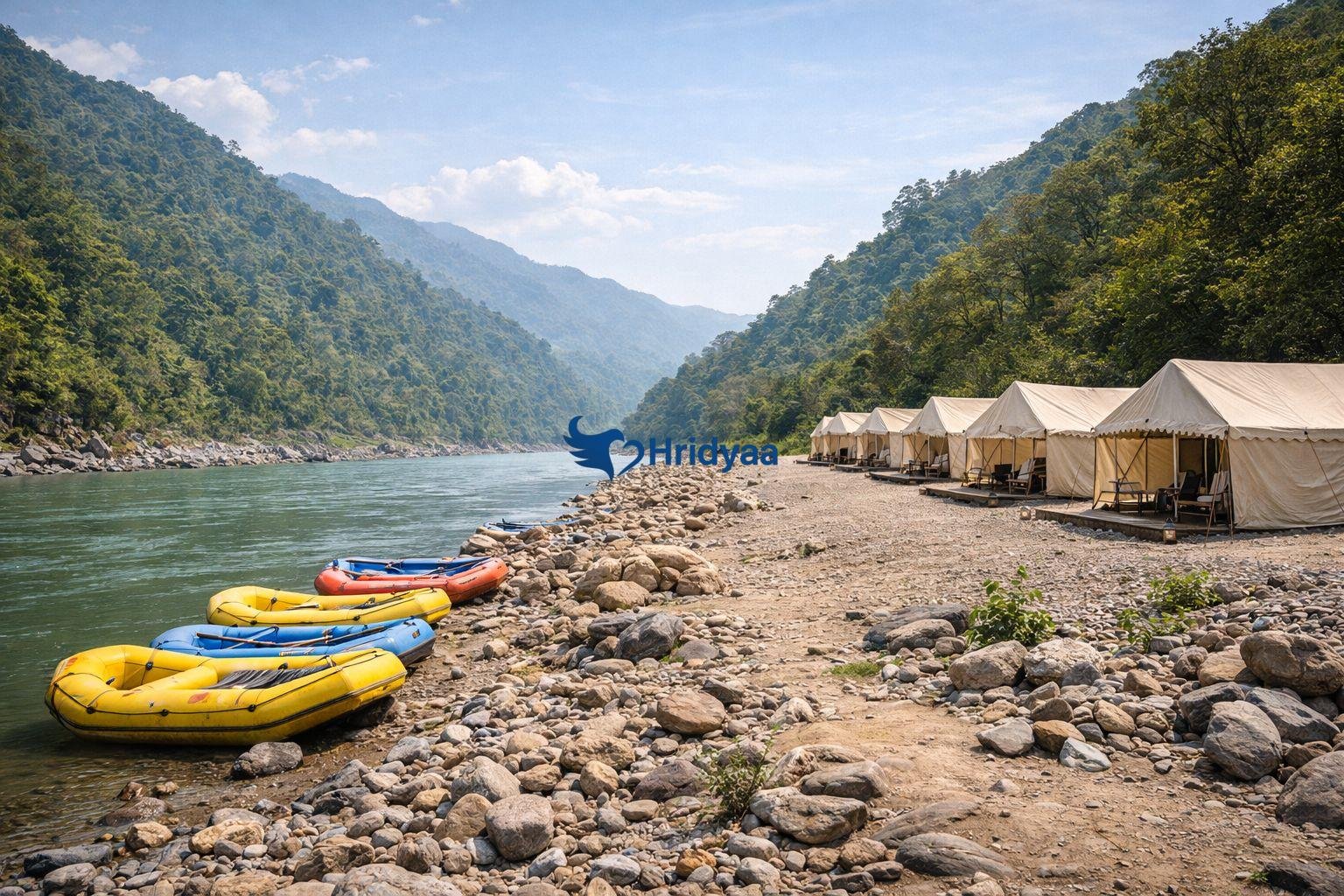
If you’re planning riverside camping in Rishikesh in 2026, one question naturally comes up — is it actually legal?
Over the past few years, enforcement drives, green zone discussions, and removal of permanent riverside structures created confusion among travelers. Some assumed camping was banned altogether. Others believed anything close to the Ganga must be operating outside regulations.
Travelers sometimes confuse older news reports with current ground realities, which adds to the perception that camping is banned.
The reality today is clearer than headlines suggest.
Riverside camping is legal in 2026 — but only within regulated, approved zones.
What Triggered the Regulation Changes?
The tightening of rules began after environmental concerns around riverbank encroachment, flood-line vulnerability, and ecological pressure along the Ganga corridor.
The National Green Tribunal (NGT) issued directions emphasizing protection of active flood plains, removal of permanent construction near sensitive stretches, preservation of eco-sensitive buffer zones, and prevention of untreated waste discharge.
These frameworks were implemented gradually over the past few seasons rather than overnight. Enforcement strengthened step by step, particularly in high-traffic zones like riverside camps in Shivpuri.
The result wasn’t the elimination of camping — it was a reset toward regulated, seasonal, and eco-sensitive setups.
This reset clarified which setups were sustainable and which were not.
Understanding Green Zone & Flood-Line Restrictions
Green zones refer to protected ecological areas near the river and adjacent forest belts where permanent construction is restricted.
Flood-line regulations prohibit fixed structures within defined active river boundaries to reduce monsoon risk and prevent structural damage.
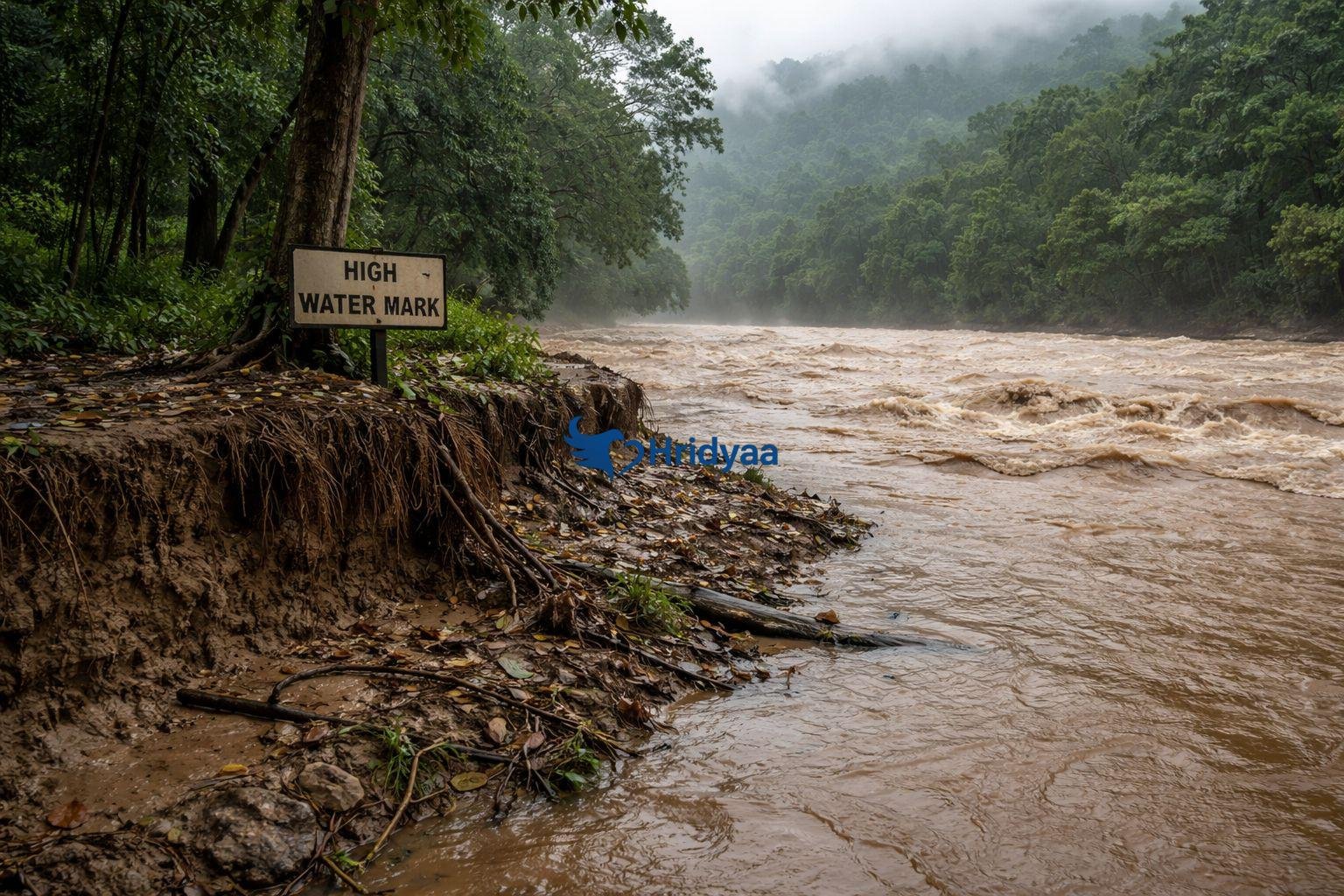
In practical terms:
- Permanent concrete cottages directly on the river’s active edge are not permitted.
- Multi-story fixed buildings inside restricted buffer zones are disallowed.
Most operational camps now function within Forest Department–approved camping clusters.
Only temporary seasonal tent installations are allowed — setups that can be dismantled rather than permanently embedded into the riverbank landscape.
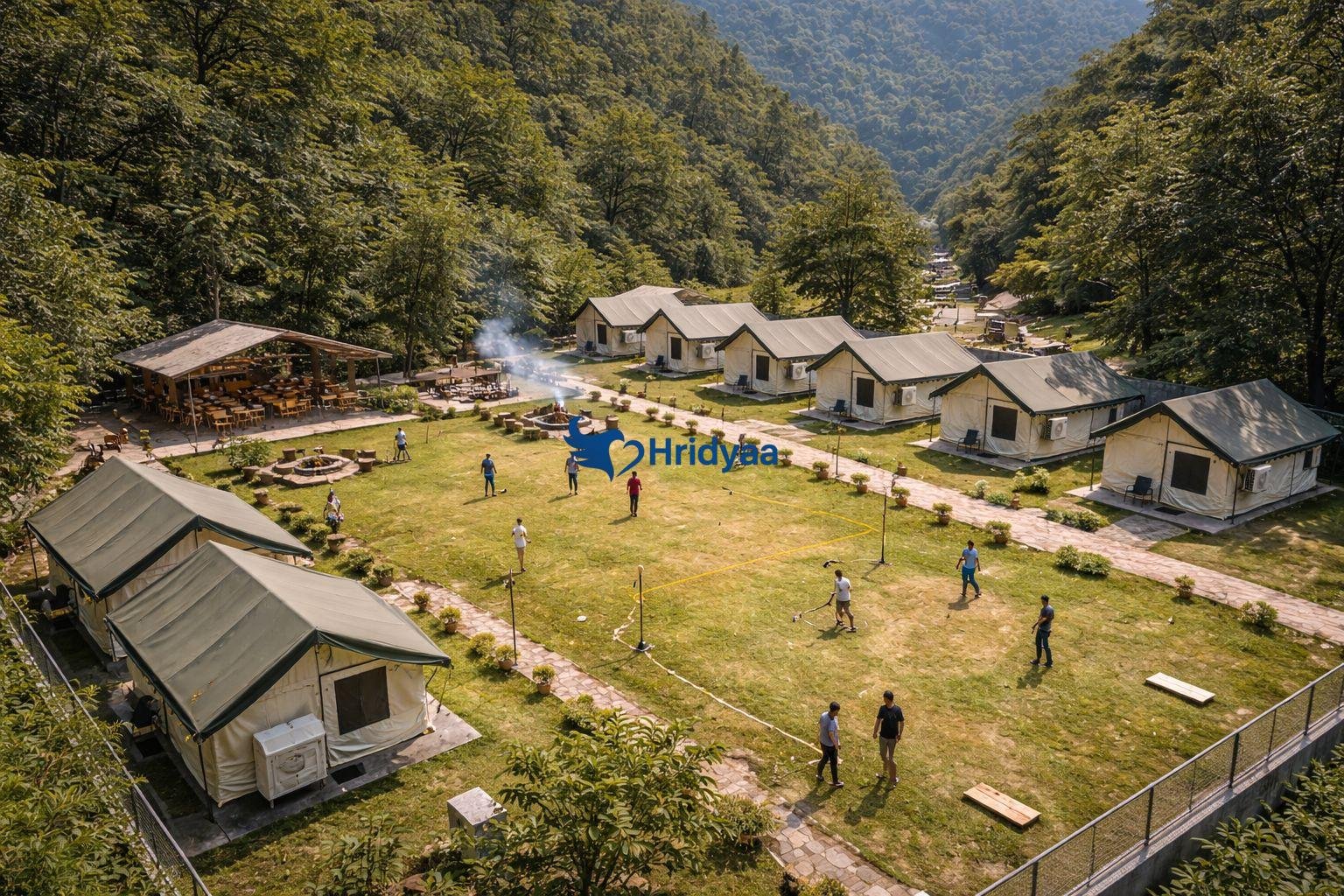
Visitors often assume that tents close to the waterline must be illegal. In reality, legality depends on land classification and whether the camp operates inside an approved seasonal zone.
A simple rule of thumb:
If the property consists of seasonal tents instead of permanent riverside buildings, it is more likely functioning within regulation.
Why Were Permanent Riverside Structures Removed?
Earlier, some operators had built semi-permanent and permanent constructions close to the active river boundary. Over time, this created flood exposure risks and ecological strain.
Authorities required removal of such structures to restore riverbank balance and reduce long-term environmental impact.
While this caused temporary disruption in the tourism ecosystem, it ultimately created a more structured and sustainable camping model.
Today’s 2026 landscape is more organized and more predictable.
Most compliant camps also close temporarily during peak monsoon to align with flood safety and environmental guidelines — another sign that operations are now structured rather than improvised.
What Types of Camping Setups Are Allowed in 2026?
Legal riverside camping generally operates under clearly defined formats:
1. Seasonal Tent-Based Camps
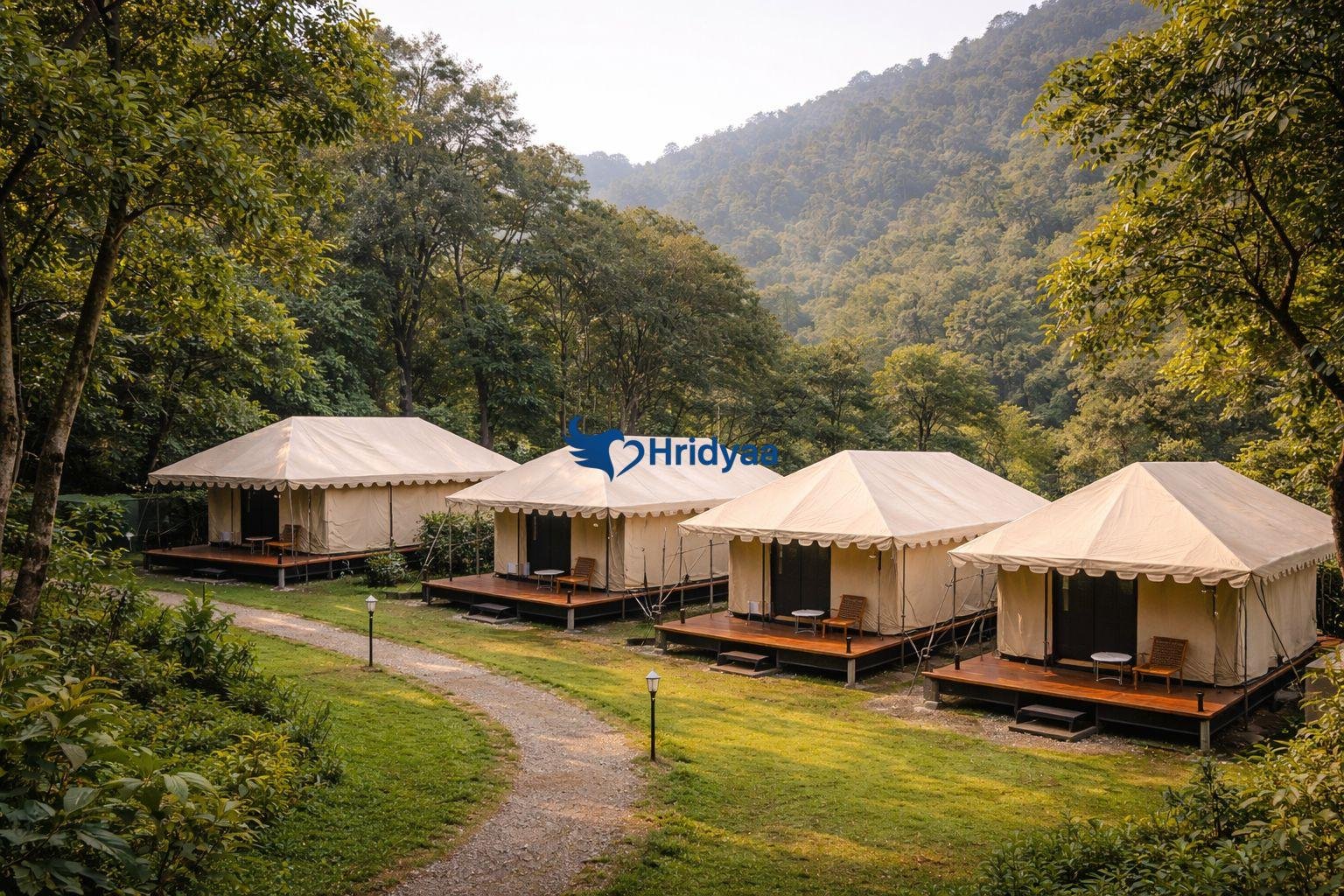
Swiss or alpine tents installed on approved land parcels and dismantled seasonally.
2. Designated Eco-Camping Clusters
Multiple operators functioning within monitored guidelines.
3. Approved Forest-Edge Camps
Located slightly away from the active floodplain but still within proximity to the river.
What you will not find under current enforcement norms are newly built permanent concrete resorts sitting directly on the active floodplain.
Beach Camping vs Forest Camping: What’s the Difference?
This distinction is often misunderstood.
Beach camping refers to setting up tents directly on exposed sandbanks of the Ganga. These sandbanks are ecologically sensitive and shift seasonally. Permanent commercial operations in such areas are not permitted.
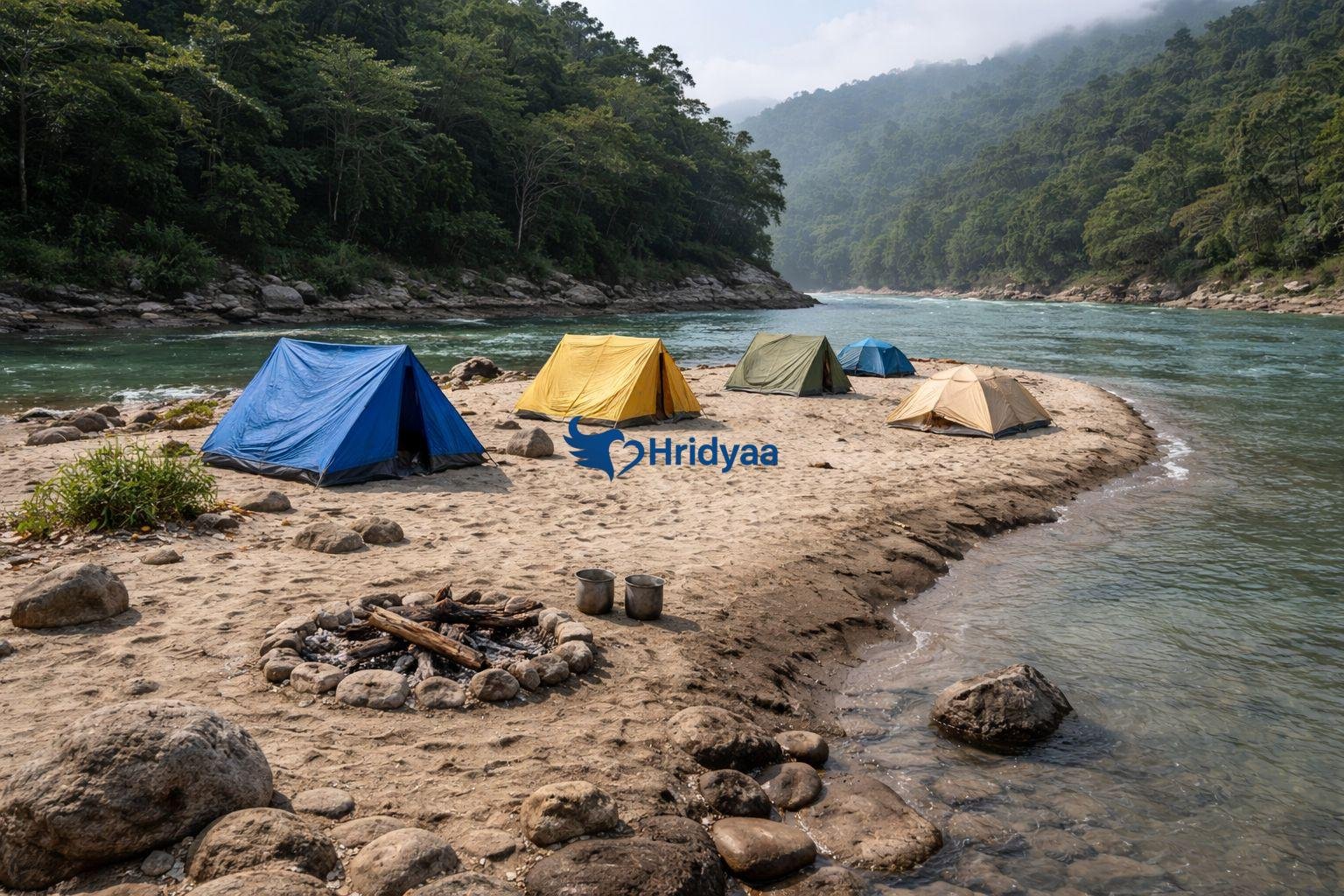
Forest or designated-zone camping operates on approved land parcels outside the active floodplain while maintaining proximity to the river.
If a listing shows tents pitched loosely on shifting sandbars with no defined infrastructure, caution is advisable.
Approved camps function within designated clusters, not temporary sand patches.
Is Riverside Camping Safe & Legal for Families?
Yes — provided you choose camps operating within approved zones.
In fact, the 2026 regulatory structure has improved safety consistency. Defined camping clusters, seasonal compliance, and clearer distance guidelines reduce ambiguity.
Many of these clusters are located near official rafting start points in Rishikesh, which operate under separate safety guidelines.
If you want clarity on how proximity categories actually work, read our distance-based explanation of camping in Rishikesh near river before choosing a location.
How to Verify If a Camp Is Compliant
Before booking:
- Ask whether the camp operates seasonal tent structures only
- Confirm approximate distance from the active river edge
- Request a Google Maps location pin
- Ask whether the camp pauses operations during heavy monsoon
Transparent operators answer these questions comfortably.
What This Means for Travelers in 2026
Riverside camping in Rishikesh is not banned.
It is regulated.
The removal of permanent riverside structures was not a tourism shutdown — it was an environmental correction.
If you’re comparing compliant options by proximity and comfort category, our detailed guide on best riverside camping in rishikesh breaks down regulated camps by distance, pricing tier, and setup type.
Understanding these rules ensures you book camps that operate within approved zones — avoiding last-minute cancellations or regulatory complications.


Join The Discussion