
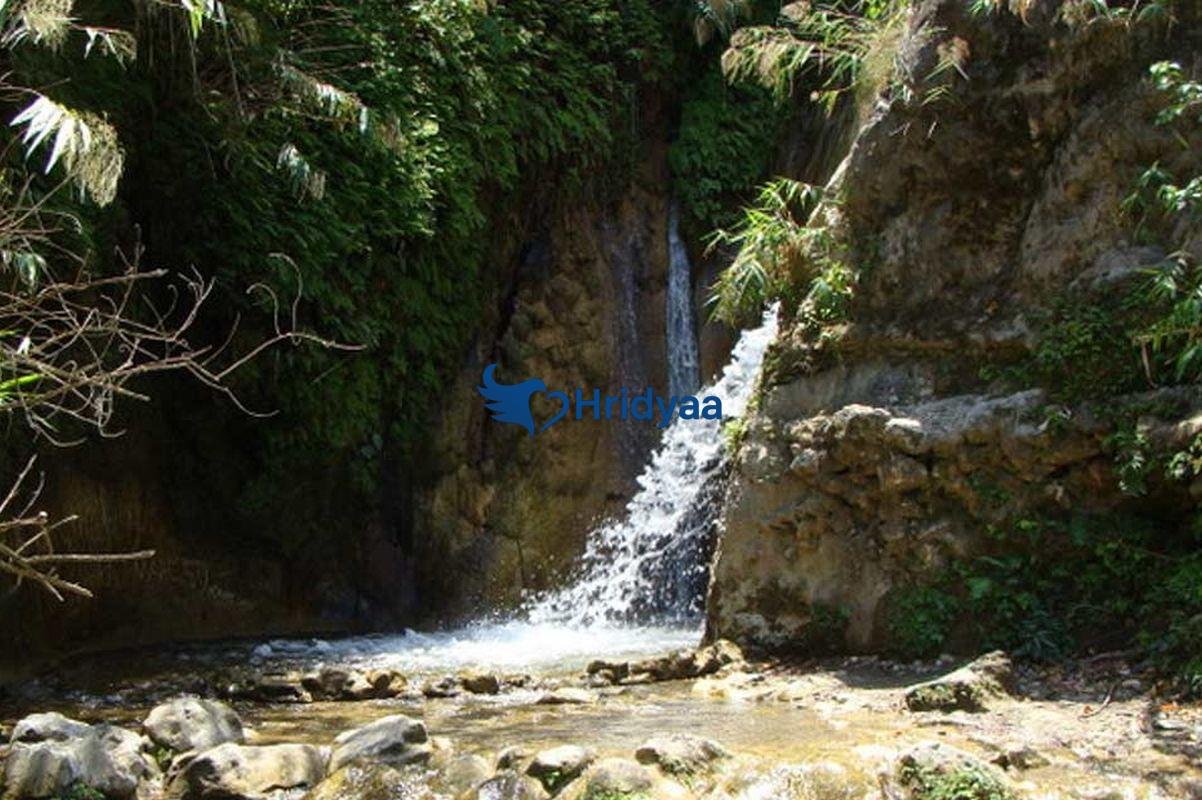
Garudchatti Waterfall is one of the lesser-known natural breaks from the spiritual and urban rhythm of Rishikesh. Unlike popular waterfalls promoted heavily on social media, this one remains understated, seasonal, and closely tied to the forest ecosystem of the lower Himalayan foothills. It is not a destination built for crowds or comfort, but a short forest detour that rewards travelers who value quiet nature over dramatic viewpoints. Understanding its reality is essential before planning a visit.
Where Exactly Is Garudchatti Waterfall Located?
Garudchatti Waterfall is located around 5–6 kilometers from central Rishikesh, along the Neelkanth Road, near Garud Chatti Temple. The waterfall lies inside a forested stretch that connects the river belt of Rishikesh with the interior hills leading toward Neelkanth Mahadev. Visitors must park near the roadside temple area and walk down a forest trail that leads to the stream. The waterfall itself is not visible from the road and requires a short but uneven descent.
Why This Place Matters Today
Today, Garudchatti Waterfall matters primarily as a local nature spot rather than a tourist landmark. It serves as a cooling forest escape during hot months and a rest point for walkers and pilgrims moving along the Neelkanth route. Its relevance lies in what it has not become — there is no commercial setup, no viewing platform, and no fixed infrastructure. In a town where many natural sites are increasingly crowded, this waterfall still reflects a more restrained interaction with nature.
What Travelers Often Get Wrong
The most common mistake travelers make is assuming Garudchatti Waterfall flows year-round. In reality, it is seasonal, with strong flow only during and shortly after the monsoon season. Another misconception is expecting a large cascade similar to popular Himalayan waterfalls. This is a modest, stream-fed fall. Visitors also underestimate the trail, which can be slippery and uneven, especially after rain. Those expecting signboards or facilities often leave disappointed.
Best Time to Visit and Seasonal Reality
The best time to visit Garudchatti Waterfall is from July to September, when monsoon rainfall feeds the stream and the surrounding forest is at its greenest. During this period, the water flow is visible and refreshing, but trails can be muddy and require caution. From October to March, the forest remains pleasant, but water flow reduces significantly. In peak summer months before monsoon, the waterfall may shrink to a trickle or dry up completely.
How to Reach Garudchatti Waterfall
Reaching Garudchatti Waterfall involves traveling by road from Rishikesh toward Neelkanth Mahadev. Taxis, scooters, and private vehicles can reach the parking area near Garud Chatti Temple. From there, a foot trail leads downhill into the forest. The walk takes around 10–15 minutes depending on pace. There is no public transport that drops directly at the trail entrance, making private or hired transport the most practical option.
Safety, Rules, and Local Guidelines
Visitors should treat this area as a natural forest zone, not a managed attraction. During monsoon-related high rainfall, rocks become slippery and flash flow can increase suddenly. Entering the stream during heavy rain is unsafe. There are no lifeguards, railings, or emergency services on site. Wearing shoes with good grip is essential, and visiting in daylight hours only is strongly advised. Littering is a serious concern here and should be strictly avoided.
What to Expect When You Actually Visit
On arrival, the first impression is the forest — dense trees, filtered sunlight, and natural quiet broken only by insects and flowing water. The waterfall itself is modest in scale, cascading over rocks into a shallow pool. There are no seating areas or clear boundaries, and visitors usually spend limited time here before returning. The experience feels informal and raw, shaped more by nature than by human planning. It is best enjoyed slowly and without expectations of spectacle.
Final Take: Is It Worth Visiting?
Garudchatti Waterfall is worth visiting if you understand what it offers — a brief, seasonal encounter with forest and water close to Rishikesh. It is not a must-see landmark, but it can be a meaningful pause for travelers who enjoy walking, quiet surroundings, and lesser-known spots. For those seeking dramatic views or year-round waterfalls, this may feel underwhelming. For those seeking simplicity, it delivers exactly that.


Join The Discussion