
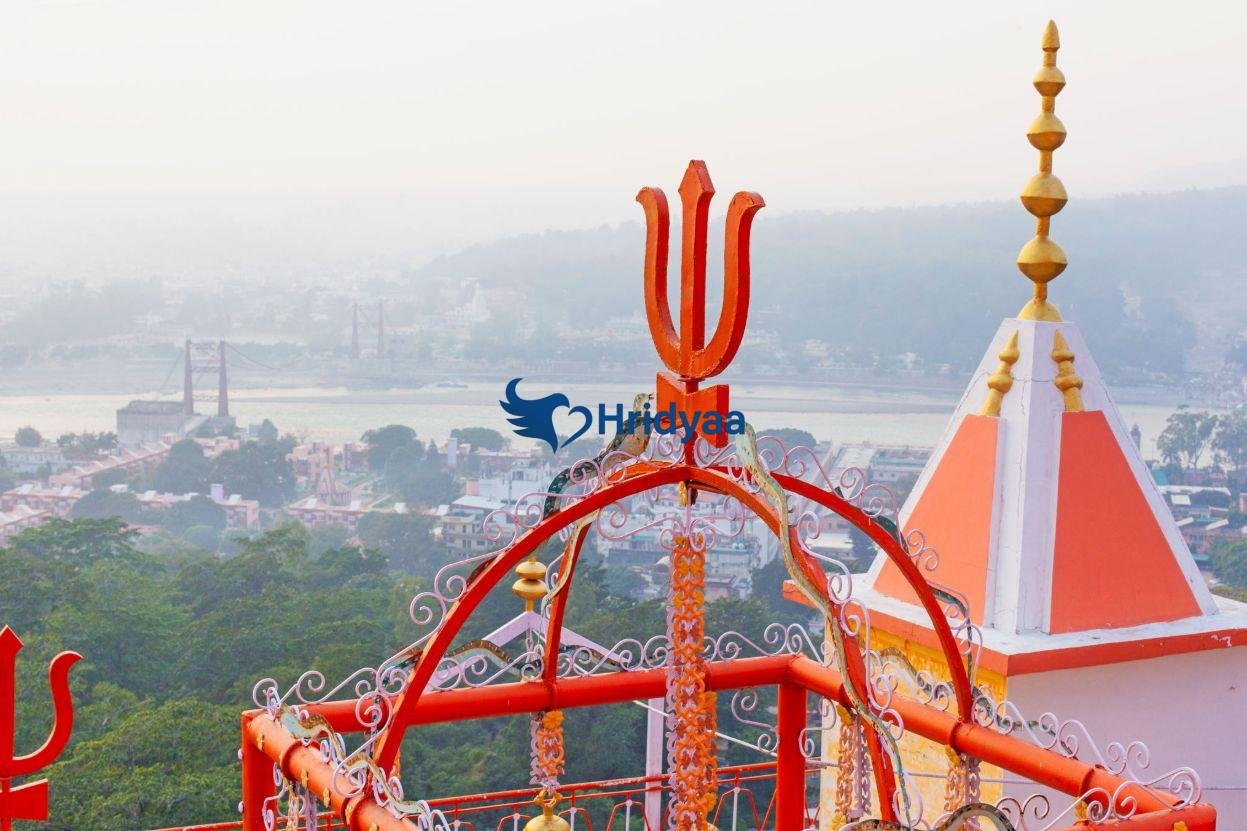
Bhootnath Temple is one of the lesser-known yet deeply respected Shiva temples in Rishikesh. It does not draw crowds like the riverfront ashrams or famous ghats, and it does not feature prominently in guidebooks. What it offers instead is quiet continuity—a place where local faith has remained unchanged despite the rapid transformation of Rishikesh around it.
Dedicated to Lord Shiva in his fierce and protective form, Bhootnath Temple is rooted in local belief systems that predate modern tourism in Rishikesh. The temple’s setting, close to residential areas and away from heavy commercial activity, reinforces its role as a neighborhood shrine rather than a destination built for visitors.
Understanding the Meaning of “Bhootnath”
The name “Bhootnath” often leads to misunderstanding among first-time visitors. In popular language, “bhoot” is loosely associated with ghosts, but in Shaivite tradition, it refers to elemental beings and attendants of Shiva. Bhootnath represents Shiva as the lord of all realms—seen and unseen—and as a guardian who dissolves fear rather than creating it.
This distinction matters. The temple is not associated with superstition or fear-based worship. Instead, locals visit Bhootnath Temple seeking protection, stability, and mental strength, especially during uncertain phases of life.
The Temple’s Place in Local Life
Bhootnath Temple is primarily visited by residents of Rishikesh rather than pilgrims from outside. Early mornings and evenings see a steady flow of devotees offering water, bilva leaves, and prayers to the Shiva lingam.
There are no organized ceremonies aimed at tourists. Worship here is simple, personal, and quiet. This is what gives the temple its authenticity. Visitors who arrive expecting grandeur may feel underwhelmed, but those seeking a grounded spiritual experience often find the atmosphere deeply calming.
Best Time to Visit Bhootnath Temple
The temple can be visited throughout the year, but certain periods offer a more comfortable experience.
From October to March, the weather is pleasant, making it ideal for morning or evening visits. The temple feels especially peaceful during winter mornings.
April to June brings intense heat, and midday visits can be physically draining. Early morning darshan is preferable during summer months.
The monsoon season from July to September enhances the natural surroundings, but humidity and occasional waterlogging in nearby areas can be inconvenient. Visiting after rainfall usually offers a quieter, reflective environment.
Mondays and the month of Shravan hold special importance for Shiva devotees, and the temple sees increased footfall during these times.
How to Visit Bhootnath Temple
Bhootnath Temple is easily accessible from central Rishikesh and nearby localities such as Tapovan. Auto-rickshaws and two-wheelers can take visitors close to the temple entrance, followed by a short walk.
The temple is not located on a major tourist circuit, which is why many visitors miss it altogether. Asking locals for directions is often more reliable than relying solely on navigation apps.
What Visitors Should Expect
The temple complex is modest, clean, and functional. There are no elaborate halls or decorative features designed for visual impact. Instead, the focus remains on the sanctum and uninterrupted worship.
Photography is usually discouraged inside the temple. Silence and respectful behavior are expected, as most visitors are locals engaged in personal prayer rather than sightseeing.
Bhootnath Temple and the Spiritual Fabric of Rishikesh
While Rishikesh is globally associated with yoga and meditation, temples like Bhootnath remind visitors that everyday Hindu worship remains central to the town’s spiritual identity. This is not performative spirituality—it is lived faith, practiced quietly and consistently.
Bhootnath Temple represents a layer of Rishikesh that exists beyond international attention, yet sustains the town’s spiritual rhythm at a local level.
Conclusion
Bhootnath Temple is not meant to impress; it is meant to endure. Its importance lies in its role as a guardian space for the local community and a reminder of Shiva’s protective presence in daily life. For travelers willing to step away from crowded spiritual landmarks, a visit to Bhootnath Temple offers a rare, honest encounter with the quieter soul of Rishikesh.


Join The Discussion