
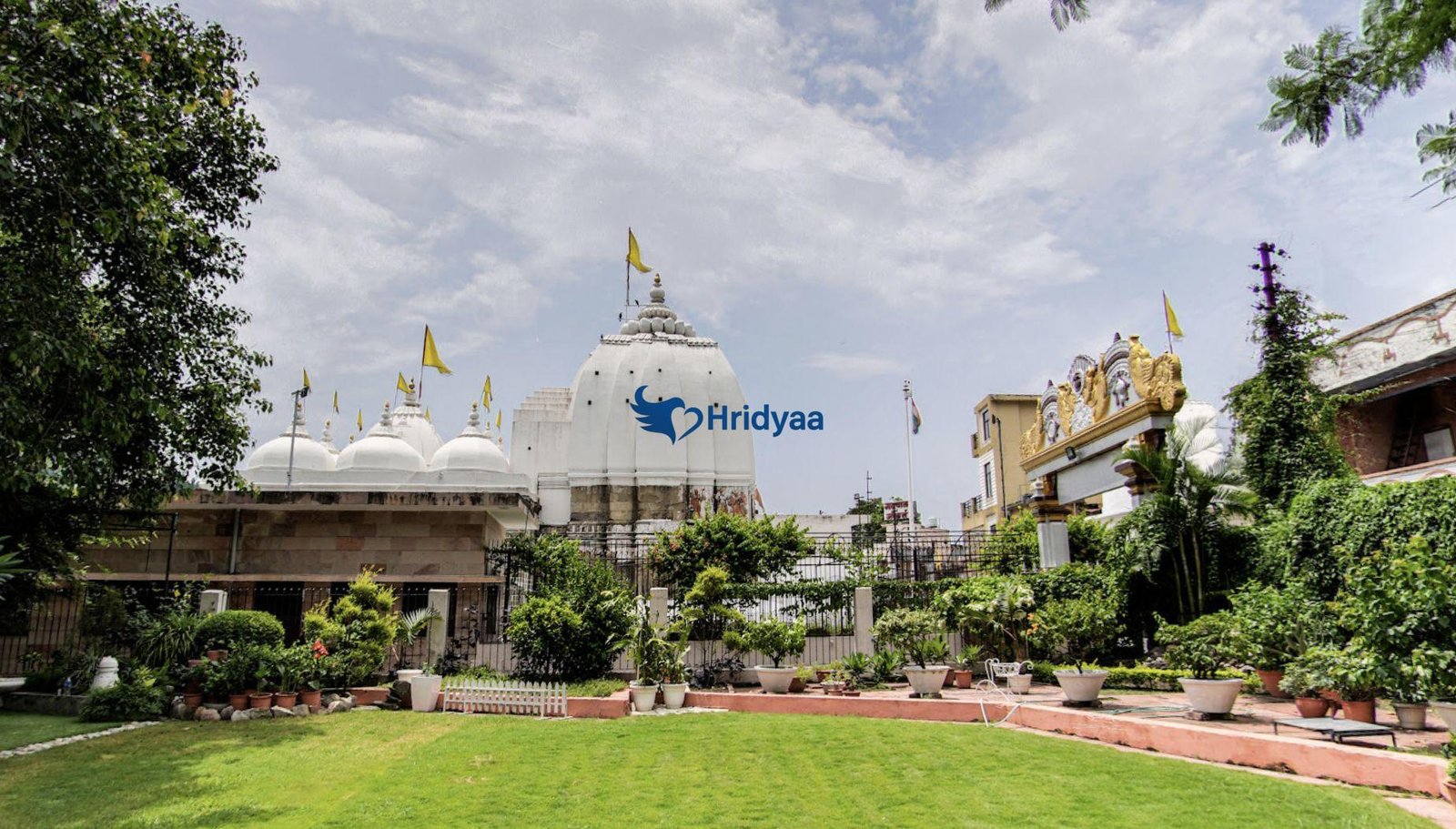
Bharat Mandir is widely regarded as the oldest temple in Rishikesh, yet it often remains absent from modern travel itineraries. Located away from suspension bridges and café-lined streets, the temple sits quietly within the old town, carrying centuries of religious continuity. Bharat Mandir is not about scale or spectacle; it is about origins. To understand how Rishikesh developed as a sacred town, this temple is foundational.
Where Exactly Is Bharat Mandir Located?
Bharat Mandir is situated in the old Rishikesh area, close to Triveni Ghat and the town’s traditional residential quarters. Unlike temples positioned along the riverbank, Bharat Mandir is slightly set back from the Ganga, embedded within narrow lanes and local life. Its location reflects an earlier phase of settlement, when temples formed the nucleus of community living rather than pilgrimage circuits.
Historical Background of Bharat Mandir
The history of Bharat Mandir is traditionally traced back to Adi Shankaracharya, who is believed to have re-established the temple in the 8th century CE. The presiding deity is Lord Vishnu, worshipped here in the form of Bharat, the brother of Lord Rama. According to tradition, the idol was carved from a single Saligram stone, lending the shrine exceptional religious significance. Over centuries, despite floods, invasions, and urban change, the temple has retained uninterrupted worship.
Why Bharat Mandir Matters Today
Today, Bharat Mandir functions as a living religious center rather than a tourist site. It plays a key role during major Hindu festivals, especially Basant Panchami, when the temple becomes the focal point of town-wide processions. Its importance lies in continuity — rituals here are performed in traditional ways, largely unchanged by tourism trends. For locals, Bharat Mandir is a spiritual anchor; for visitors, it offers insight into pre-modern Rishikesh.
What Travelers Often Get Wrong
Many travelers assume Bharat Mandir is either closed to outsiders or too small to matter. Others expect ornate architecture and are surprised by its restrained design. Another common misunderstanding is confusing it with newer Vishnu temples in the region. Bharat Mandir’s value is historical and ritual, not visual grandeur. Approaching it with sightseeing expectations often leads to misjudgment.
Best Time to Visit and Seasonal Reality
Bharat Mandir can be visited throughout the year. The most comfortable months are October to March, when temperatures are pleasant and footfall is moderate. Summers bring higher daytime heat, though early mornings remain suitable. During the monsoon season, access lanes may feel congested, but the temple itself remains open. Visiting during Basant Panchami offers cultural depth but also significant crowds.
How to Reach Bharat Mandir
Reaching Bharat Mandir is easiest on foot if you are already near Triveni Ghat or the old market areas. Auto-rickshaws and taxis can drop visitors nearby, but the final approach must be done through narrow lanes. The temple is well known to locals, and asking for directions is usually more effective than relying on signboards.
Rules, Etiquette, and Local Guidelines
Footwear must be removed before entering Bharat Mandir. Modest clothing is strongly advised, as this is a daily worship space for residents. Photography inside the sanctum is restricted. During aartis and festival rituals, visitors are expected to stand aside and allow local devotees priority. Maintaining silence and patience is part of the experience.
What to Expect When You Actually Visit
The atmosphere inside Bharat Mandir is calm and grounded. There are no loud announcements or organized queues outside festival days. Priests perform rituals steadily, and devotees arrive, pray briefly, and leave. The space feels intimate, shaped by routine rather than occasion. Surrounding sounds of old-town life filter in, reinforcing the sense that this temple belongs to the town, not to tourism.
Bharat Mandir and the Cultural Identity of Rishikesh
More than any single landmark, Bharat Mandir represents the cultural starting point of Rishikesh. It predates bridges, ashrams, and modern pilgrimage circuits. Understanding this temple helps contextualize why Rishikesh evolved as a Vaishnava and later ascetic center. It connects mythology, history, and living practice in one understated space.
Final Take: Is Bharat Mandir Worth Visiting?
Bharat Mandir Rishikesh is worth visiting if you are interested in origins rather than highlights. It will not impress visually, but it informs everything else you see in the town. For travelers who want to understand Rishikesh beyond surface spirituality, Bharat Mandir offers depth, continuity, and quiet authority.


Join The Discussion