
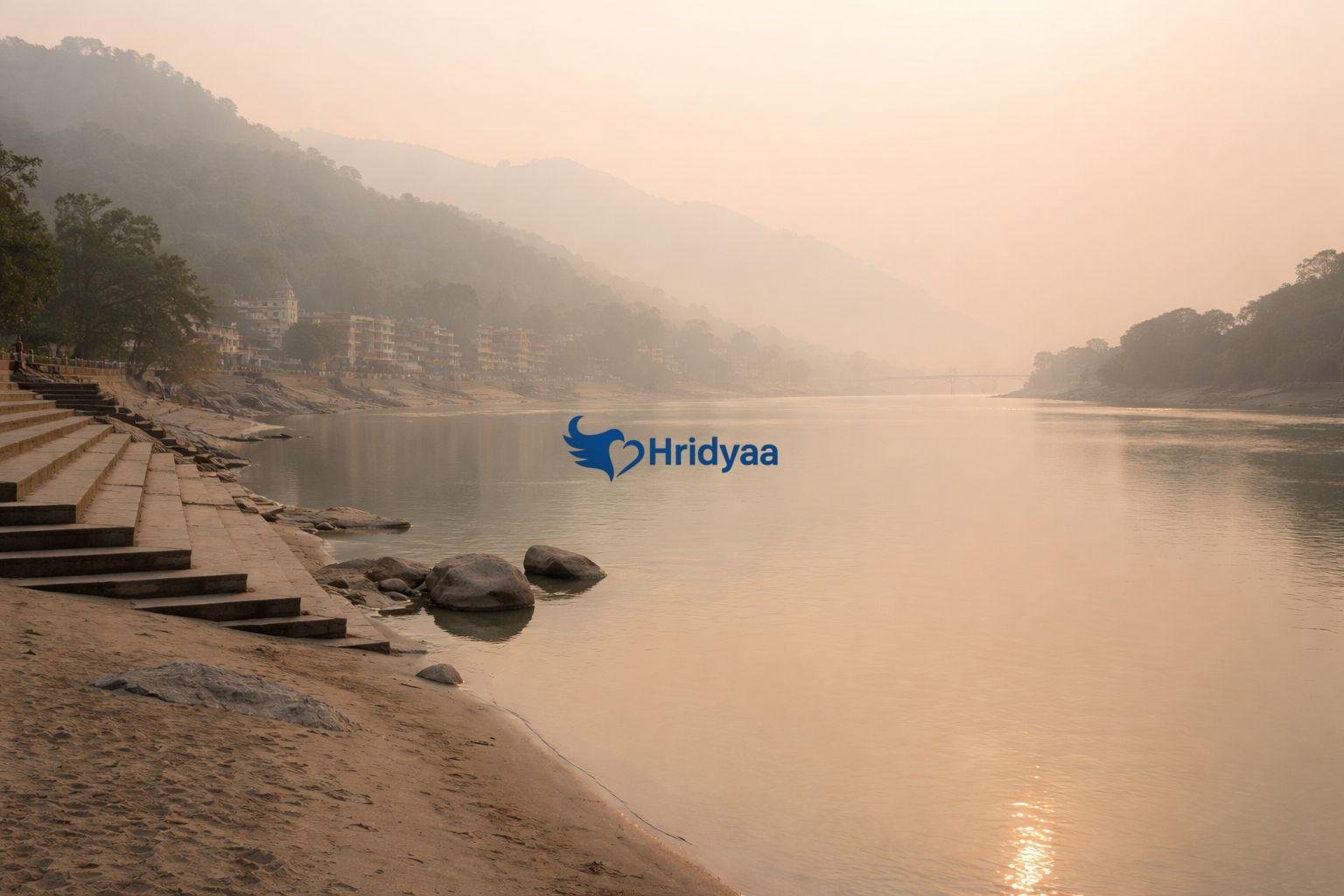
The One Decision That Changes Your Entire Rishikesh Experience
Choosing between Tapovan, Ram Jhula, and Swarg Ashram affects how Rishikesh feels — not just where you sleep.
If you’re planning a stay in Rishikesh, here’s the reassurance most travelers need upfront:
For most first-time visitors, Tapovan feels the most convenient — but Ram Jhula or Swarg Ashram may suit you better depending on how you want Rishikesh to feel.
Quick answer: Tapovan suits social, short-stay travelers; Ram Jhula works best for balanced first-time visits; Swarg Ashram is ideal for quiet, traditional stays.
That single choice shapes everything that follows — your mornings, your sleep, your food options, even whether Rishikesh feels calming or chaotic.
This isn’t a hotel problem.
It’s a location mismatch.
Why “Best Area to Stay” Is the Wrong Question (But We’ll Answer It Anyway)
Rishikesh doesn’t have one best area.
It has three very different versions of daily life.
Some areas wake up buzzing with cafés and scooters. Others move at a steady, traditional pace. A few shut down early and expect you to do the same. When travelers say they didn’t enjoy Rishikesh, it’s rarely because the town disappointed them — it’s because they stayed in an area that didn’t match their expectations.
Same town. Completely different mornings.
If you’re unfamiliar with how these areas connect — bridges, walking distances, and daily movement — getting basic orientation from a Rishikesh Travel Guide helps before locking accommodation decisions.
Understanding Rishikesh’s Main Stay Areas (Without Overcomplication)
On the map, Tapovan, Ram Jhula, and Swarg Ashram sit close together.
In reality, they function on different rhythms.
Tapovan leans modern and social, shaped by cafés, yoga schools, hostels, and constant foot traffic. Ram Jhula sits at the center, balancing pilgrim life with tourism and offering the most flexible access. Swarg Ashram operates on an older, quieter wavelength — pedestrian-only, routine-driven, and deliberately slow.
Photos won’t show you this difference.
Staying there will.
Staying in Tapovan – Popular, Convenient, and Often Misunderstood
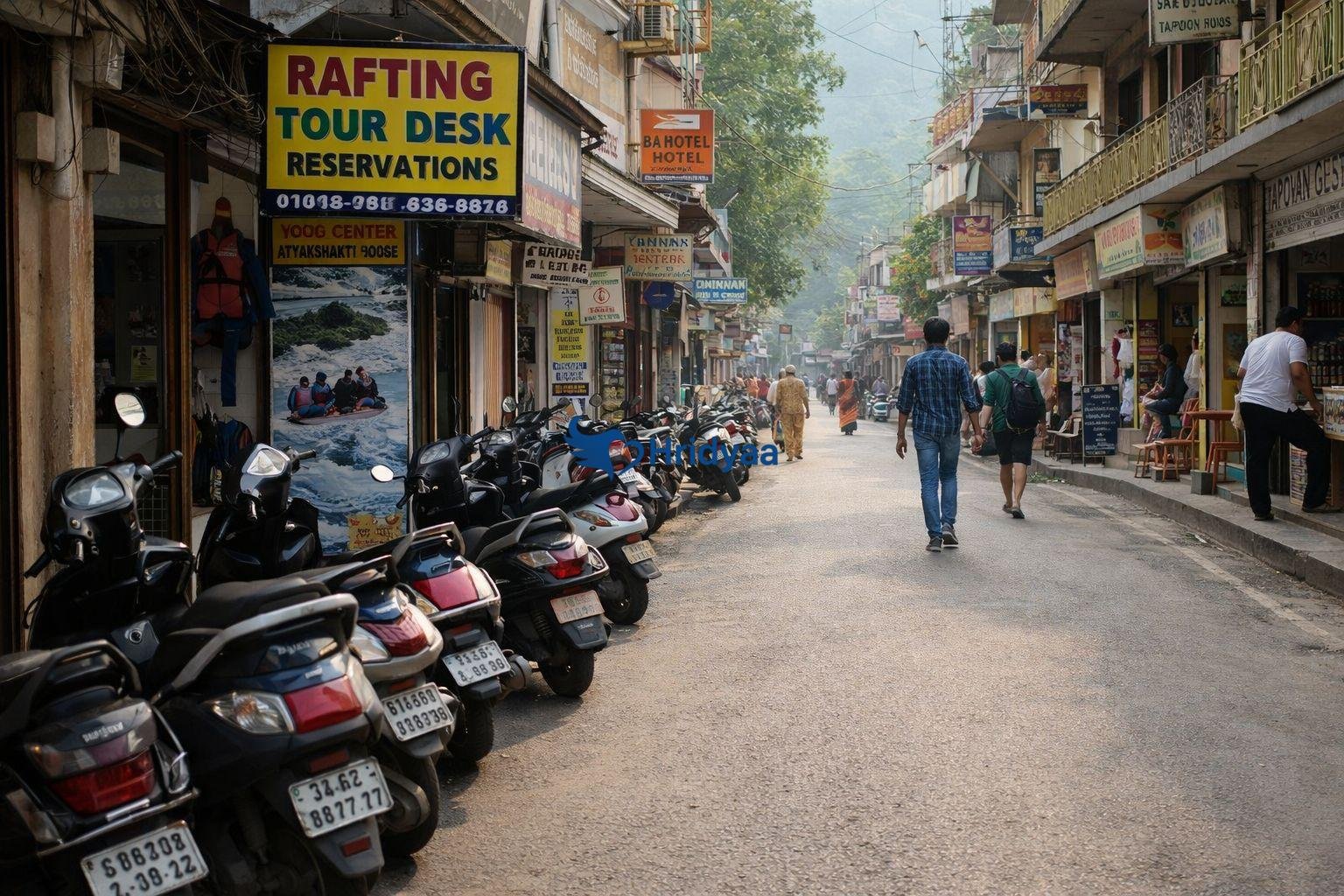
Tapovan is the most searched area in Rishikesh — and also the one that creates the most mixed reactions.
Days here start early and fill fast. Cafés open by morning, yoga classes overlap with breakfast crowds, and scooters line the narrow roads. Everything feels close and accessible, which is exactly why first-time visitors and short-stay travelers gravitate here.
If your trip includes activities like River Rafting in Rishikesh, Tapovan’s connectivity and transport options make logistics easier, especially on tight schedules.
But Tapovan has a reality many guides gloss over.
It rarely goes quiet.
Evenings carry traffic noise, café chatter, and steady movement — amplified on weekends. Travelers arriving with a retreat mindset often feel disappointed, not because Tapovan is chaotic, but because it’s designed for activity, not silence.
Most negative reviews about Rishikesh come from travelers who stayed in Tapovan expecting silence.
That misunderstanding alone shapes how people judge the entire town.
Tapovan Verdict
Who Tapovan is best for: First-time visitors on short trips, solo travelers, café lovers, yoga students, and those planning adventure activities.
Who should avoid Tapovan: Travelers seeking silence, early nights, retreat-style calm, or minimal foot traffic.
Bottom line: Tapovan works best for convenience and social energy — not for deep quiet or withdrawal-style stays.
Why Ram Jhula Is Quietly the Safest Choice for First-Time Visitors
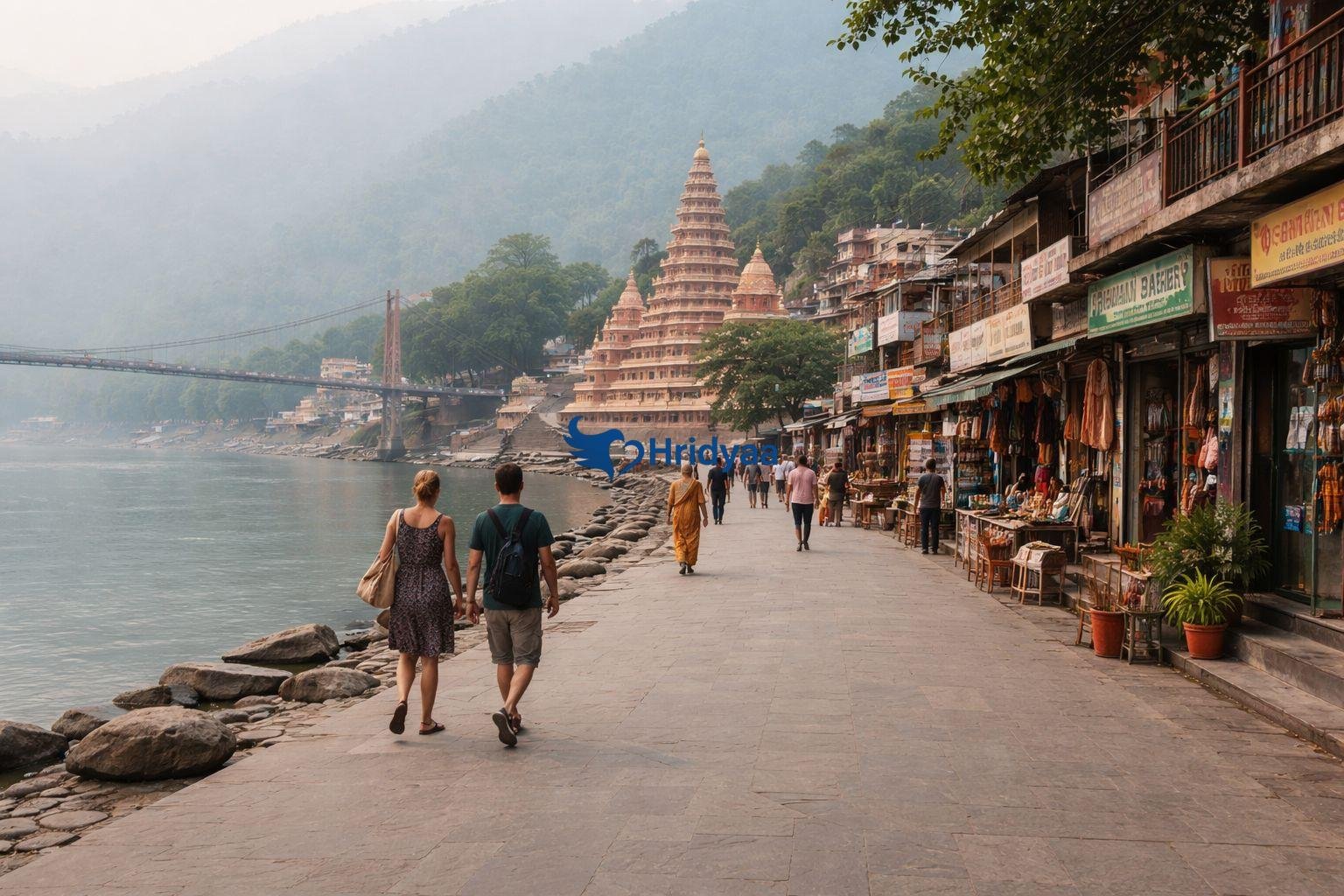
If Tapovan feels energetic and Swarg Ashram feels restrained, Ram Jhula sits calmly in between.
For many travelers, this is actually the most comfortable introduction to Rishikesh — even though it’s rarely marketed as such.
Quick answer: Ram Jhula suits travelers who want balance — central access, walkability, and calmer nights without giving up flexibility.
This is the area people often wish they had chosen after staying elsewhere.
What Staying Near Ram Jhula Feels Like (Day to Day)
Mornings near Ram Jhula are slower than Tapovan but not silent. You’ll hear temple bells, light traffic, and the river — not café music or late-night chatter. Days feel steady rather than rushed.
Because Ram Jhula connects both sides of Rishikesh physically and socially, you’re rarely stuck on one “version” of the town. You can walk toward Tapovan when you want cafés or activity, and drift toward quieter ghats when you don’t.
Evenings here settle naturally.
Shops close earlier than Tapovan, but not abruptly. Streets empty gradually. Sleep comes easier for most people, especially light sleepers who still want accessibility.
Same river. Less noise.
Why Ram Jhula Works Better Than Expected
Ram Jhula’s biggest advantage is flexibility without overload.
You’re close enough to experience activity without being trapped inside it. For trips longer than two days, this balance becomes noticeable. You’re not recovering from crowds, and you’re not adjusting to restrictions either.
Travelers staying three to four days — especially couples and families — often find this area easier to live in than Tapovan, and far less limiting than Swarg Ashram.
If you’re exploring Rishikesh slowly, or using it as a base to understand how different areas connect, staying near Ram Jhula makes the learning curve gentler. It also pairs well with structured planning from a Rishikesh Travel Guide, since you can move outward in any direction without friction.
Ram Jhula Limitations (Important to Know)
Ram Jhula isn’t trendy.
You won’t find the café density or nightlife energy that Tapovan offers. If your idea of Rishikesh includes hopping between modern cafés or late dinners, this area may feel subdued.
At the same time, it doesn’t offer the total withdrawal Swarg Ashram provides. There’s movement, vendors, and daily life — just not amplified.
This middle-ground nature is exactly why it works for many — and why it disappoints travelers looking for extremes.
Ram Jhula Verdict
Who Ram Jhula is best for: First-time visitors, couples, families, travelers staying 3–4 days, and those wanting balance over buzz.
Who may not enjoy Ram Jhula: Nightlife seekers, café-centric travelers, or those wanting complete retreat-style silence.
Bottom line: Ram Jhula is the most balanced area to stay in Rishikesh — central, calmer than Tapovan, and more flexible than Swarg Ashram.
Staying in Swarg Ashram – Quiet, Traditional, and Often Restrictive
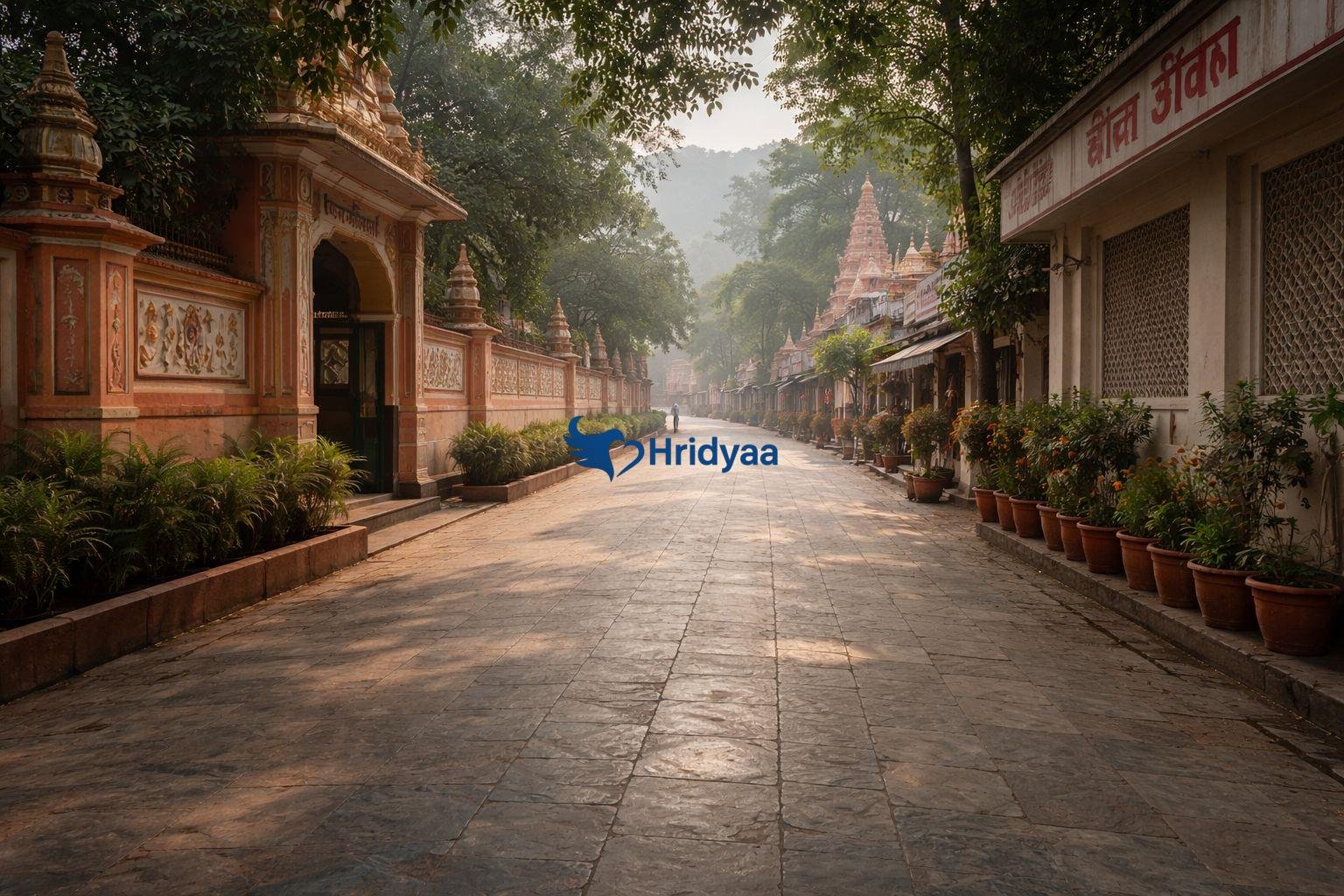
Why Swarg Ashram Feels Like a Different Town Altogether
Staying in Swarg Ashram doesn’t feel like staying in another neighborhood of Rishikesh.
It feels like opting into a different rulebook.
Quick answer: Swarg Ashram suits travelers seeking silence, routine, and spiritual structure — but often feels limiting for first-time or short-stay visitors.
This is the quietest of the three main areas, but that quiet comes with conditions.
What Daily Life in Swarg Ashram Actually Feels Like
Mornings in Swarg Ashram are unmistakably calm. There’s no vehicle traffic, no honking, no café music drifting through open doors. Movement is slow and deliberate. Most people walk with purpose, not urgency.
Ashram schedules shape the day. Meals have fixed times. Evenings wind down early. After sunset, the area grows noticeably still — not empty, but subdued.
For some travelers, this feels grounding.
For others, it feels restrictive within a day or two.
This isn’t accidental. Swarg Ashram is designed around spiritual discipline, not convenience or flexibility.
Why Some Travelers Love Swarg Ashram Deeply
If your trip is centered around spiritual practice, silence, or structured routine, Swarg Ashram can feel exactly right.
Being close to places like Parmarth Niketan allows easy participation in daily aarti and ashram life without crossing busy zones. For seniors, long-stay visitors, or those intentionally stepping away from stimulation, the pedestrian-only environment reduces fatigue and mental clutter.
This area rewards people who arrive knowing what they want — and are comfortable with less choice.
Silence here isn’t a bonus.
It’s the expectation.
Why Swarg Ashram Disappoints Many First-Time Visitors
The same qualities that make Swarg Ashram appealing to some create friction for others.
Food options are limited and close early. Casual café culture is almost absent. Crossing into Tapovan or Ram Jhula requires walking bridges, which feels charming once — and tiring repeatedly.
Travelers staying only one or two nights often feel boxed in, especially if they’re still exploring what kind of Rishikesh experience they want.
This is where regret usually shows up.
People don’t dislike Swarg Ashram — they dislike ending up there by accident.
Swarg Ashram Verdict (Clear & Extractable)
Who Swarg Ashram is best for: Spiritual seekers, long-stay travelers, seniors, and those intentionally avoiding crowds and noise.
Who should avoid Swarg Ashram: First-time visitors, short trips, café lovers, late eaters, and travelers wanting flexibility.
Bottom line: Swarg Ashram offers calm and routine, but feels restrictive unless you specifically want that structure.
Tapovan vs Ram Jhula vs Swarg Ashram – How the Stay Actually Feels Day to Day
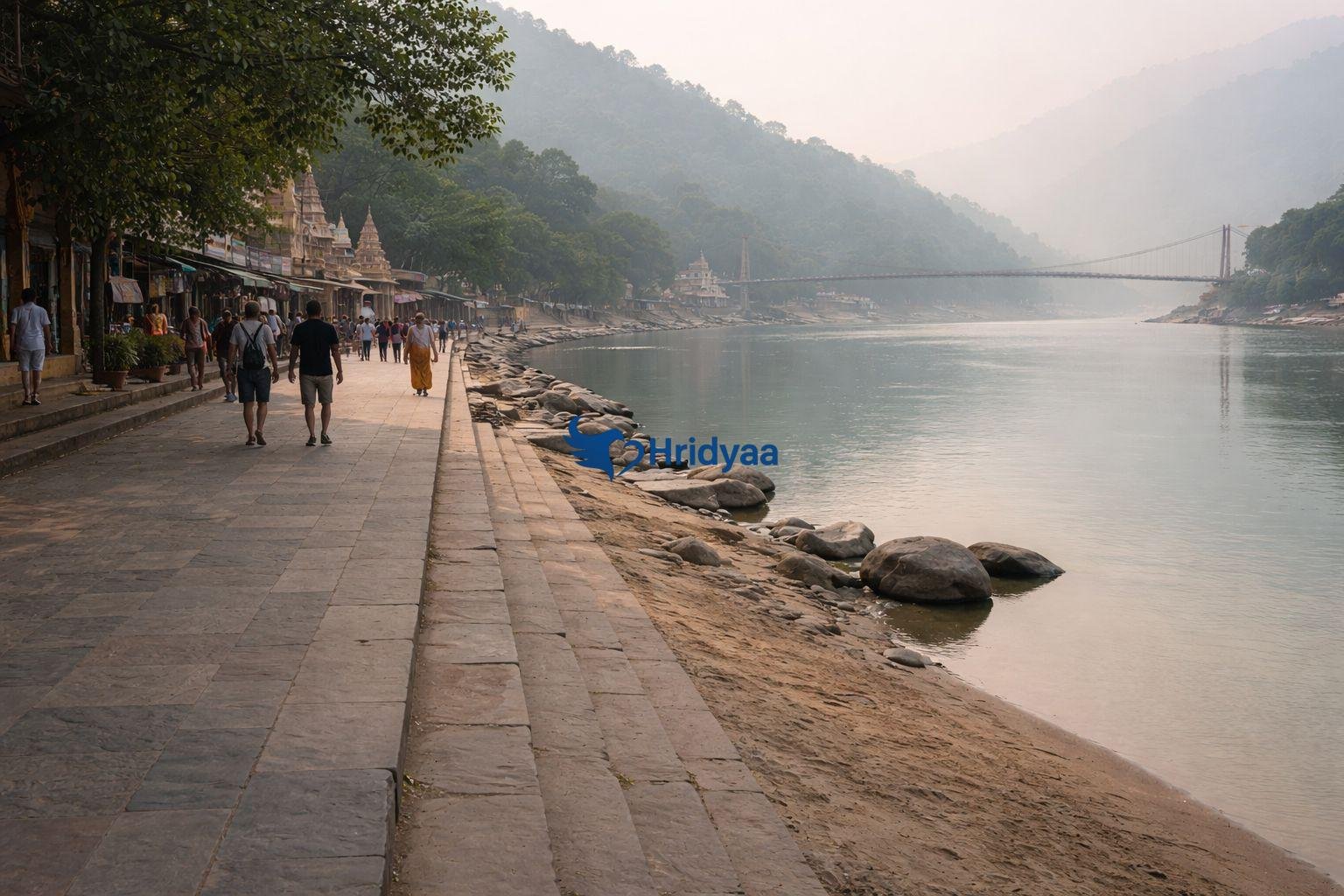
If you’re choosing between Tapovan, Ram Jhula, and Swarg Ashram in Rishikesh, the map won’t help you much.
Distances are short.
Photos look similar.
But daily life feels completely different in each area.
This section breaks that difference down in practical terms — the kind that actually affects your mood by day two.
How Mornings Feel in Each Area
Mornings define Rishikesh more than evenings.
In Tapovan, mornings are active from early hours. Cafés open quickly, yoga groups gather, scooters move constantly. There’s energy, momentum, and a sense that the day has already started without you.
Near Ram Jhula, mornings are slower and more grounded. You’ll hear temple bells, light local movement, and the river itself. It feels awake — but not demanding.
Swarg Ashram mornings are the quietest. Footsteps replace engines. Schedules are internal rather than social. If you like beginning the day without stimulation, this is where that happens naturally.
Same sunrise.
Different headspace.
Food Access and Eating Rhythm
Tapovan offers the widest range of food options at all hours. Late breakfasts, café hopping, and flexible dinner timings are easy here.
Ram Jhula offers enough variety without excess. Meals feel routine rather than recreational. You eat because it’s time — not because everything is calling you.
Swarg Ashram operates on fixed windows. Food choices are limited, often tied to ashram timings. Miss a meal window, and options shrink quickly.
This matters more than people expect — especially on longer stays.
Crowd Movement and Mental Fatigue
Tapovan stays busy throughout the day, with peaks in the afternoon and evening. Even when nothing is “wrong,” constant motion can become tiring after two days.
Ram Jhula absorbs crowds rather than amplifying them. Movement exists, but it disperses. You notice people — not pressure.
Swarg Ashram minimizes crowd impact by design. There’s foot traffic, but it’s purposeful and quiet. For some, this is relief. For others, it feels isolating.
Crowds don’t just affect noise.
They affect how long you want to stay out.
Sleep Quality and Evenings
Tapovan evenings are lively. Café chatter, movement, and light traffic extend into the night. Some travelers enjoy the buzz. Light sleepers often don’t.
Ram Jhula settles earlier. Shops close gradually, streets thin out, and nights feel calmer without becoming inactive.
Swarg Ashram goes quiet early. Very early. Nights are peaceful — but rigid. If you enjoy late walks or spontaneous plans, this can feel restrictive.
Walkability and Daily Effort
Tapovan feels compact, but repeated walking through busy lanes adds up. Crossing bridges during peak hours can feel slow.
Ram Jhula is the most forgiving in terms of movement. You can walk toward activity or away from it without committing fully.
Swarg Ashram requires deliberate walking. Bridges become part of your daily routine. What feels scenic on day one can feel tiring by day three.
The Real Difference (What Most Guides Miss)
Tapovan asks for your attention.
Ram Jhula allows you to choose where to place it.
Swarg Ashram limits your options on purpose.
None of these are wrong.
They’re just very different ways of experiencing the same town.
Best Area to Stay in Rishikesh Based on Your Travel Type

If you’re still unsure where to stay in Rishikesh, the fastest way to decide is to stop comparing areas — and start identifying how you travel.
Different travel styles experience the same area very differently. This section gives clear, one-line answers without qualifiers or fluff.
Best Area for First-Time Visitors
Ram Jhula is the safest and most balanced choice for first-time travelers.
It offers central access without overwhelming energy, calmer nights than Tapovan, and far more flexibility than Swarg Ashram. You can explore all sides of Rishikesh without feeling trapped in one mood.
If it’s your first visit and you’re unsure what you want yet, Ram Jhula forgives mistakes.
Best Area for Solo Travelers
Tapovan works best for solo travelers on short to medium stays.
The social atmosphere, café culture, yoga schools, and walkability make it easy to connect, plan activities, and stay mentally stimulated. This is especially useful for those combining yoga, cafés, and experiences like River Rafting in Rishikesh into a compact trip.
Solo travelers seeking silence should look elsewhere — but those wanting movement usually thrive here.
Best Area for Couples
Ram Jhula suits couples better than the other two areas.
It provides calm evenings, walkable river access, and enough dining choice without constant noise. Tapovan can feel too busy, while Swarg Ashram can feel too restrictive unless both partners want strict quiet.
For shared mornings and relaxed pacing, Ram Jhula wins.
Best Area for Families
Ram Jhula is again the most practical choice for families.
Distances feel manageable, food access is predictable, and evenings are quieter. Swarg Ashram can work for families seeking spiritual routine, but it limits flexibility. Tapovan’s crowds and noise often become tiring with children or elders.
Families benefit most from balance, not extremes.
Best Area for Spiritual Seekers
Swarg Ashram is the clear choice for spiritual-focused stays.
Its pedestrian-only layout, ashram culture, and proximity to places like Parmarth Niketan support routine, discipline, and silence. This area rewards intention — not exploration.
It works best when chosen deliberately, not accidentally.
Best Area for Long Stays or Slow Travel
Swarg Ashram or Ram Jhula, depending on temperament.
Those who enjoy structure, routine, and reduced stimulation gravitate toward Swarg Ashram. Those who want calm without confinement prefer Ram Jhula. Tapovan often becomes draining over long stays unless social energy is a priority.
Long stays magnify location strengths — and weaknesses.
One Pattern Is Clear
Tapovan energizes.
Ram Jhula stabilizes.
Swarg Ashram disciplines.
There’s no universal best area — only the best match.
Final Verdict: Which Is the Best Area to Stay in Rishikesh?
If you’re still torn between Tapovan, Ram Jhula, and Swarg Ashram, here’s the clearest possible truth about staying in Rishikesh:
There is no universally best area — but there is a wrong area for the wrong traveler.
Most disappointment in Rishikesh doesn’t come from bad hotels.
It comes from choosing a location that fights your expectations every single day.
The Simplest Way to Choose (If You Remember Nothing Else)
If you want Rishikesh to feel alive, social, and convenient, choose Tapovan.
If you want it to feel balanced, walkable, and calm without restrictions, choose Ram Jhula.
If you want it to feel quiet, structured, and spiritually focused, choose Swarg Ashram.
Same town.
Three completely different lived experiences.
One-Line Decisions
- Tapovan → Best for short stays, solo travelers, café lovers, yoga students, and activity-based trips
- Ram Jhula → Best for first-time visitors, couples, families, and balanced itineraries
- Swarg Ashram → Best for spiritual seekers, seniors, long stays, and intentional quiet
If you align your stay with how you actually live day to day, Rishikesh rarely disappoints.
The Mistake to Avoid at All Costs
Don’t book Tapovan expecting retreat-style silence.
Don’t book Swarg Ashram for a rushed weekend.
And don’t ignore Ram Jhula just because it isn’t hyped online.
That middle choice quietly solves most problems.

The Honest Closing Thought
Rishikesh doesn’t impress by force.
It grows on you — or pushes back — depending on where you base yourself.
Choose the area that supports your rhythm, not the one that looks best in photos.
That single decision will decide whether Rishikesh feels chaotic…
or quietly transformative.


Join The Discussion