
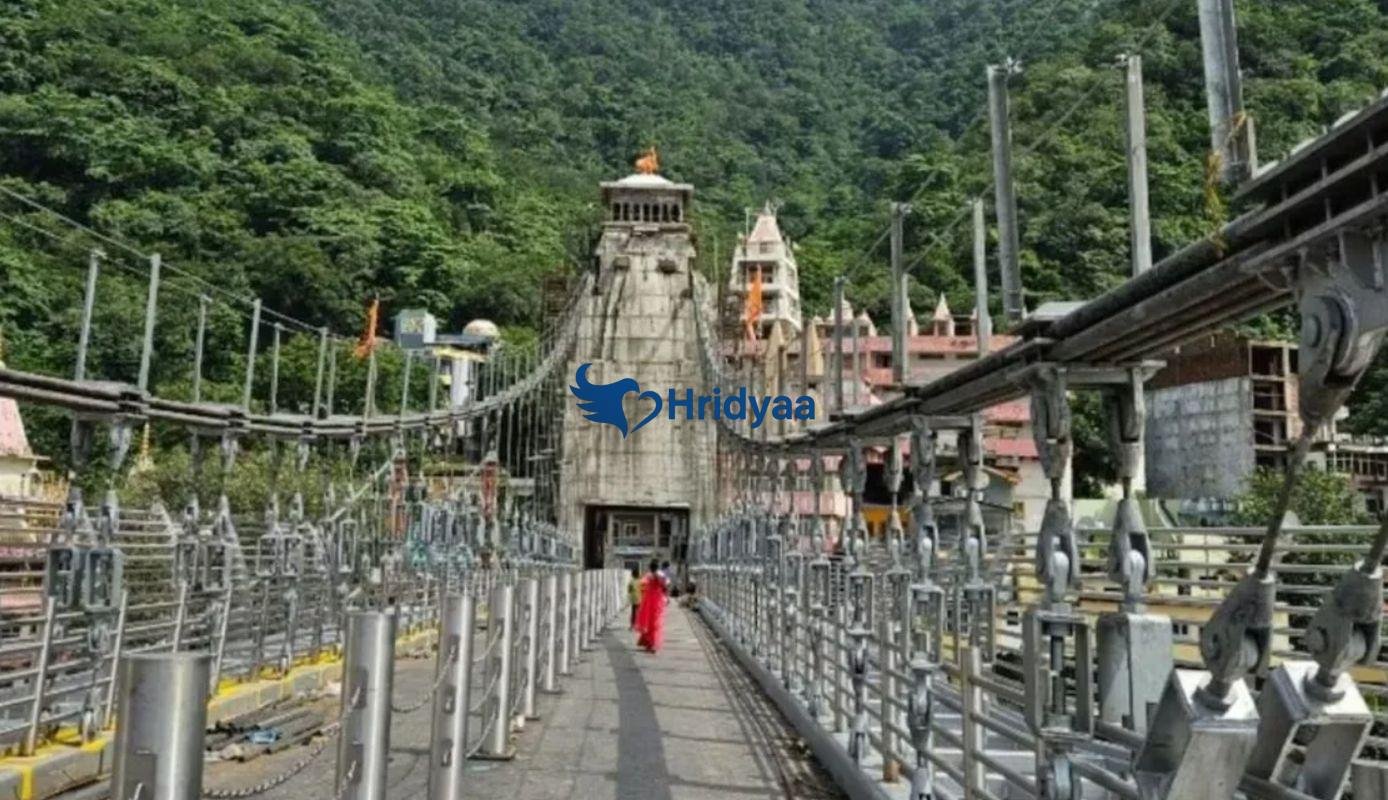
Bajrang Setu is the newly constructed bridge built as a permanent replacement for the historic Lakshman Jhula, which was closed in 2019 due to serious structural safety concerns. For travelers returning to Rishikesh after a gap, this change often causes confusion. Bajrang Setu now performs the role Lakshman Jhula once did—connecting the two spiritual and cultural halves of the town across the Ganga.
Unlike the old suspension bridge, Bajrang Setu is a modern, wide, load-bearing structure designed to safely handle both pedestrian movement and vehicular traffic. It reflects a shift in Rishikesh from heritage-era infrastructure to practical, safety-focused urban planning.
Why Bajrang Setu Exists
Lakshman Jhula was closed after engineers declared it unsafe for use. Despite its emotional and religious importance, reopening it was not viable without complete reconstruction. Bajrang Setu was therefore planned and built nearby to restore connectivity between areas like Tapovan, Jonk, and the main Rishikesh town.
This is not a symbolic bridge; it is a functional replacement. Pilgrims, local residents, two-wheelers, cars, and emergency vehicles now rely on Bajrang Setu for daily movement.
What Travelers Need to Understand Clearly
Many visitors still arrive expecting to walk across Lakshman Jhula. That is no longer possible. The old bridge remains closed and fenced off. Bajrang Setu is the crossing point you will actually use.
However, Bajrang Setu does not recreate the narrow, hanging-bridge experience of Lakshman Jhula. It feels more like a modern city bridge than a heritage landmark. The views of the Ganga are broader and open, but the atmosphere is different—less intimate, more practical.
Best Time to Visit Bajrang Setu
Because Bajrang Setu is an active bridge rather than a sightseeing structure, timing matters.
From October to March, the weather is comfortable, and walking across the bridge is easiest. Early mornings offer the calmest experience, with soft light over the Ganga and minimal traffic.
April to June sees heavy tourist inflow in Rishikesh and Tapovan. During these months, Bajrang Setu often experiences congestion, especially in the afternoon and evening.
During the monsoon season from July to September, the Ganga runs high and fast. While the bridge remains safe and operational, stopping for long periods is discouraged due to traffic and weather conditions.
How to Visit Bajrang Setu
Bajrang Setu is located in the Lakshman Jhula area and is easily reachable from central Rishikesh, Tapovan, and Swarg Ashram. Local auto-rickshaws, shared taxis, and two-wheelers regularly use this route.
If you are walking between Tapovan and the Lakshman Jhula market side, this bridge is now the primary pedestrian crossing. Vehicles are allowed, so awareness and caution are important while crossing on foot.
For visitors arriving by road from Haridwar or Dehradun, navigation apps now route traffic via Bajrang Setu instead of Lakshman Jhula.
Safety and Practical Observations
Bajrang Setu is significantly safer than the old suspension bridge, especially during peak load hours. Railings, road width, and structural support are designed for modern traffic volumes.
Photography is possible but should be done responsibly without obstructing movement. Unlike the old bridge, lingering in the middle is not advisable during busy hours.
Bajrang Setu and the Changing Face of Rishikesh
Bajrang Setu quietly marks a transition in Rishikesh. It represents the town’s effort to balance tradition with safety and urban growth. While Lakshman Jhula remains emotionally important, Bajrang Setu is now the real connector—used daily by locals, pilgrims, sadhus, and travelers alike.
Understanding this shift helps visitors navigate Rishikesh without disappointment or confusion.
Conclusion
Bajrang Setu is not just a new bridge; it is the present reality of movement in Rishikesh. Built in place of the closed Lakshman Jhula, it restores connectivity across the Ganga in a safer, more practical form. Travelers who approach it with correct expectations will find it an essential part of experiencing modern-day Rishikesh, where faith, daily life, and infrastructure now meet in a new way.


Join The Discussion