
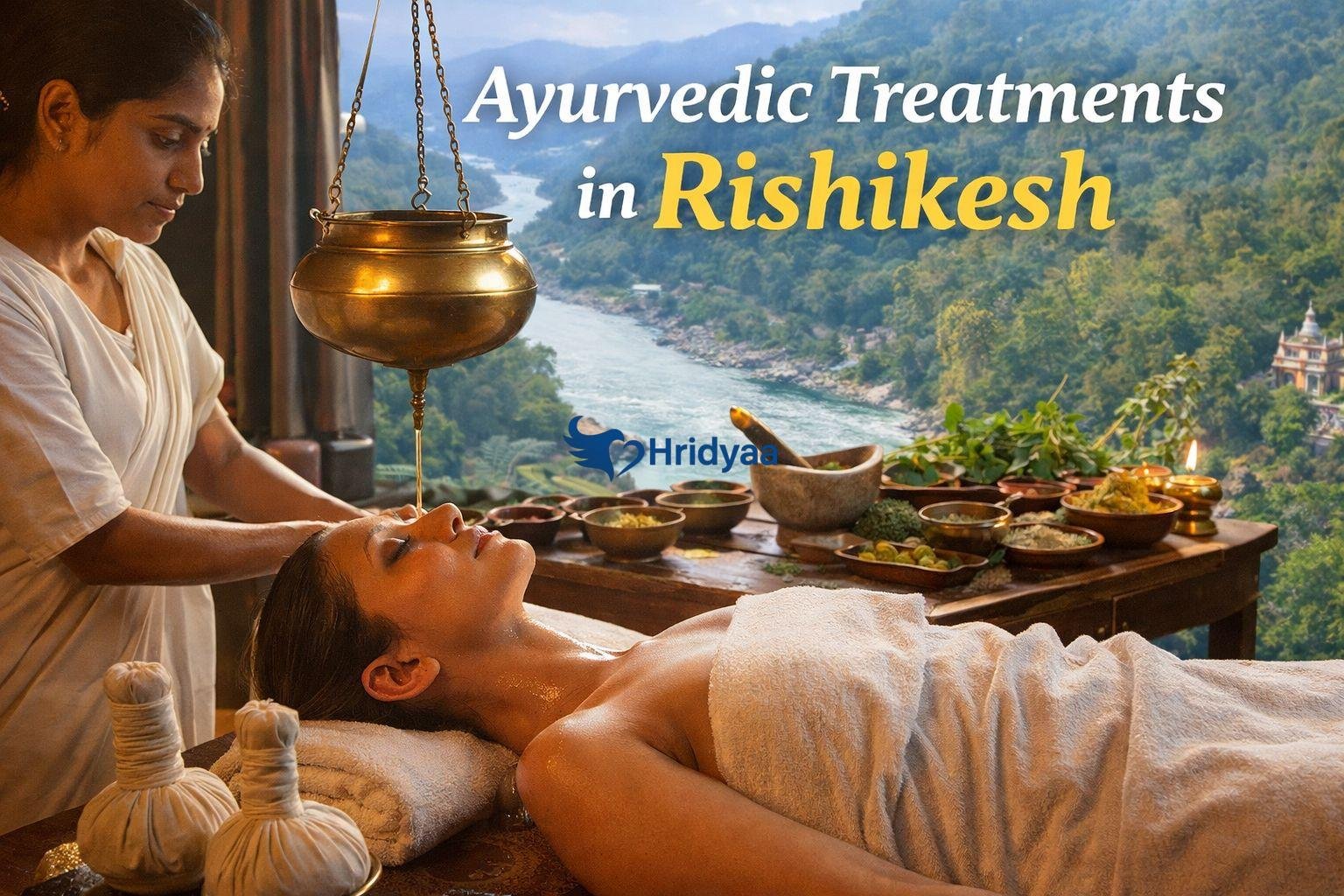
Ayurvedic treatments in Rishikesh are often spoken about in the same breath as yoga and meditation, but they function on a very different foundation. Ayurveda here is not a spa trend or wellness add-on; it is a living medical tradition practiced in clinics, ashrams, and residential healing centers. Rooted in classical texts and supported by the region’s climate, herbs, and disciplined lifestyle, Ayurveda in Rishikesh attracts people seeking long-term healing rather than instant relaxation.
Why Rishikesh Is Important for Ayurveda
Rishikesh sits at the edge of the Himalayan foothills, a region historically associated with medicinal plants, clean air, and disciplined living. Ayurveda emphasizes environment as a key factor in healing, and Rishikesh naturally supports this through its slower pace, sattvic food culture, and proximity to forests. Unlike urban wellness centers, treatments here are often integrated with daily routine changes, dietary regulation, and mental discipline, making the therapy more holistic and sustained.
Types of Ayurvedic Treatments Available in Rishikesh
Ayurvedic treatments in Rishikesh are broadly therapeutic rather than cosmetic. The most common treatment category is Panchakarma, a structured detoxification process aimed at correcting internal imbalances. Alongside this, visitors undergo therapies for joint disorders, digestive issues, stress-related conditions, skin problems, and lifestyle diseases. Treatments are customized after pulse diagnosis and consultation, rather than selected from a fixed menu.
Panchakarma in Rishikesh: What It Really Involves
Panchakarma therapy in Rishikesh is often misunderstood as a massage package. In reality, it is a medically guided process that unfolds over several days or weeks. It includes preparatory procedures, main cleansing therapies, and post-treatment dietary discipline. Oils, herbs, and routines are adjusted daily based on response. This depth is what distinguishes authentic Ayurvedic centers from commercial wellness resorts.
What Travelers Often Get Wrong
One common mistake is expecting instant results within a few sessions. Ayurveda works gradually, especially for chronic conditions. Another misconception is assuming all treatments are relaxing. Some therapies are physically demanding or emotionally intense. Visitors also often underestimate the importance of following dietary and lifestyle restrictions during treatment. Ignoring these reduces effectiveness significantly.
Best Time for Ayurvedic Treatments in Rishikesh
The best time for Ayurvedic treatment in Rishikesh is from October to March, when the climate supports detoxification and digestion. Summers can be used for lighter therapies, but intensive Panchakarma is less comfortable in peak heat. The monsoon season is traditionally considered favorable for internal cleansing due to increased absorption, but travel disruptions and humidity may not suit everyone. Seasonal planning directly affects treatment outcomes.
How to Choose the Right Ayurvedic Center
Choosing the right Ayurvedic center in Rishikesh requires careful attention. Authentic centers prioritize doctor consultation, personalized treatment plans, and follow-up care. Facilities that advertise fixed-price packages without diagnosis should be approached cautiously. Many reputable centers operate quietly, focusing on long-term patients rather than tourist footfall. Checking practitioner credentials and treatment duration is more important than amenities.
Daily Routine During Ayurvedic Treatment
A typical day during Ayurvedic treatment begins early, often before sunrise. Treatments are scheduled around digestion cycles, followed by prescribed rest periods. Meals are simple, freshly prepared, and tailored to individual dosha balance. Physical exertion, screen time, and external stimulation are minimized. This disciplined routine is central to healing and often challenging for first-time visitors.
Safety, Medical Ethics, and Regulations
Ayurvedic treatment in Rishikesh is generally safe when conducted under qualified practitioners. However, it is still a medical system, not a wellness indulgence. Self-medicating with herbs or undergoing treatments without supervision can be harmful. Pregnant individuals and those with serious medical conditions must disclose full medical history. Responsible centers adhere to Ayush ministry guidelines and avoid exaggerated claims.
What to Expect When You Actually Undergo Treatment
The experience is inward-focused rather than luxurious. Treatment rooms are functional, not spa-like. Progress is measured in subtle changes — sleep quality, digestion, mental clarity — rather than dramatic physical transformation. Emotional release is common as the body adjusts. Many patients report that the lifestyle discipline is as impactful as the therapies themselves.
Ayurveda for Short-Term Visitors vs Long-Term Seekers
Short-term visitors can benefit from consultation-based therapies and lifestyle guidance, but deeper healing requires time. Long-term stays of two to four weeks are common for Panchakarma or chronic conditions. Rishikesh supports both, but expectations must match duration. Ayurveda rewards patience, not urgency.
Final Take: Are Ayurvedic Treatments in Rishikesh Worth It?
Ayurvedic treatments in Rishikesh are worth pursuing if you are prepared for discipline, honesty, and time commitment. This is not a quick-fix wellness destination. It is a place where ancient medical knowledge is practiced in real conditions, demanding participation from the patient. For those willing to slow down and engage fully, Rishikesh offers one of the most authentic Ayurvedic healing environments in India.


Join The Discussion