
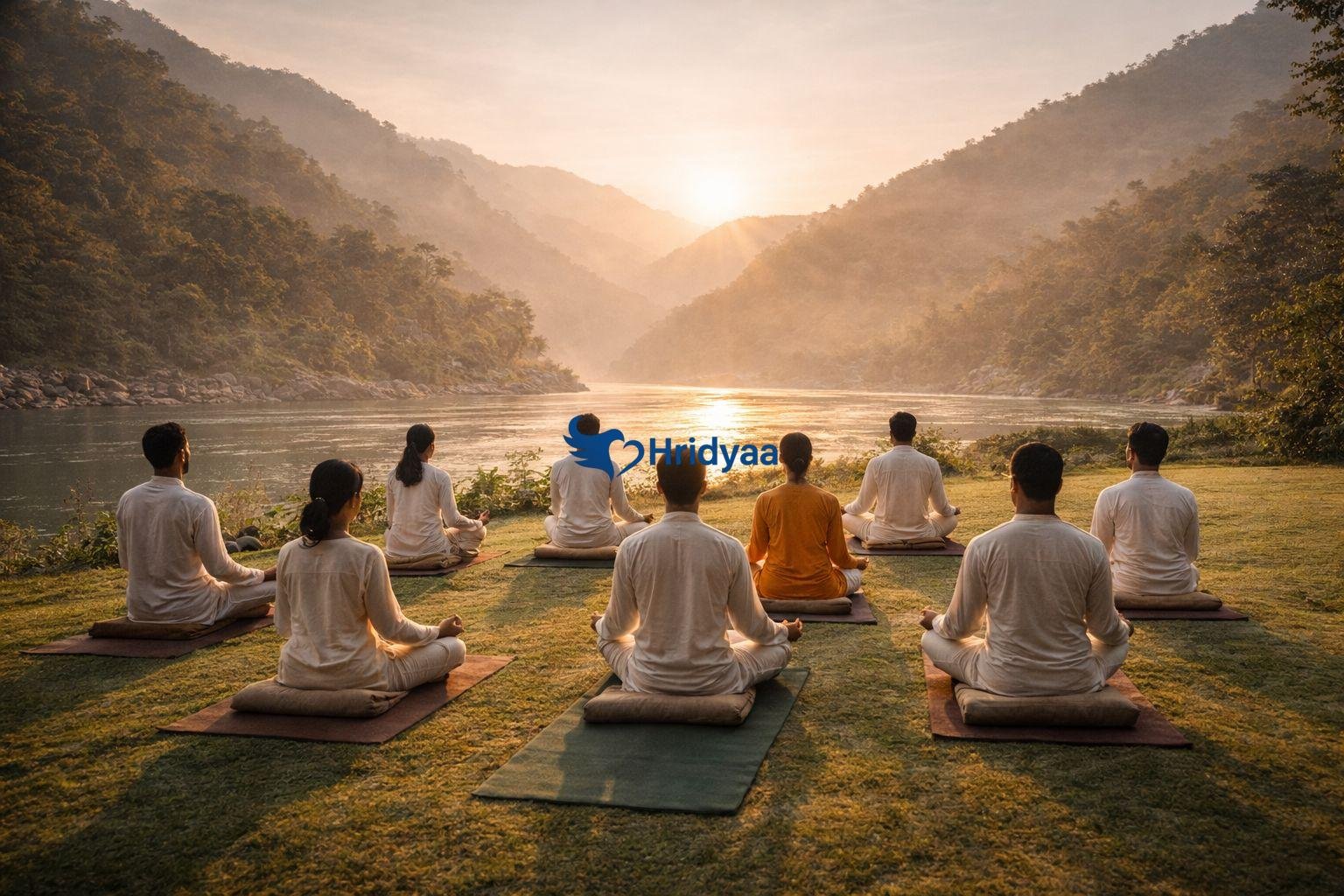
Rishikesh has long been known as a place where people come to practice yoga, meditation, and spiritual reflection. Many visitors begin planning their journey through a complete Rishikesh travel guide. Located along the banks of the sacred Ganga river near places like Triveni Ghat, one of the most spiritual spots in the city and surrounded by the Himalayan foothills, the town offers a peaceful environment that many visitors find ideal for slowing down and focusing on mindfulness.
Each year travelers from India and abroad arrive in the city to attend a meditation camp in Rishikesh, where participants stay at retreat centers or ashrams while following a daily routine of guided meditation, silent practice, and simple living.
Programs range from short 3-day meditation retreats to longer silent meditation retreats lasting a week or more, allowing visitors to experience traditional mindfulness practices in a calm Himalayan setting.
Why Rishikesh is a Popular Destination for Meditation Retreats
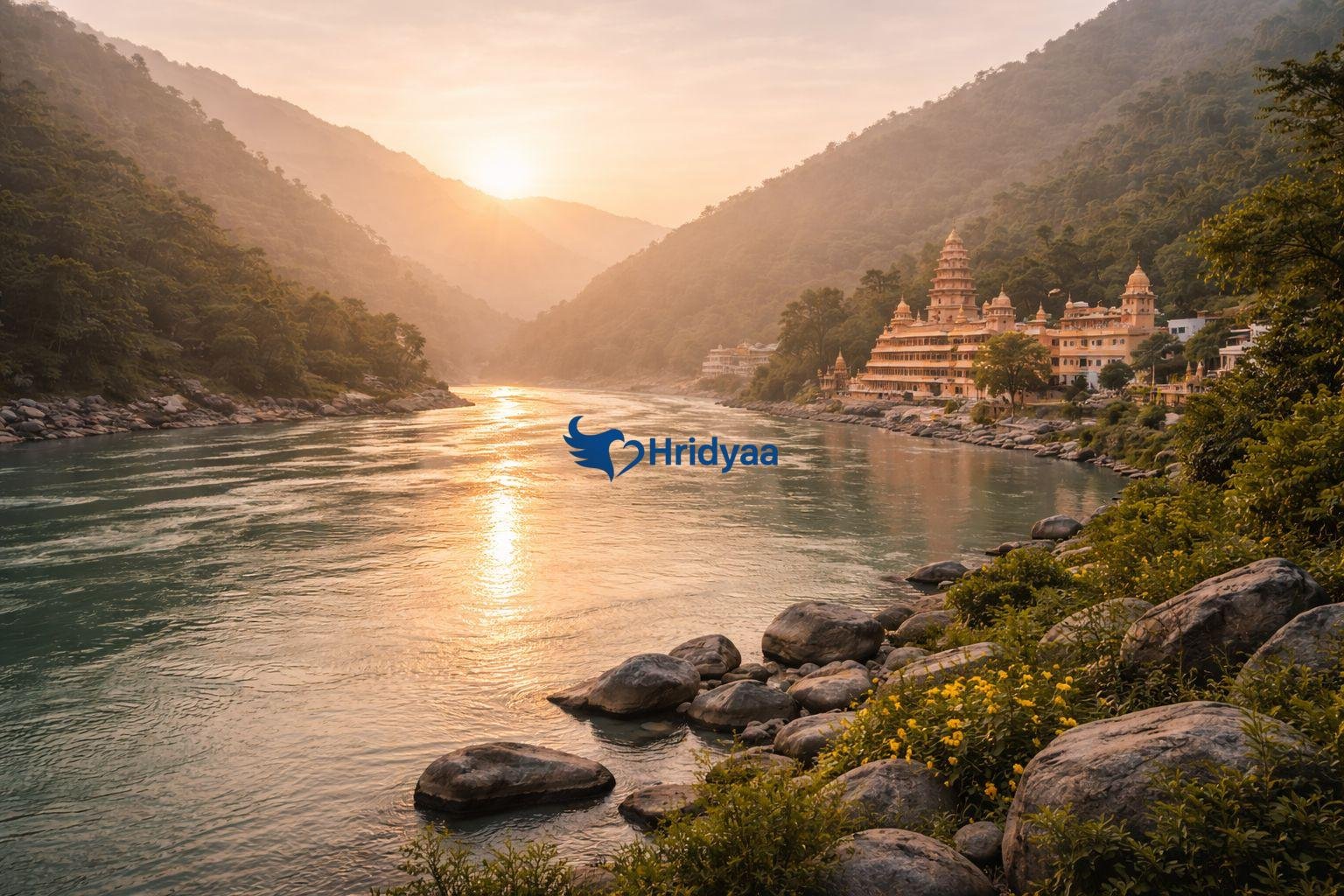
Rishikesh has a long tradition as a center for spiritual learning. For centuries, sages and meditation practitioners have spent time along the banks of the Ganga and in the surrounding Himalayan forests.
The environment itself plays a major role in this reputation. The sound of the flowing river, cool mountain air, and quiet surroundings create an atmosphere that many visitors find supportive for meditation and reflection.
Several well-known spiritual centers host meditation programs throughout the year. Retreats and meditation courses are often organized at places such as Parmarth Niketan, Himalayan Yog Ashram, and meditation-focused retreat centers like Osho Ganga Dham. These institutions attract participants from India and abroad who are interested in mindfulness practice and spiritual learning.
Because of this long tradition, Rishikesh has also become a destination for international travelers searching for meditation retreats in India.
What Happens at a Meditation Camp in Rishikesh
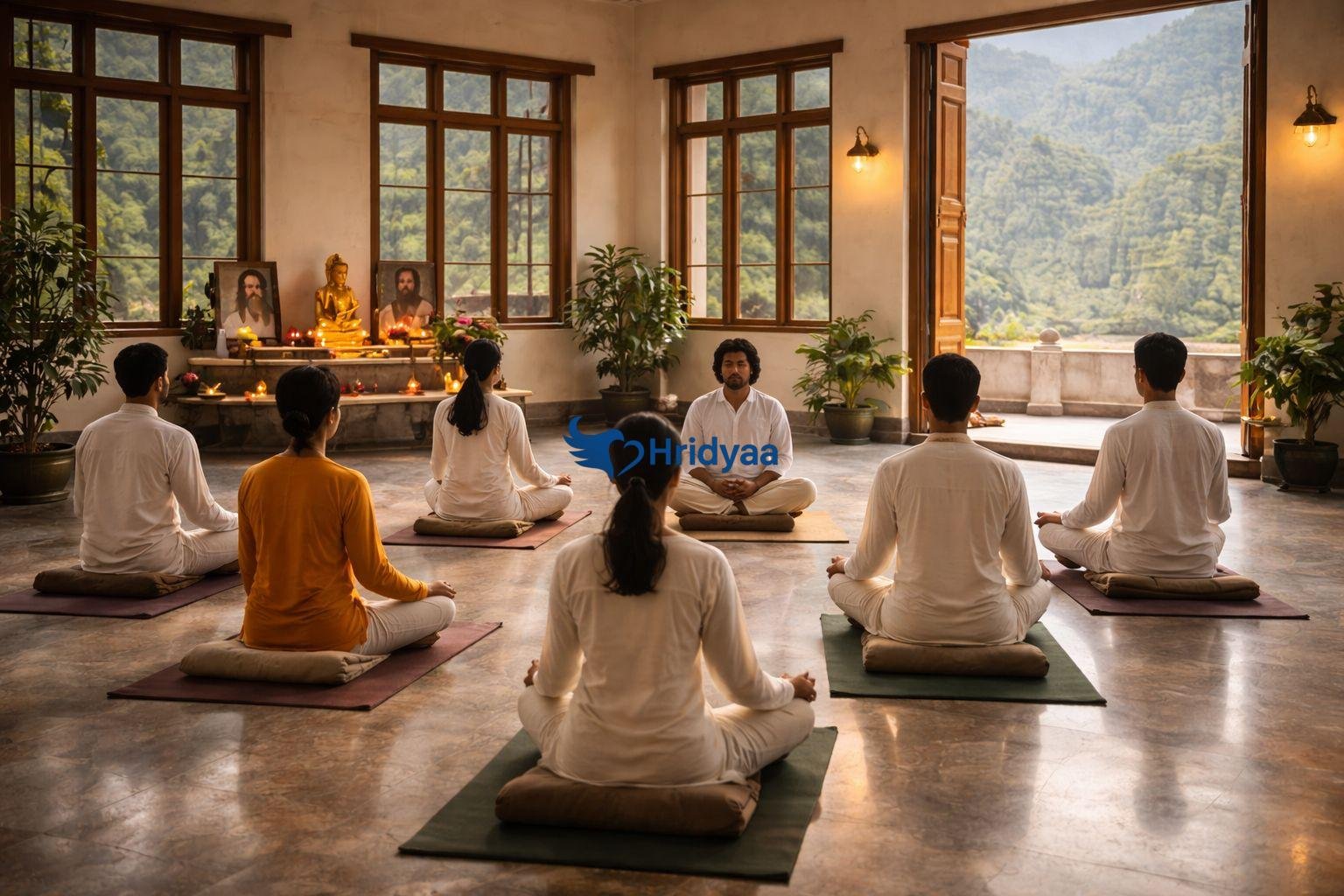
A meditation camp in Rishikesh usually follows a structured routine designed to help participants slow down and become more aware of their thoughts and surroundings.
Most programs include guided meditation sessions where instructors help participants focus on breathing, posture, and mindfulness. Some retreats also include walking meditation, silent sitting practice, and simple awareness exercises that help improve concentration.
Some programs focus on silent meditation retreats in Rishikesh, where participants spend several hours each day practicing meditation in silence with minimal conversation.
Other retreats follow traditional techniques such as Vipassana meditation, which teaches participants to observe thoughts, emotions, and sensations with calm awareness.
Many retreats also include gentle yoga or breathing exercises before meditation sessions, helping participants relax the body and prepare the mind for deeper meditation practice.
Types of Meditation Camps and Retreats in Rishikesh
Visitors can find several types of meditation retreats in Rishikesh depending on their goals and experience level.
Silent Meditation Retreats
Silent retreats are designed for people who want to disconnect from daily distractions and focus deeply on meditation practice.
Participants usually avoid conversation and spend most of their time in meditation, quiet reflection, and mindful activities. Many visitors find that this silence allows them to become more aware of their thoughts and emotions.
Vipassana Meditation Retreats
Vipassana retreats follow a traditional meditation technique that focuses on observing physical sensations and thoughts with awareness.
These retreats are often structured and may include long meditation sessions throughout the day. Vipassana programs are commonly chosen by people looking for a deeper meditation experience.
Yoga and Meditation Retreats
Some retreat programs combine meditation with yoga practice.
These retreats often include morning yoga sessions followed by meditation and breathing exercises. This combination can help beginners relax their body before beginning longer meditation sessions.
Many travelers who join meditation programs also explore nearby yoga camps in Rishikesh to experience both yoga and meditation practices during their stay.
Typical Daily Schedule at a Meditation Retreat in Rishikesh
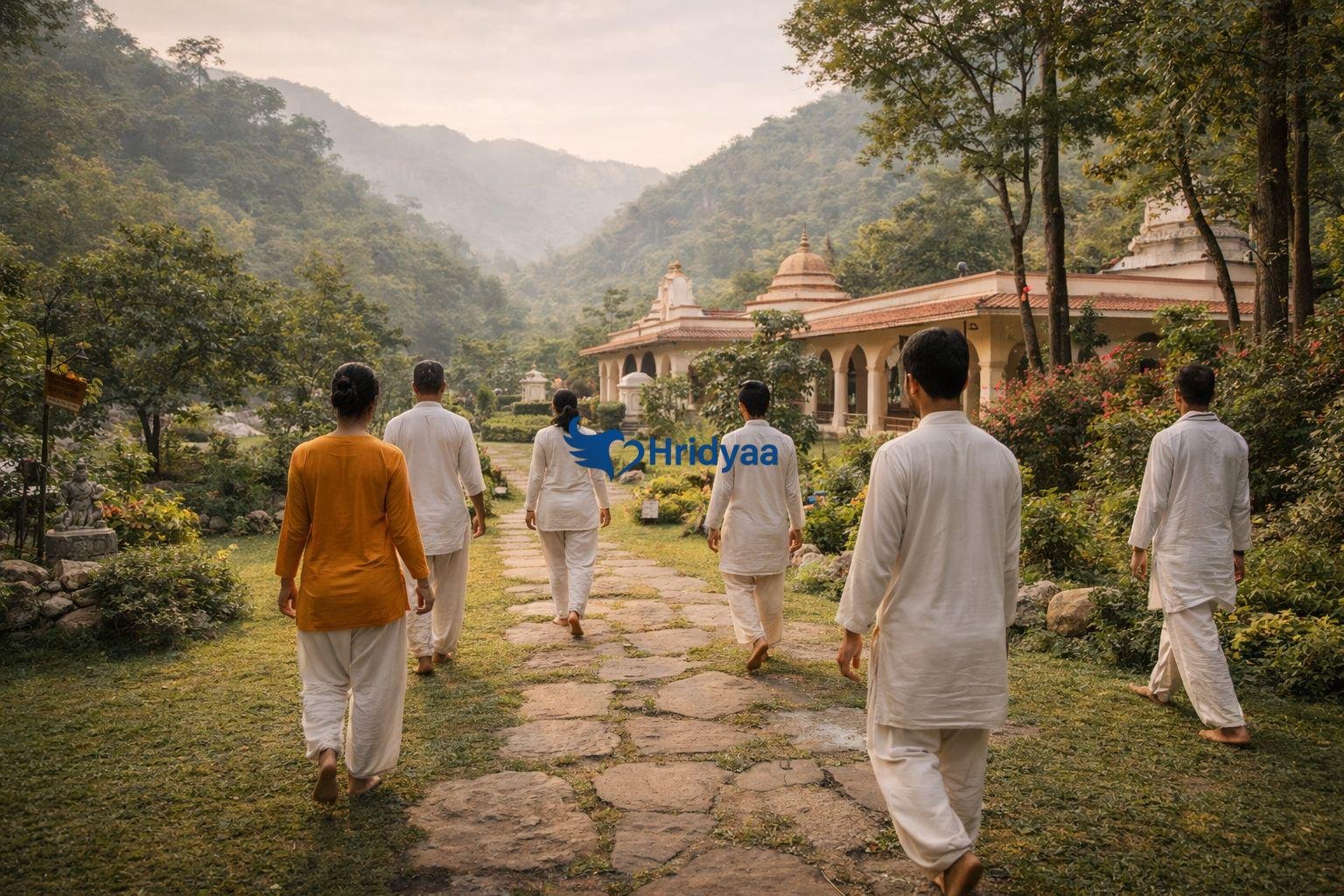
Meditation retreats usually follow a simple routine that balances meditation practice with rest and quiet reflection.
| Time | Activity | Description |
|---|---|---|
| 5:30 – 6:00 AM | Morning Meditation | Guided meditation session focused on breathing awareness and mindfulness. |
| 6:00 – 7:00 AM | Silent Meditation | Quiet sitting meditation where participants practice observing thoughts and sensations. |
| 7:30 AM | Breakfast | Simple sattvic vegetarian breakfast served at the retreat center. |
| 9:30 – 11:00 AM | Meditation Session | Instructor-guided meditation focusing on mindfulness or Vipassana techniques. |
| 1:00 PM | Lunch | Nutritious vegetarian meal prepared according to yogic dietary principles. |
| 2:00 – 3:30 PM | Personal Reflection | Quiet time for journaling, mindful walking, or individual meditation practice. |
| 4:00 – 5:30 PM | Evening Meditation | Group meditation session focusing on awareness and concentration techniques. |
| 6:30 PM | Spiritual Activity | optional visit to Ganga Aarti or a silent evening walk along the peaceful Ganga beaches in Rishikesh. |
| 8:00 PM | Dinner | Light vegetarian dinner followed by quiet rest or meditation. |
Early morning meditation sessions often begin before sunrise, when the Ganga valley is quiet and the surrounding Himalayan hills are still covered in morning mist.
Meditation Retreat Cost in Rishikesh (Per Day)
The cost of meditation retreats in Rishikesh depends on the retreat center, accommodation facilities, and program structure.
| Type of Meditation Retreat | Price Per Day | Accommodation Type | Typical Inclusions |
|---|---|---|---|
| Budget Ashram Meditation Stay | ₹1,000 – ₹2,500 | Simple ashram rooms or shared accommodation | Guided meditation sessions, basic accommodation, vegetarian meals |
| Mid-Range Meditation Retreat | ₹3,000 – ₹6,000 | Private or semi-private retreat rooms | Meditation classes, mindfulness practice, meals, structured retreat schedule |
| Premium Meditation Retreat | ₹7,000 – ₹15,000+ | Private rooms in wellness retreat centers | Guided meditation programs, wellness activities, healthy meals |
Budget meditation retreats are often hosted in traditional ashrams where accommodation is simple but peaceful. Mid-range retreats usually include private rooms and structured meditation programs, while Premium retreats may provide additional wellness facilities, while some travelers also combine meditation retreats with peaceful riverside camping stays in Rishikesh.
Meditation Retreat Price by Duration
Participants often choose meditation retreats based on the length of the program.
| Retreat Duration | Average Price Range | Typical Inclusions |
|---|---|---|
| 3 Day Meditation Retreat | ₹7,000 – ₹15,000 | Accommodation, guided meditation sessions, vegetarian meals |
| 5 Day Meditation Retreat | ₹15,000 – ₹30,000 | Meditation practice, mindfulness sessions, accommodation, meals |
| 7 Day Meditation Retreat | ₹25,000 – ₹50,000 | Full retreat program, silent meditation practice, accommodation, meals |
| 10 Day Meditation Retreat | ₹35,000 – ₹80,000+ | Intensive meditation training, silent retreat program, accommodation, meals |
Longer retreats allow participants to settle into a deeper meditation routine and gradually develop stronger focus and awareness.
Best Areas in Rishikesh for Meditation Retreats
Meditation retreats are located in several different parts of Rishikesh depending on the environment and retreat style.
Tapovan: Tapovan is one of the most popular areas for yoga and meditation retreats and is also known for camping stays near Tapovan and the Ganga valley. The area has many wellness centers and retreat schools.
Upper Tapovan: This quieter section above Tapovan offers peaceful surroundings and views of the surrounding hills.
Jonk Village: Located near the Lakshman Jhula area, Jonk village hosts several traditional ashrams and meditation centers.
Neelkanth Road: Retreat centers along this road are surrounded by forest and mountain views, creating a calm environment for meditation.
Shivpuri: Some meditation retreats operate near Shivpuri where the environment is quieter and closer to nature, an area also known for best riverside camping in Rishikesh and closer to nature.
Many meditation retreats are located in quieter areas such as Tapovan, Neelkanth Road, and Shivpuri, where the peaceful surroundings support silence, meditation, and reflection.
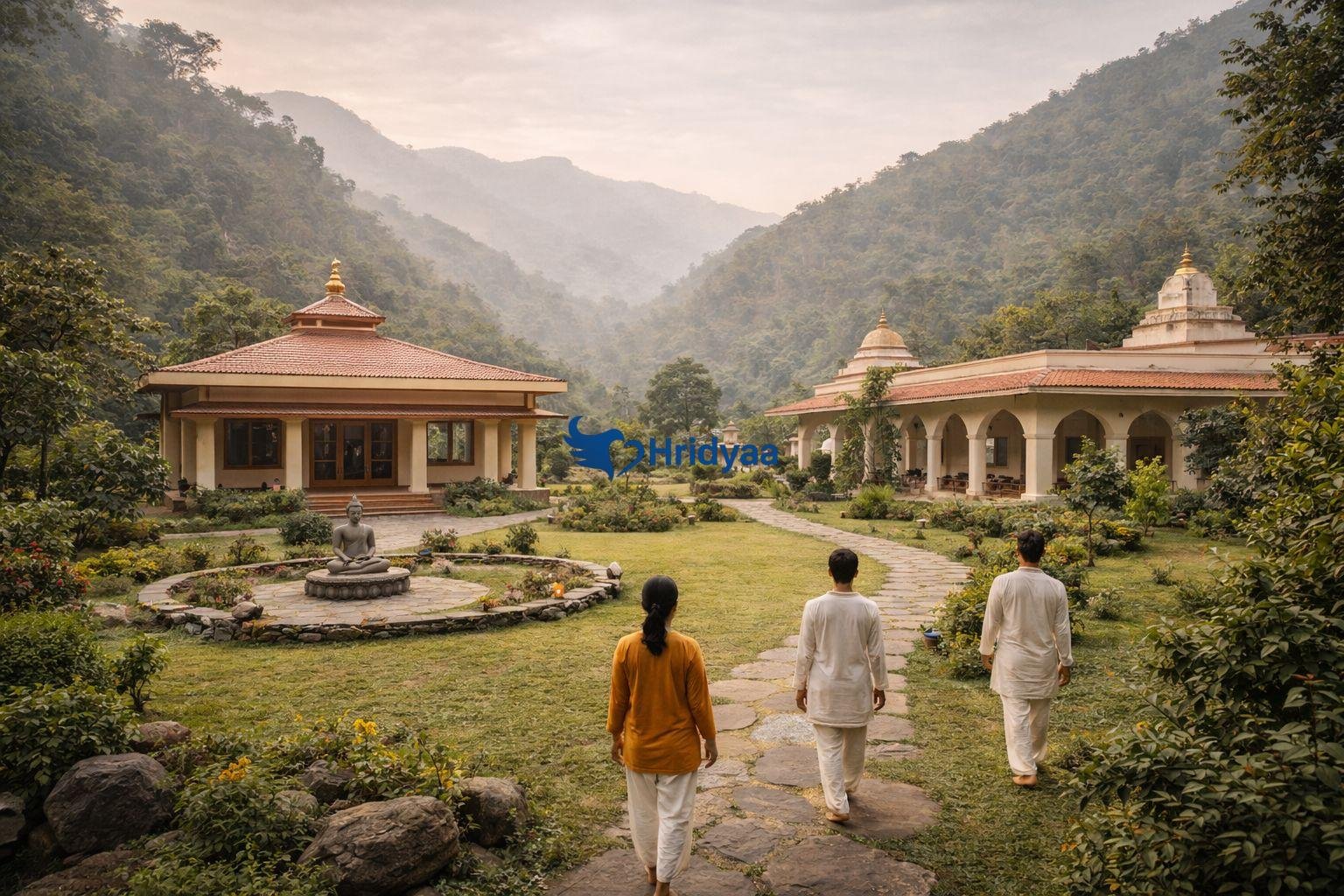
Who Should Join a Meditation Retreat in Rishikesh
Meditation retreats attract a wide range of participants.
Some visitors attend retreats to reduce stress and take a break from busy work schedules. Others join retreats to deepen their meditation practice or explore spiritual traditions.
Beginners are welcome in many meditation retreats, as instructors usually guide participants through basic meditation techniques step by step.
Travelers interested in wellness, mindfulness, and personal growth often find meditation retreats to be a meaningful way to reconnect with themselves and their surroundings.
How to Choose a Meditation Retreat in Rishikesh
When selecting a meditation retreat in Rishikesh, it helps to consider the style of retreat and the experience you are looking for.
Some retreats focus primarily on silent meditation practice, while others combine meditation with yoga and breathing techniques.
Accommodation style can also vary. Some retreats are hosted in traditional ashrams with simple living conditions, while others prefer staying in quiet cottages and retreat accommodations in Rishikesh, while others provide more comfortable retreat centers with private rooms.
Checking the daily schedule, instructor experience, and retreat duration can help ensure that the program matches personal goals.
Frequently Asked Questions About Meditation Camps in Rishikesh
What happens during a meditation retreat in Rishikesh?
During a meditation retreat, participants usually follow a structured routine that includes guided meditation sessions, silent sitting meditation, and mindfulness practices. Some programs also include gentle yoga, breathing exercises, and quiet reflection periods.
How many days are ideal for a meditation retreat?
Many beginners start with a short retreat lasting three to five days. Longer retreats lasting seven days or more allow participants to settle into a deeper meditation practice and gradually develop greater focus and awareness
Are silent meditation retreats in Rishikesh suitable for beginners?
Yes, many silent meditation retreats welcome beginners. Instructors typically guide participants through meditation techniques step by step and provide instructions to help them adapt to the quiet environment.
What should I bring to a meditation retreat?
Participants usually bring comfortable clothing, basic toiletries, a notebook for reflection, and any personal items needed during their stay. Meditation cushions and other basic facilities are typically provided by the retreat center.
When is the best time to attend a meditation retreat in Rishikesh?
The most comfortable time to attend meditation retreats in Rishikesh is generally between September and April. Travelers often check the best time to visit Rishikesh for yoga and outdoor activities before planning their retreat, when the weather is cooler and the environment is calm.


Join The Discussion