
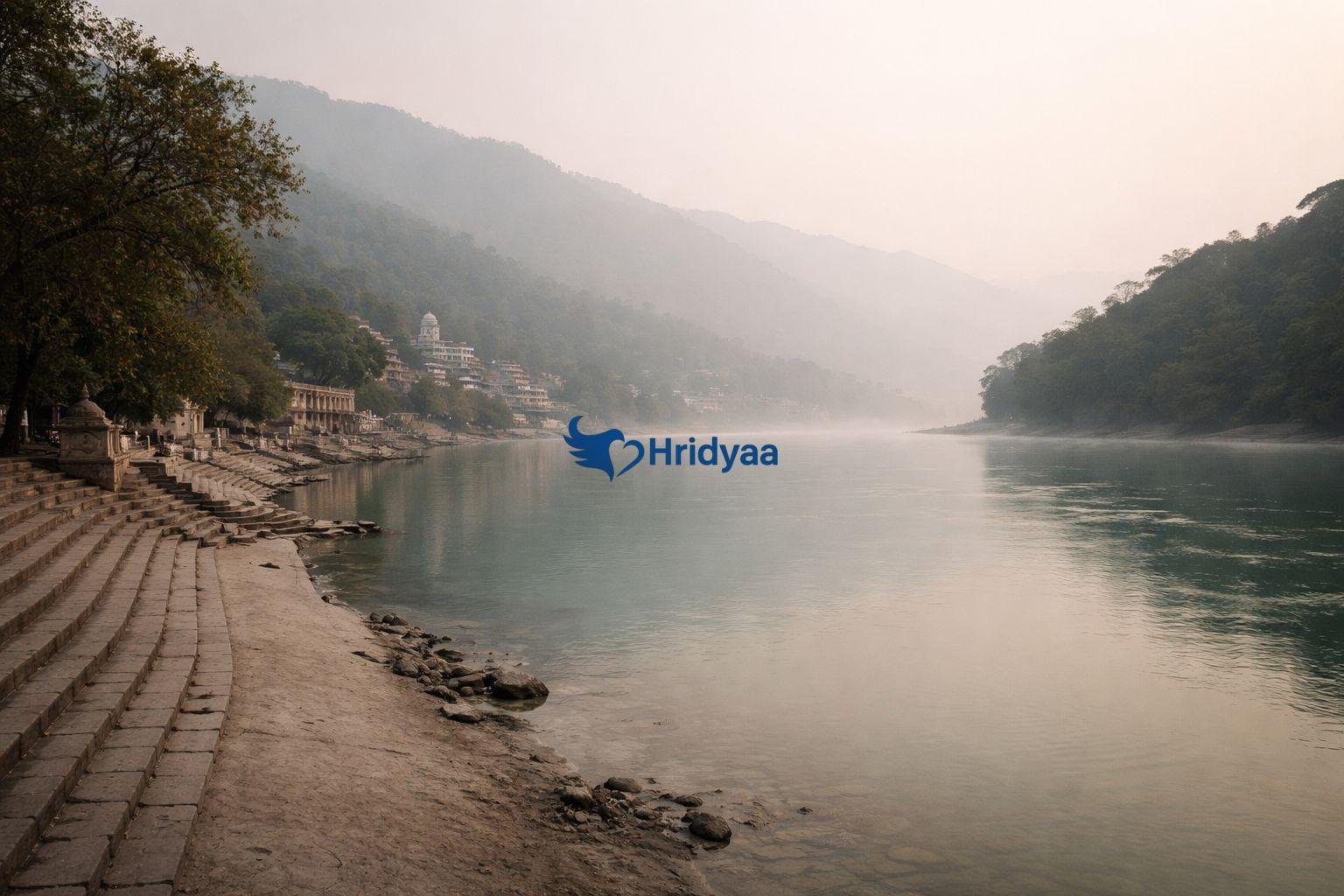
The Honest Answer Most Travelers Are Looking For
If you’re planning a trip to Rishikesh and wondering how long to stay, here’s the reassurance most people need upfront:
For most first-time travelers, 3 to 4 days in Rishikesh turns out to be the sweet spot — but only if the trip is planned right.
That answer alone, however, doesn’t tell the full story.
Some travelers visit for a single day and feel underwhelmed. Others arrive for a weekend and unexpectedly extend their stay. The difference isn’t luck — it’s intent, pacing, and travel distance.
For travelers coming from Delhi NCR or nearby cities, travel time alone changes what “enough days” actually means. A rushed plan compresses the experience; a balanced one lets Rishikesh unfold naturally.
This guide breaks it down honestly — day by day — so you can decide what works for you, not what generic itineraries suggest.
Why There’s No Fixed Number of “Enough Days” for Rishikesh
Rishikesh doesn’t behave like a checklist destination.
It reveals itself slowly, depending on how you engage with it. Someone coming only for River Rafting in Rishikesh experiences a very different version of the town than someone staying near the river, attending evening aarti, or exploring forested outskirts.
That’s why trip durations vary so widely. Rishikesh can feel rushed in two days, comfortable in three, and deeply restorative beyond that — especially if you’re not trying to “see everything.”
To understand this better, let’s start with the shortest possible trip most people attempt.
1 Day in Rishikesh – A Teaser, Not the Real Experience
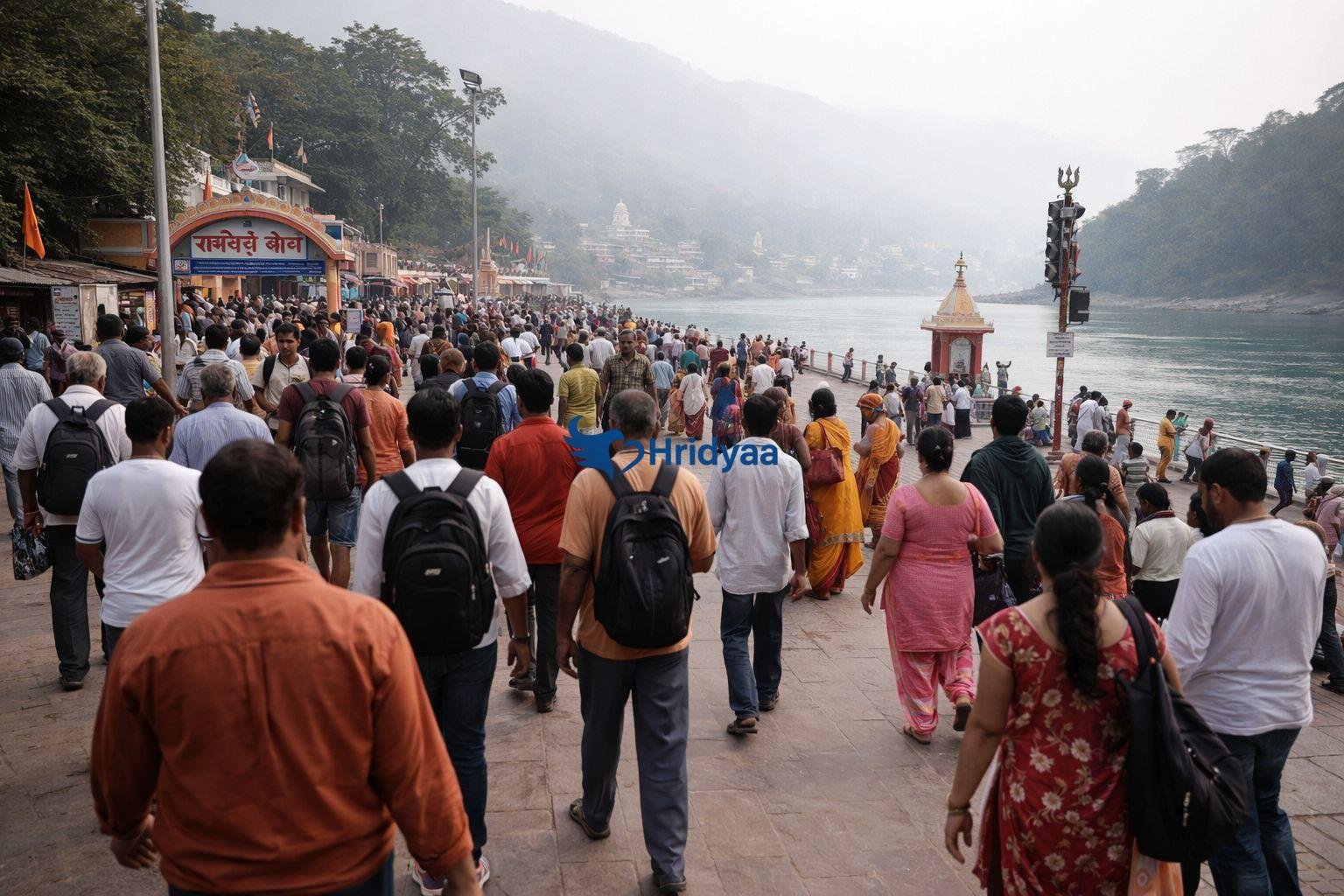
A one-day trip to Rishikesh is common among weekend planners from Delhi NCR, but it comes with clear limitations.
Typically, a single-day visit involves an early arrival, a brief walk along the Ganga, a stop at Triveni Ghat for river views, and some time around Tapovan or the cafés near Ram Jhula. By late afternoon, many travelers drift toward Lakshman Jhula Market, squeezing in shopping before heading back the same evening.
What this kind of trip lacks is breathing space.
There’s no unhurried morning, no quiet riverside pause, no time to experience the evening calm at places like Parmarth Niketan. Even adventure activities like rafting feel compressed rather than immersive.
Clear verdict:
A 1-day trip to Rishikesh works only as a teaser — not as a real experience of the town.
It makes sense only if you live nearby, have visited before, or simply want a brief change of scenery. For first-time visitors, it often creates the impression that Rishikesh is crowded and hurried — which is only half the truth.
2 Days in Rishikesh – The Popular Weekend Plan (And Why It Often Falls Short)
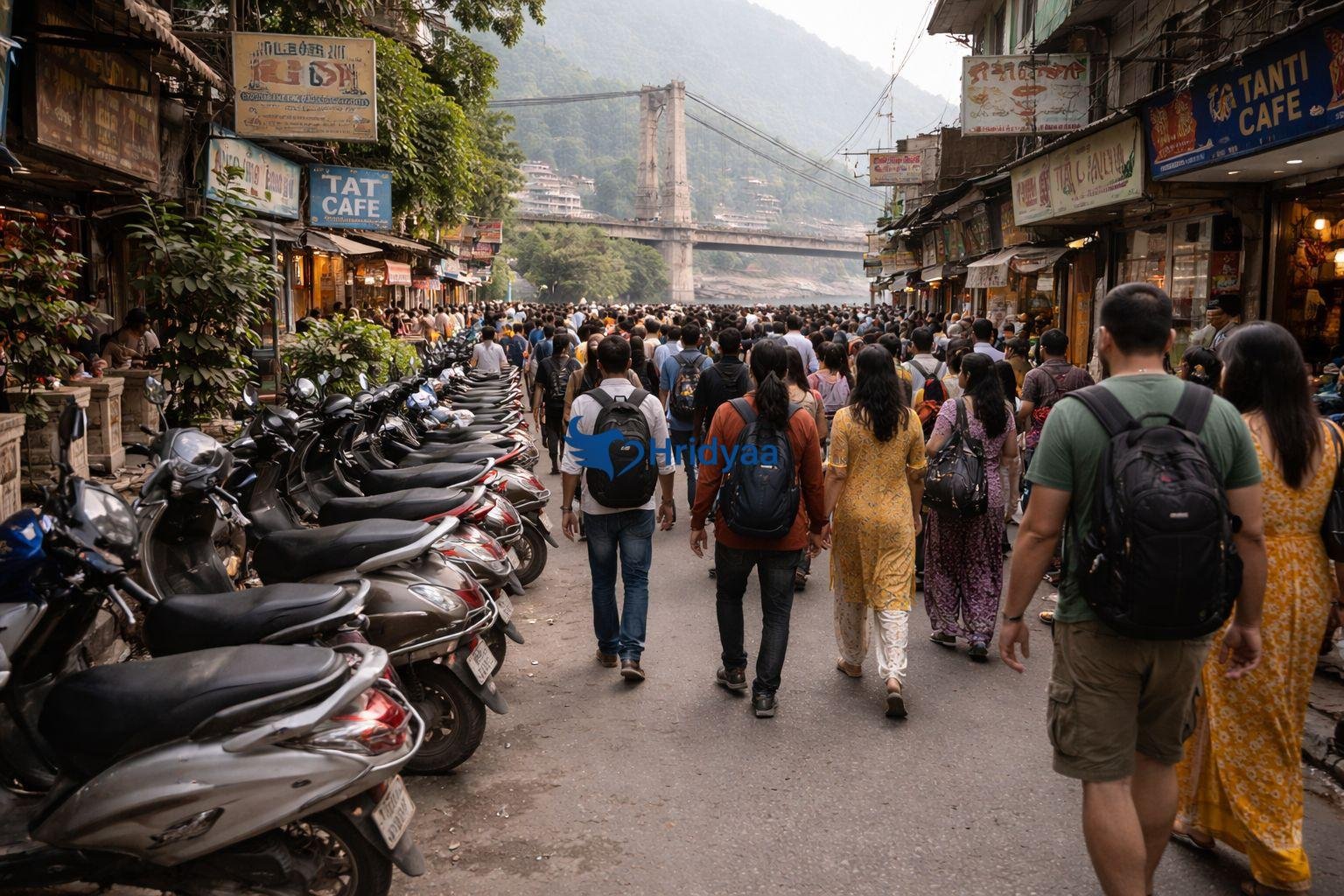
For travelers visiting Rishikesh from Delhi NCR, two days feels like the most logical plan. Leave early Saturday morning, return Sunday night — neat, contained, manageable.
On paper, it looks perfect.
In reality, 2 days in Rishikesh is where expectations and experience start to diverge.
Why Most People Choose 2 Days
The logic is simple. One day feels too short, while three days means taking leave. So travelers try to compress everything into a single weekend: sightseeing, spirituality, cafés, shopping, and at least one adventure activity like River Rafting in Rishikesh.
This is also why weekends feel disproportionately crowded. Most visitors arrive and move through the same zones at the same time.
What Actually Happens on Day 1
Day one is usually consumed by arrival and orientation. Even with an early start, by the time travelers check in and freshen up, half the day is gone.
Afternoons are often spent exploring Tapovan, browsing cafés, or walking through Lakshman Jhula Market. These areas are lively, social, and convenient — but also the most congested on weekends.
By evening, many head to Parmarth Niketan for Ganga Aarti. It’s meaningful, but on weekends it’s also crowded, structured, and time-bound. The calm Rishikesh is known for doesn’t fully surface yet.
What Day 2 Tries to Accomplish (And Why It Feels Rushed)
The second day usually carries too much weight.
Travelers try to fit in:
- An early adventure slot like rafting
- A quick visit to river viewpoints or ghats
- Last-minute shopping or café hopping
- Checkout and return travel — all before night
Because of this compression, the experience becomes transactional. You do things, but you don’t sit with them. Even rafting feels like a checkbox unless planned with enough buffer.
This is also when fatigue kicks in — long walks, heat, queues, and traffic begin to overshadow enjoyment.
The Core Problem With a 2-Day Trip
The issue isn’t that two days are useless.
The issue is that two days don’t leave room for mistakes, delays, or rest.
Any traffic delay, late start, or overplanning instantly eats into the experience. Rishikesh requires at least one slow morning to balance its energy — something a standard 2-day plan rarely allows.
Two days in Rishikesh are manageable for a quick introduction, but they often feel crowded and incomplete — especially on weekends.
Who 2 Days Actually Works For
A 2-day trip makes sense if:
- You’ve visited before
- You’re coming mainly for one activity (like rafting)
- You’re okay skipping quieter, lesser-known spots
For first-time visitors hoping to understand why people fall in love with Rishikesh, two days usually raise the next question:
“What if we had just one more day?”
3 Days in Rishikesh – The True Sweet Spot for Most Travelers

For most first-time visitors to Rishikesh, three days is where the town finally starts making sense.
Not rushed.
Not overwhelming.
And most importantly — not crowded all the time.
That extra third day doesn’t just add hours to your trip. It changes the rhythm of how you experience Rishikesh.
Why One Extra Day Changes Everything
With three days, you stop trying to “cover” Rishikesh and start living inside it, even if briefly.
The biggest shift happens psychologically. You’re no longer racing against checkout time or return travel. You wake up knowing you have space — and that’s when Rishikesh reveals its quieter side.
Instead of stacking activities back-to-back, the days naturally separate into:
- One day of arrival and orientation
- One day of experience and exploration
- One day of slowing down and absorbing
That balance is what most shorter trips miss.
How a 3-Day Rishikesh Trip Usually Unfolds (Naturally)
The first day still looks familiar — arrival, settling in, an evening walk by the river, maybe a calm visit to the ghats. But there’s less pressure to do everything immediately.
The second day becomes the active core of the trip. This is where adventure fits best. Planning River Rafting in Rishikesh on a full middle day feels very different from squeezing it into a departure morning. You have time to rest, eat well, and enjoy the experience without watching the clock.
The third day is what most travelers don’t realize they needed. A slow morning by the river. A quiet café. Time spent walking along lesser-known Beaches in Rishikesh where the Ganga flows calmly and crowds thin out. This is usually the day people say, “I didn’t know Rishikesh could feel like this.”
Where You Stay Starts to Matter on a 3-Day Trip
With only one or two days, accommodation is just a place to sleep. With three days, it becomes part of the experience.
This is where staying slightly away from the busiest zones makes sense — whether that’s riverside Cottages in Rishikesh or nature-focused Camping in Rishikesh setups that offer quieter evenings and clearer mornings.
The shift from “hotel room” to “environment” is subtle, but it deeply affects how rested you feel by the end of the trip.
Who 3 Days in Rishikesh Is Perfect For
Three days works best if:
- You’re visiting Rishikesh for the first time
- You want both activity and calm
- You’re traveling from Delhi NCR and don’t want the trip to feel exhausting
- You care about how a place feels, not just what it offers
For most first-time travelers, 3 days in Rishikesh offers the best balance of experience, pace, and mental reset.
It’s long enough to slow down, but short enough to remain easy to plan.
4–5 Days in Rishikesh – When the Town Stops Feeling Like a Trip
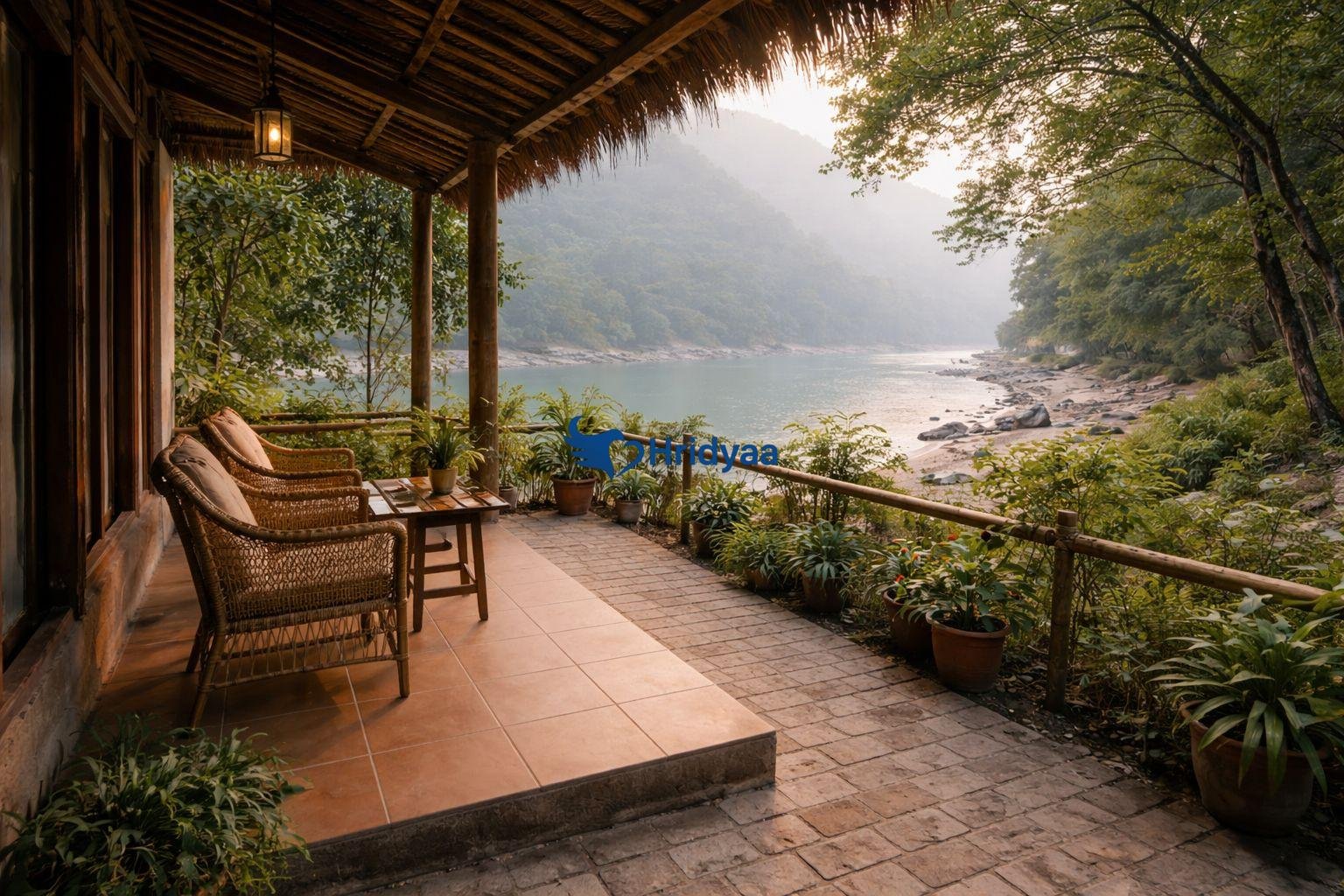
By the fourth day in Rishikesh, something subtle but important happens.
You stop asking, “What should we do today?”
And start thinking, “How do we want the day to feel?”
That’s the difference between visiting Rishikesh and settling into it, even briefly.
Why 4–5 Days Feels Fundamentally Different
With four or five days, Rishikesh is no longer compressed into highlights. The town opens up in layers.
Mornings slow down naturally. You’re not rushing to beat crowds or traffic. Afternoons are no longer filler time; they become moments for walks, reading, or sitting quietly by the river. Evenings lose urgency — you don’t feel the pressure to “use them well.”
This is usually when travelers realize that Rishikesh is less about attractions and more about daily rhythm.
How Travelers Use These Extra Days
Unlike shorter trips, 4–5 days aren’t spent doing more — they’re spent doing better.
One day might be active, built around adventure. This is where people comfortably plan high-adrenaline experiences like Bunjee Jumping in Rishikesh, knowing they don’t have to travel the same day or recover in a hurry.
Another day might be intentionally empty. A long breakfast. A quiet riverside walk. Time spent near calmer stretches of the Ganga or exploring less-visited forest paths.
This spacing is what allows both the body and mind to reset — something weekend trips rarely achieve.
Why Accommodation Choice Becomes Critical
At this duration, staying in crowded central areas often starts to feel draining.
Many travelers shift toward:
- Nature-facing Rishikesh Cottages with fewer people and more privacy
- Riverside or forest-edge Camping in Rishikesh experiences that create distance from traffic and noise
The stay itself becomes part of the journey, not just a base.
This is also when people begin structuring their days around where they’re staying — sunrise views, evening silence, or proximity to nature — instead of fixed sightseeing plans.
Who 4–5 Days in Rishikesh Is Best For
This duration works especially well if:
- You want mental rest, not just activities
- You’re open to slow mornings and unplanned afternoons
- You’re combining light adventure with calm living
- You don’t want the return journey to feel like an escape
A 4–5 day stay in Rishikesh allows travelers to move beyond sightseeing and experience the town’s natural pace and calm.
This is also the point where many people quietly extend their stay — sometimes without planning to.
7 Days or More in Rishikesh – When It Stops Feeling Like Travel
Staying a week or longer in Rishikesh is no longer about itinerary planning.
It’s about integration.
By this point, you’re not asking how many days are enough — you’re adjusting your life around the place. Meals have timings. Mornings have rituals. Days stop being labeled.
This is where Rishikesh reveals why people keep coming back.
Why Some Trips Quietly Stretch Beyond a Week
A longer stay usually begins unintentionally.
Someone books 4–5 days, then realizes they’re sleeping better. Thinking more clearly. Moving slower without effort. The idea of rushing back feels unnecessary.
With seven days or more, Rishikesh stops performing for you. There’s no pressure to explore, no guilt about staying in. The town becomes a backdrop rather than a destination.
This is especially common among:
- Solo travelers
- Remote workers and freelancers
- People between transitions — jobs, cities, routines
What Life Looks Like on a Longer Stay
Days start to resemble real life — just quieter.
Mornings might involve yoga or simple walks by the river. Afternoons blend into work, reading, or long café hours. Evenings are unplanned — sometimes spent walking, sometimes doing nothing at all.
Adventure doesn’t disappear, but it becomes optional. Activities like rafting or bungee jumping are spaced out rather than stacked. They’re no longer the center of the trip — just accents.
Most long-stay travelers also begin exploring beyond the obvious routes, using resources like a detailed Rishikesh Travel Guide to move past first-timer circuits and understand the town better.
Accommodation Shifts From “Stay” to “Base”
At this stage, hotels rarely make sense.
People prefer:
- Extended stays in quiet cottages
- Weekly or monthly riverside rooms
- Nature-facing camps with longer booking flexibility
The focus shifts from convenience to livability — silence, walking distance, routine-friendly spaces.
Who Should Consider Staying This Long (And Who Shouldn’t)
A week or more in Rishikesh works best if:
- You’re seeking mental clarity or reset
- You’re comfortable without constant stimulation
- You enjoy routine more than sightseeing
- You don’t need nightlife or fast-paced variety
It’s not ideal if you:
- Need constant novelty
- Prefer packed itineraries
- Get restless without structure
A 7-day or longer stay in Rishikesh suits travelers looking for lifestyle rhythm, not sightseeing intensity.
For many, this is where Rishikesh stops being a place they visited — and starts becoming a place they return to.
How Many Days Are Enough for Rishikesh Based on Your Travel Style
Not everyone comes to Rishikesh looking for the same thing.
That’s why the “perfect number of days” changes dramatically depending on how you travel, not just where you go.
Instead of generic advice, here’s how trip duration plays out for different travel styles — based on how people actually behave once they arrive.
Solo Travelers: 3–5 Days Works Best
Solo travelers adapt to Rishikesh quickly. Without group coordination or fixed schedules, they naturally slow down faster than others.
Three days gives solo visitors enough space to explore, sit quietly, and reset without feeling isolated. Five days works even better if the goal is reflection, writing, yoga, or simply existing without pressure.
This is also when solo travelers gravitate toward quieter stays — often choosing Camping in Rishikesh or peaceful riverside cottages where mornings and evenings don’t feel crowded.
Trying to do Rishikesh solo in just one or two days usually feels abrupt and unfinished.
Best duration: 3–5 days
Couples: 3–4 Days Is the Sweet Spot
Couples tend to balance activity and downtime more intuitively. They want shared experiences, but not exhaustion.
Three to four days allows for a relaxed rhythm — cafés, riverside walks, one adventure day, and unhurried evenings. This duration avoids the stress that often creeps into rushed weekend trips.
Staying in private Cottages in Rishikesh often enhances the experience here, giving couples space away from crowds without disconnecting from the town.
Shorter trips feel rushed; longer ones work only if both partners enjoy slow living.
Best duration: 3–4 days
Families (Especially With Kids): 2–3 Calm Days
Families usually experience Rishikesh differently. Long walking distances, heat, and crowds matter more when traveling with children or elders.
Two well-planned days can work if the focus stays on calm river areas, short outings, and relaxed meals. Three days is safer, offering buffer time for rest and flexibility.
Adventure-heavy planning often backfires for families. Instead, gentle exploration and peaceful surroundings matter more than ticking off attractions.
Best duration: 2–3 days
Adventure-Focused Travelers: 2–3 Days, Planned Precisely
If adventure is the main reason for the trip, duration matters less than sequencing.
Two days can work if one full day is dedicated to rafting or jumping, with proper recovery time. Three days is ideal, allowing one arrival day, one activity-heavy day, and one slow exit.
Many adventure travelers combine River Rafting in Rishikesh with high-adrenaline experiences like Bunjee Jumping in Rishikesh, but trying to stack everything into a single day often leads to fatigue rather than fun.
Best duration: 2–3 days (with smart spacing)
Workation & Slow Travelers: 5–7 Days or More
People who come to Rishikesh to work remotely, write, heal, or reset operate on a completely different timeline.
Here, days stop being counted. Five days becomes the minimum needed to establish routine. A week or more allows productivity and calm to coexist.
This group relies heavily on choosing the right location and pacing, often using a detailed Rishikesh Travel Guide to avoid tourist-heavy zones and settle into quieter pockets.
For them, leaving too early feels disruptive rather than efficient.
Best duration: 5–7 days (or open-ended)
One Clear Pattern Emerges
Across travel styles, one truth repeats:
Short trips show you what Rishikesh has.
Longer stays show you what Rishikesh does to you.
That’s why the same place can feel chaotic in two days and calming in four.
Best Time to Visit Rishikesh — And How Season Changes How Many Days You Need
The number of days you need in Rishikesh isn’t fixed — it stretches or shrinks depending on when you visit.
Season quietly controls crowd density, energy levels, travel fatigue, and even how restorative the town feels. Two days in one season can feel longer than four days in another.
Peak Season (March to June): Time Compresses
This is when Rishikesh sees its highest footfall — summer vacations, rafting season, long weekends, and festival travel all overlap.
During peak months, movement slows down. Cafés fill quickly, rafting slots get crowded, and popular walking zones feel dense by midday. Because of this, travelers often need more days to achieve the same sense of calm.
A 2-day trip during peak season almost always feels rushed. Three days become the practical minimum, while four days allow you to space activities properly and recover from crowd fatigue.
Key insight: In peak season, you need more days to feel less hurried.
Monsoon (July to September): Slow, Quiet, and Mentally Spacious
Monsoon transforms Rishikesh into a different place.
Rafting pauses or becomes limited, tourist numbers drop sharply, and the town slows down. Days feel longer, not because you’re doing more — but because there’s less external pressure.
During this season, even a 2–3 day stay can feel deeply restorative. For travelers focused on calm, reflection, or creative work, fewer days are needed to feel “complete.”
That said, movement becomes weather-dependent, so planning flexibility matters more than duration.
Key insight:
In monsoon, fewer days can feel more fulfilling.
Winter (October to February): Balance Returns
Winter is when Rishikesh regains equilibrium.
Crowds thin out, temperatures drop, and mornings become especially peaceful. Walking becomes easier, and evenings feel unhurried. This is when Rishikesh suits both short and longer stays.
A well-planned 2–3 day trip works beautifully in winter. Three to four days feels ideal, especially if you want to combine gentle exploration with downtime.
This is also the season when travelers enjoy open spaces like Beaches in Rishikesh without the summer congestion.
Key insight:
Winter offers the best flexibility — short trips don’t feel rushed, and longer ones don’t feel excessive.
How Season Should Influence Your Trip Length
Rather than asking, “How many days should I stay?”, a better question is:
“How much space do I want this trip to have?”
Peak season demands extra buffer.
Monsoon rewards stillness.
Winter offers balance.
The ideal number of days in Rishikesh depends heavily on season — peak months require longer stays, while quieter months feel complete in fewer days.
Budget vs Time in Rishikesh — How Money Quietly Decides How Long You Stay
When people ask how many days are enough in Rishikesh, they usually mean time.
But in practice, budget decides pacing, and pacing decides satisfaction.
This is why some travelers feel relaxed in three days, while others feel rushed even in four.
Why Higher Budgets Often Lead to Shorter, Tighter Trips
Weekend travelers from metro cities often arrive with a fixed budget and limited leave. To “make the most of it,” they choose central locations, packed schedules, and paid activities.
The result is efficiency — but also pressure.
When stays are expensive per night, travelers subconsciously try to justify every hour. That mindset leads to overplanning, shorter rests, and faster burnout. The trip ends feeling busy, not refreshing.
This is also where people try to stack multiple activities together — rafting, shopping, sightseeing — without enough buffer in between.
Why Lower Daily Costs Often Mean Longer, Better Trips
Rishikesh has an unusual advantage: daily living costs can be very low if you plan right.
When accommodation, food, and transport feel affordable, the urgency disappears. Travelers allow days to unfold naturally. They sit longer at cafés, walk instead of rushing, and don’t feel pressured to “extract value” from every hour.
This is why people staying slightly outside the busiest zones, or choosing experiences like Camping in Rishikesh, often end up extending their trips without planning to.
Lower daily cost doesn’t mean lower quality — it often means more mental space.
The Hidden Costs That Quietly Shorten Trips
Some expenses don’t show up on booking pages but still cut trips short.
Daily commuting within crowded areas drains energy. Repeated café hopping adds up quickly. Poorly planned activity timing leads to paying more for convenience rather than experience.
Travelers who plan one anchor experience — like River Rafting in Rishikesh — and leave the rest of the days flexible usually spend less overall and enjoy more.
A Practical Way to Think About Budget vs Days
Instead of asking, “How many days can I afford?”, ask:
“How much calm do I want per day?”
If your daily costs are high, fewer days may feel intense.
If your daily costs are balanced, more days feel lighter — not heavier.
In Rishikesh, lower daily expenses often allow longer, more relaxed stays, while higher budgets tend to compress experiences into fewer days.
Common Planning Mistakes That Make Rishikesh Feel Rushed or Overrated
When travelers say Rishikesh felt chaotic, crowded, or underwhelming, it’s rarely because they stayed too few days in Rishikesh.
Most of the time, it’s because those days were planned in a way that fought the town’s natural rhythm.
Treating Rishikesh Like a Sightseeing Checklist
One of the most common mistakes is approaching Rishikesh like a city where attractions need to be ticked off quickly.
When days are packed with constant movement — ghats, markets, cafés, activities — there’s no pause for the place to settle in. Rishikesh isn’t designed to impress in rapid succession. It reveals itself in the gaps between plans.
Travelers who leave no empty space in their schedule often leave feeling strangely unsatisfied, even after “doing a lot.”
Staying in the Most Convenient Area, Not the Right One
Another silent mistake is choosing accommodation purely for proximity.
Busy zones feel exciting at first, but over multiple days they become draining. Noise, traffic, and footfall slowly eat into the sense of calm people come here for.
This is why many travelers feel better after shifting slightly away from the center — whether toward quieter riverside pockets or calmer stays like Cottages in Rishikesh that trade a few minutes of travel for much better mornings and evenings.
Compressing Adventure Into Arrival or Departure Days
Adventure experiences need space around them.
Trying to squeeze rafting or other high-energy activities into an arrival or departure day often backfires. The experience feels hurried, recovery time disappears, and the rest of the day feels scattered.
When planned as a central, dedicated experience — like giving one full day to River Rafting in Rishikesh — the trip immediately feels more balanced, even if the total number of days stays the same.
Ignoring the Importance of Slow Mornings
Many travelers underestimate how much mornings define Rishikesh.
Late starts followed by rushed afternoons push people straight into peak crowds. Early, unplanned mornings by the river or in quieter lanes often become the most memorable part of the trip — yet they’re the first thing sacrificed in tight schedules.
Ironically, slowing down often makes a shorter trip feel longer and fuller.
Leaving With the Feeling of “We Missed Something”
This feeling is the biggest clue that something went wrong in planning.
People often leave saying they saw a lot, but didn’t feel Rishikesh. That usually means the trip was structured around movement instead of presence.
Rishikesh feels overrated only when trips are overplanned; when paced correctly, even fewer days feel deeply satisfying.
Final Verdict: So, How Many Days Are Actually Enough for Rishikesh?
If you strip away opinions, aesthetics, and travel myths, one clear answer emerges for Rishikesh:
For most first-time travelers, 3 to 4 days in Rishikesh is ideal.
That window offers enough time to slow down, experience the river, include one meaningful activity, and still return feeling rested — not rushed.
Everything shorter or longer depends on why you’re coming.
The Clear Breakdown
A 1-day trip works only as a teaser.
It shows you the surface but not the soul of Rishikesh.
A 2-day trip is manageable, especially for weekend travelers, but often feels crowded and compressed unless planned very carefully.
A 3-day trip is the true sweet spot for first-time visitors.
It balances arrival, experience, and calm without fatigue.
A 4–5 day stay allows Rishikesh to shift from sightseeing to slow living.
This is where people stop rushing and start absorbing.
A 7-day or longer stay suits travelers seeking routine, clarity, or workation-style living rather than a traditional holiday.
One Honest Line Most Guides Don’t Say
Rishikesh doesn’t reward speed.
The more you try to “finish” it, the less it gives back.
The moment you allow space — even within a shorter trip — the town feels calmer, kinder, and more complete.
That’s why two people staying the same number of days can leave with completely different impressions.
The Simplest Way to Decide Your Trip Length
Ask yourself just one question before booking:
Do I want to collect experiences — or do I want to feel different when I leave?
If it’s the first, fewer days may be enough.
If it’s the second, give Rishikesh at least three — and let it work at its own pace.
That’s when the trip stops feeling like travel…
and starts feeling like relief.


Join The Discussion