
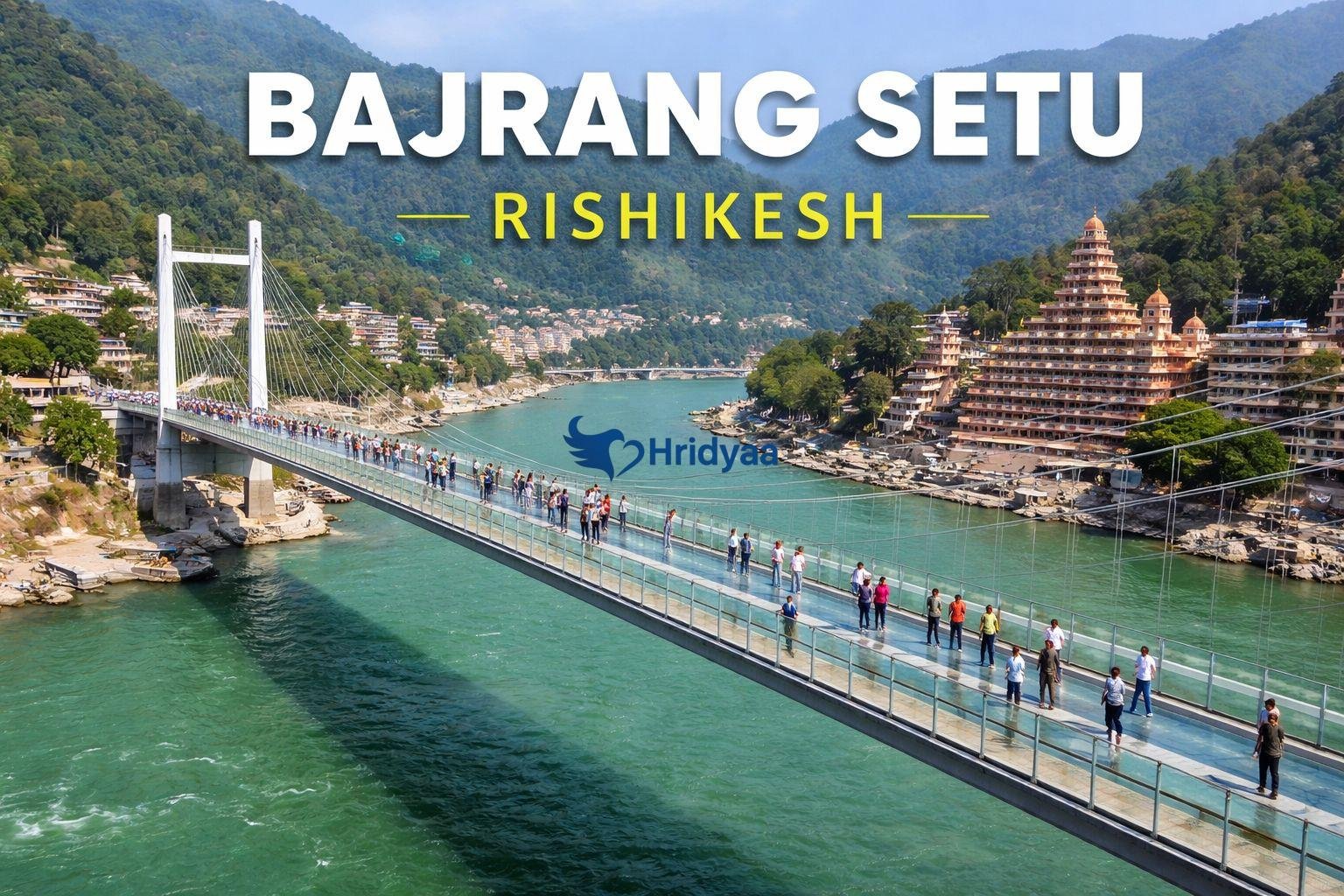
Bajrang Setu is a modern cable suspension bridge constructed across the Ganga River in Rishikesh, developed as the official Lakshman Jhula replacement after the historic bridge was permanently closed in 2019 due to safety concerns. As the new bridge in Rishikesh, it restores a major pedestrian crossing that had remained disrupted for several years.
The bridge is currently open to pedestrians, while its formal inauguration ceremony is scheduled for 28 February 2026. Designed under updated engineering standards, Bajrang Setu addresses long-standing structural limitations associated with the earlier bridge and re-establishes direct connectivity between the Tapovan and Jonk sides of Rishikesh.
Beyond its functional role, the bridge introduces reinforced glass pedestrian walkways that allow clear views of the Ganga below. Often referred to as the glass bridge in Rishikesh, it reflects a contemporary approach to infrastructure design in a city long associated with spiritual tourism and riverfront heritage.
What is Bajrang Setu?
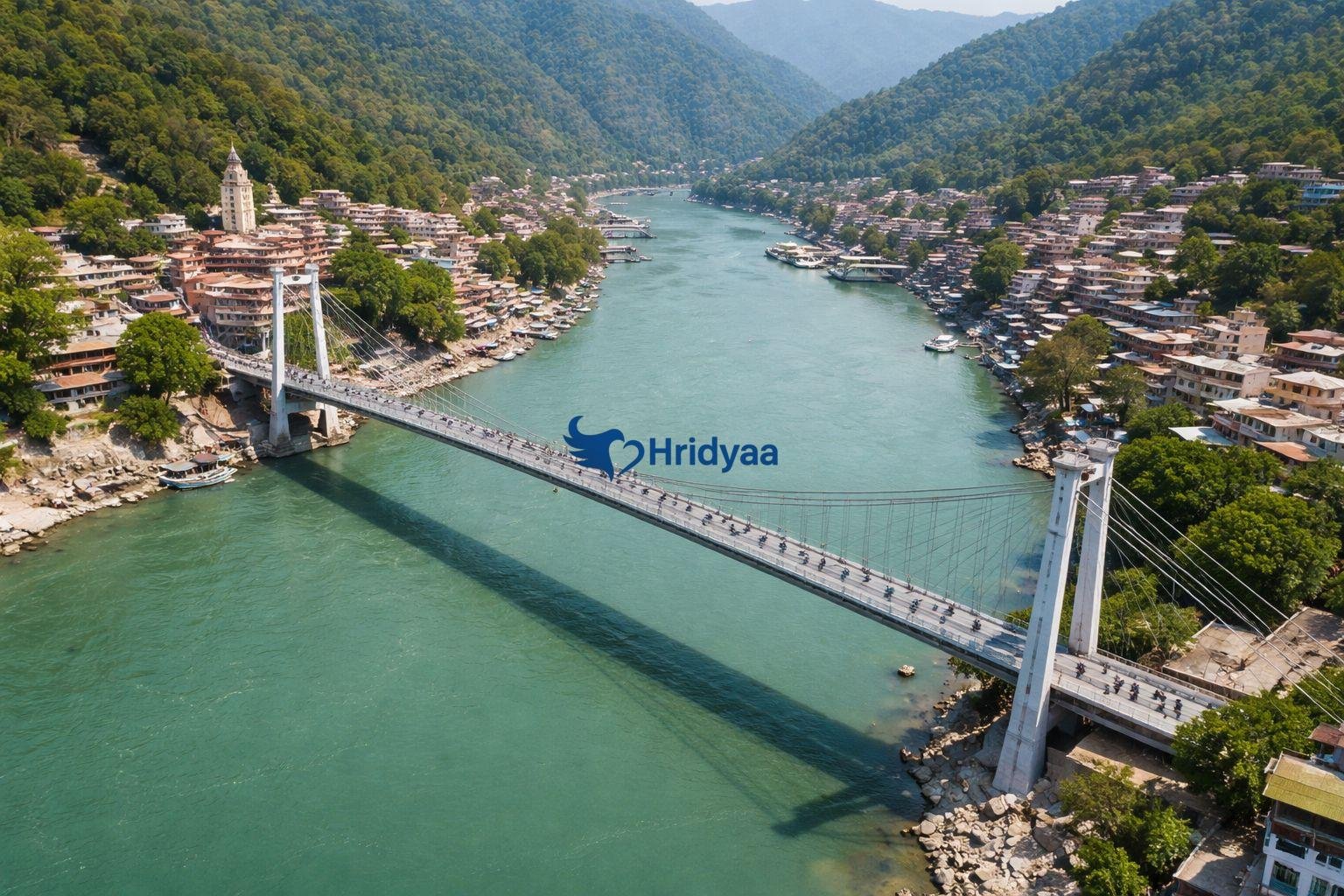
Bajrang Setu is a cable suspension bridge built along the same alignment that was previously served by Lakshman Jhula. It functions as the primary structural replacement for Lakshman Jhula, reconnecting the Tapovan side of Tehri Garhwal district with the Jonk side of Pauri Garhwal district.
The bridge spans approximately 132 meters in length and measures around 8 meters in width, providing a wider and more stable pedestrian crossing compared to its predecessor. It has been engineered to accommodate contemporary tourist footfall while meeting updated structural safety standards.
One of its most distinctive features is the inclusion of reinforced multi-layer glass walkways on both sides of the bridge. These sections allow pedestrians to view the Ganga directly beneath their feet while maintaining controlled load distribution across the structure.
At present, Bajrang Setu operates exclusively as a pedestrian-only bridge. No vehicle movement, including two-wheelers, is permitted.
Why Lakshman Jhula Was Closed
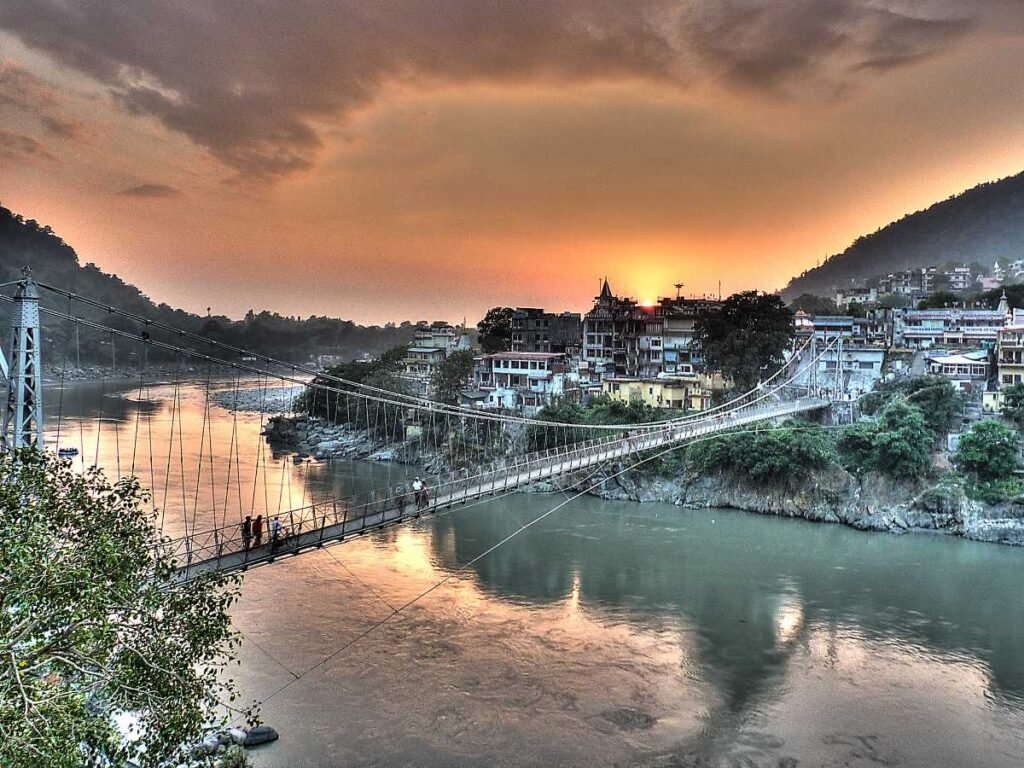
Lakshman Jhula was constructed in 1929 as a pedestrian suspension bridge. Over the decades, however, usage patterns changed significantly. The bridge began accommodating not only large volumes of tourists but also two-wheelers and sustained daily commercial movement, exceeding the capacity for which it was originally designed.
Continuous vibration loads, increasing footfall, and structural fatigue gradually raised safety concerns. In July 2019, authorities permanently closed Lakshman Jhula to public movement following structural assessments that indicated the bridge could no longer support long-term operational safety.
Its closure disrupted direct pedestrian connectivity between Tapovan and Jonk and increased pressure on alternative crossings such as Ram Jhula. The decision created both logistical challenges and economic impact within the Lakshman Jhula market corridor.
The development of Bajrang Setu followed as a planned response to these structural limitations, ensuring that river connectivity in Rishikesh could continue under modern safety standards.
Location and Connectivity
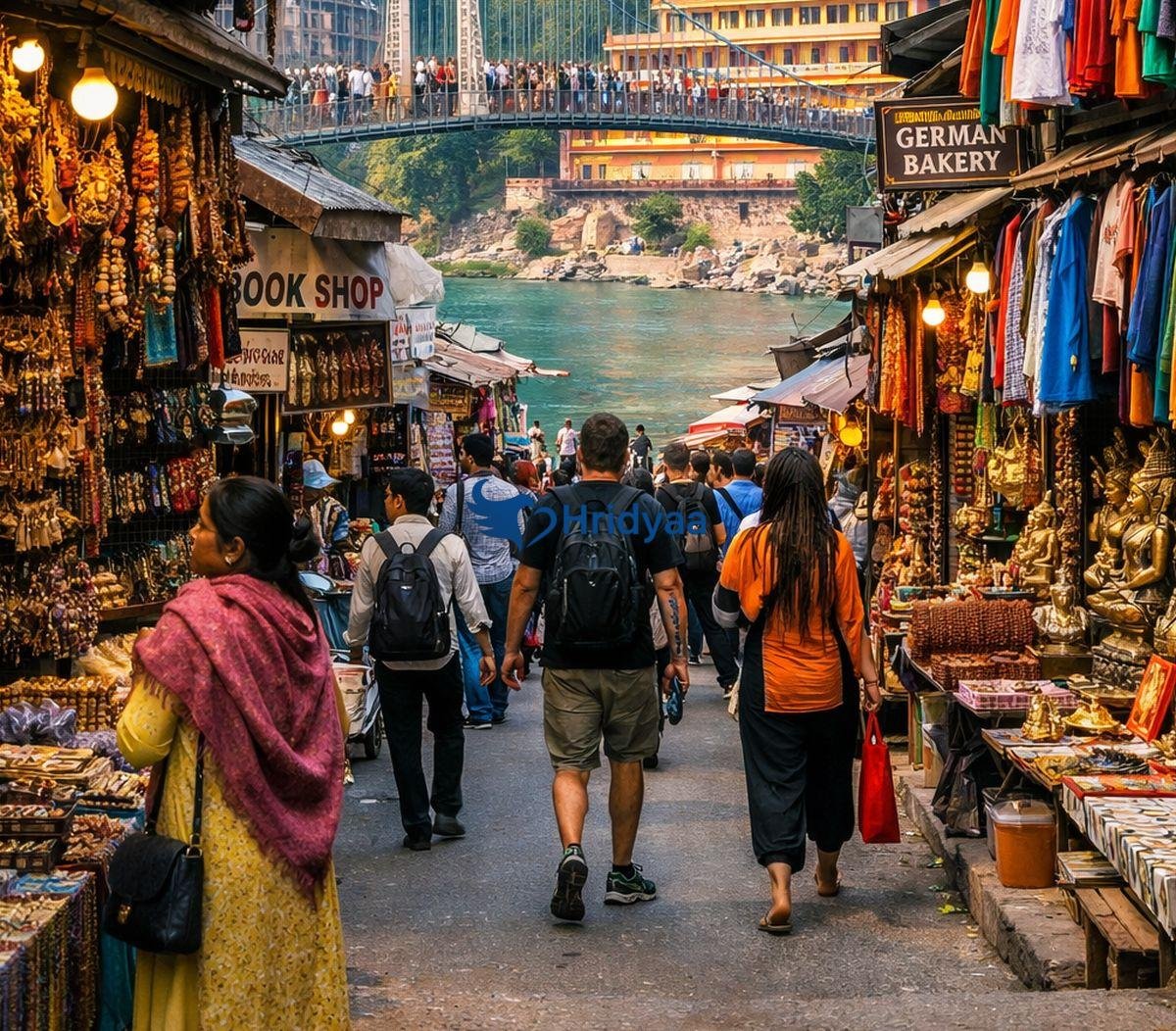
Bajrang Setu is located along the former Lakshman Jhula alignment, connecting the Tapovan side in Tehri Garhwal district with the Jonk side in Pauri Garhwal district. This corridor forms one of the most active pedestrian and tourism belts in Rishikesh.
The Tapovan side is known for yoga institutes, boutique stays, cafés, and rafting operators, while the Jonk side provides access to local markets and residential areas. By restoring this crossing, Bajrang Setu re-establishes a direct walking route that had remained disrupted since the closure of Lakshman Jhula in 2019.
It is important to distinguish this bridge from Ram Jhula, which serves a separate corridor closer to the Swarg Ashram belt. Bajrang Setu specifically supports the Lakshman Jhula market zone and its surrounding hospitality cluster.
During late afternoons and weekends, foot traffic typically increases as visitors move between Tapovan cafés and the market area. The wider deck design allows smoother circulation compared to the final operational years of Lakshman Jhula.
You should also read, Complete Rishikesh Travel Guide – Where to Stay, Things to Do & Trip Planning Tips
Design and Engineering Overview
Bajrang Setu has been developed as a modern cable suspension bridge designed to meet updated structural and safety standards. With an approximate span of 132 meters and a width of around 8 meters, it offers a broader and more stable crossing compared to the historic Lakshman Jhula.
The bridge incorporates upgraded suspension cables, improved load distribution mechanisms, and enhanced vibration control systems. These upgrades address the structural limitations that contributed to the closure of Lakshman Jhula in 2019.
One of the most distinctive elements of the design is the integration of reinforced multi-layer glass pedestrian sections along both sides of the deck. These panels are engineered to support dynamic pedestrian loads while allowing unobstructed views of the Ganga below.
The structural approach reflects a shift from early twentieth-century bridge construction toward contemporary infrastructure planning suited to present-day tourism volumes in Rishikesh.
Structural Improvements Compared to Lakshman Jhula
Lakshman Jhula was constructed in 1929 under engineering standards appropriate for its time and was originally intended primarily for pedestrian movement. Over the decades, increasing tourism, two-wheeler usage, and sustained vibration loads placed pressure on a structure that had not been designed for such long-term demand.
Bajrang Setu addresses these limitations through wider deck dimensions, improved load distribution systems, and upgraded suspension components. The increased width allows better pedestrian circulation, particularly during peak evening hours and seasonal tourism surges.
Modern vibration control mechanisms reduce lateral sway and structural oscillation, creating a noticeably firmer walking experience. The use of reinforced materials and updated safety standards reflects contemporary infrastructure planning aligned with present-day footfall patterns in Rishikesh.
While Lakshman Jhula remains culturally significant, Bajrang Setu represents a structural evolution designed to support long-term public safety and tourism sustainability.
Current Operational Status
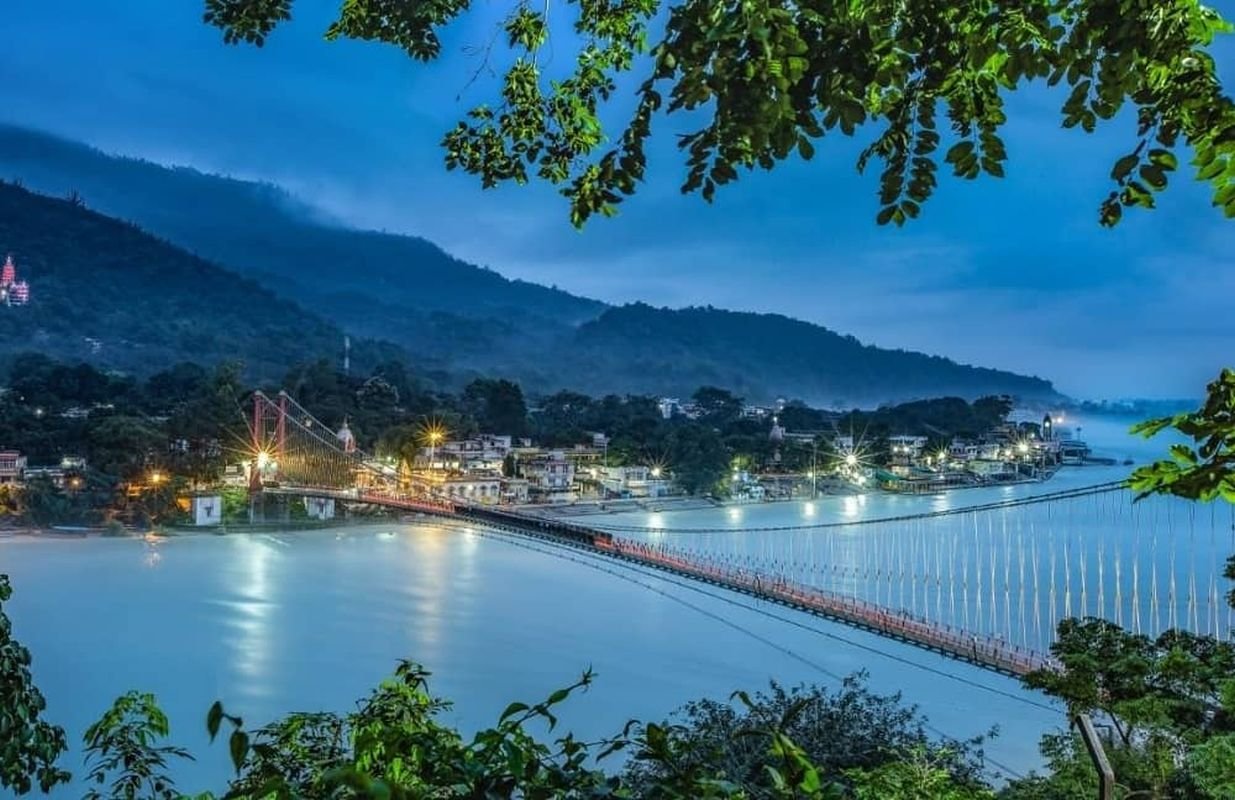
Is Bajrang Setu open? Yes, the bridge is currently accessible to pedestrians.
Bajrang Setu is currently open for pedestrian use. Public movement across the bridge is permitted throughout the day, subject to local administrative guidelines.
The bridge operates exclusively as a pedestrian-only crossing. No vehicle movement, including two-wheelers, is allowed at present. This restriction supports controlled structural load management and enhances safety during the initial operational phase.
The official inauguration ceremony is scheduled for 28 February 2026. While formal proceedings will mark its ceremonial launch, pedestrian access has already commenced.
Visitors planning to cross the bridge around the inauguration date may experience increased footfall and temporary crowd management measures.
Visitor Experience and Walking Conditions
Walking across Bajrang Setu offers a noticeably more stable experience compared to older suspension bridges in the region. The wider deck and upgraded suspension system reduce lateral sway, resulting in a firmer and more controlled crossing even when pedestrian movement increases.
The reinforced glass pedestrian sections along both sides of the bridge create a distinct visual perspective. Looking down through the panels at the flowing Ganga introduces a modern element to what has historically been a traditional river crossing in Rishikesh. Visitors who prefer not to walk directly over the transparent sections can remain on the solid deck portions.
Because the bridge is currently pedestrian-only, the walking environment remains calmer than the final years of Lakshman Jhula, when mixed two-wheeler and pedestrian movement contributed to congestion and vibration. The absence of vehicles allows smoother circulation, particularly during late afternoons when foot traffic tends to increase.
During peak evening hours and weekends, moderate crowding may occur near the Tapovan entry point, especially around café clusters and market access areas. However, the expanded width of the deck generally supports steady movement without bottlenecks.
Overall, the experience combines structural firmness with open river views, offering a crossing that feels both contemporary and functionally grounded.
Best Time to Visit Bajrang Setu
Bajrang Setu remains accessible throughout the day, but the overall experience varies depending on timing and seasonal conditions.
Early mornings generally provide the most comfortable walking environment. Lower pedestrian movement, clearer air, and softer natural light make this period suitable for uninterrupted crossing and photography. The river appears calmer during these hours, and visibility across the surrounding hills is often clearer.
Late afternoons and sunset hours attract higher footfall, particularly on weekends and during peak tourism months. The changing sky tones over the Ganga create a visually distinctive setting, which draws visitors from the Tapovan and Lakshman Jhula market areas. While the bridge can feel busier during this time, its broader deck design supports steady circulation.
Midday visits remain practical but may feel warmer during summer months. Winter and early spring typically offer the most comfortable climate conditions, with moderate temperatures and improved visibility.
Seasonal tourism patterns in Rishikesh also influence foot traffic. Holiday periods, long weekends, and festival seasons can result in increased movement across the bridge.
For visitors seeking a quieter crossing, early morning on weekdays generally offers the most balanced experience.
Entry, Access and Practical Guidelines
Bajrang Setu currently operates as a public pedestrian crossing. There is no officially notified entry fee for walking across the bridge, and access remains open throughout the day, subject to local administrative advisories.
The bridge is strictly pedestrian-only. No vehicle movement, including two-wheelers, is permitted. This restriction helps maintain structural stability and reduces vibration-related stress on the suspension system.
Visitors approaching the bridge from the Tapovan side will typically enter through the Lakshman Jhula market corridor, where foot traffic can increase during evenings and weekends. Movement generally remains steady due to the wider deck, though short slowdowns may occur near entry points during peak tourism periods.
Comfortable footwear is advisable, as the deck surface combines solid flooring with glass-integrated sections. Individuals who experience discomfort with transparent flooring can use the non-glass portions of the walkway.
As with all public infrastructure in Rishikesh, visitors are expected to follow posted safety instructions and maintain cleanliness along the crossing.
Comparative Overview: Bajrang Setu, Lakshman Jhula and Ram Jhula
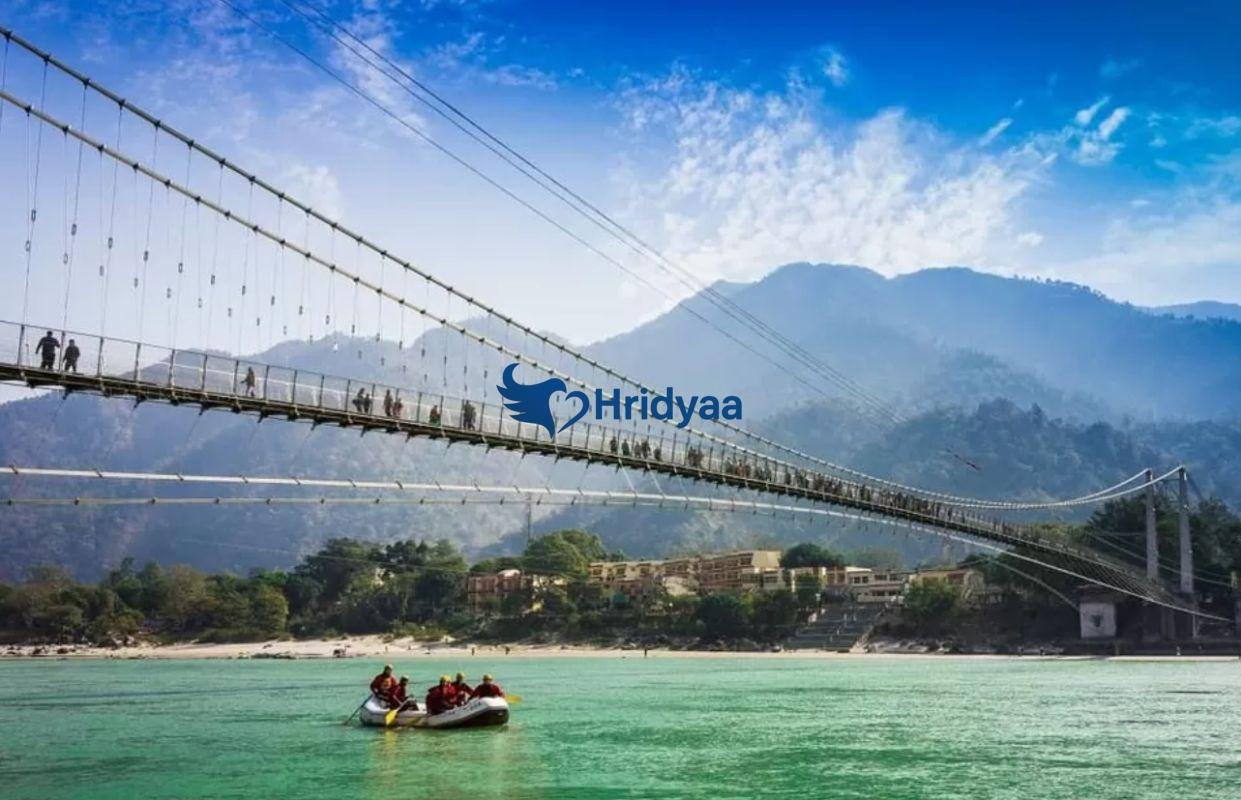
To understand the role of Bajrang Setu within the broader river-crossing network of Rishikesh, it is helpful to compare it with Lakshman Jhula and Ram Jhula.
Lakshman Jhula, constructed in 1929, served as the primary pedestrian crossing in the Tapovan–Jonk corridor for nearly a century. Its narrow deck and early twentieth-century engineering design reflected the requirements of its time. However, increasing tourism and two-wheeler movement eventually exceeded its structural capacity, leading to its permanent closure in 2019.
Ram Jhula, located in a separate corridor closer to the Swarg Ashram belt, continues to function as an active suspension bridge. It supports both pedestrian and controlled two-wheeler movement and remains an important crossing for central Rishikesh.
Bajrang Setu differs in both structural approach and operational model. Built along the former Lakshman Jhula alignment, it restores that corridor using a wider deck, updated suspension components, reinforced glass pedestrian sections, and modern load management standards. It currently operates as a pedestrian-only crossing, prioritizing structural stability and crowd control.
In practical terms, Lakshman Jhula represented heritage, Ram Jhula continues to provide active connectivity in its zone, and Bajrang Setu reflects the modernization of river-crossing infrastructure in Rishikesh.
Each bridge occupies a distinct geographic and functional role within the city’s layout.
Frequently Asked Questions About Bajrang Setu
What is Bajrang Setu in Rishikesh?
Bajrang Setu is a modern cable suspension bridge built across the Ganga River in Rishikesh, replacing the older Lakshman Jhula which was closed in 2019 due to safety concerns. It features reinforced glass pedestrian walkways and restores a key river crossing in the Tapovan–Jonk corridor.
Is Bajrang Setu open for the public now?
Yes. Bajrang Setu is already open for pedestrian access. People can walk across the bridge and experience the views of the river. The official inauguration ceremony is scheduled for 28 February 2026, but the bridge is currently operational for walkers.
Can vehicles cross Bajrang Setu?
At present, Bajrang Setu operates as a pedestrian-only bridge. Vehicle movement, including two-wheelers and cars, is not permitted during the initial operational phase.
Is there an entry fee to visit Bajrang Setu?
As of current public access information, there is no officially notified entry fee for walking on Bajrang Setu. It functions as a public crossing rather than a ticketed attraction. Visitors should always check for any updated regulations or event-related changes around inauguration time.
What makes Bajrang Setu different from Lakshman Jhula and Ram Jhula?
Bajrang Setu differs primarily in its design and structural standards. It replaces Lakshman Jhula’s alignment with a modern, wider suspension bridge system and includes reinforced glass walkways for river views. Ram Jhula, on the other hand, continues to serve its own corridor and remains a separate functional crossing.
Is it safe to walk on the glass sections of Bajrang Setu?
Yes. The glass walkways are engineered as reinforced multi-layer panels designed for strength and durability under pedestrian load. The structural design incorporates current safety standards appropriate for public access.
What is the best time of day to visit Bajrang Setu?
Early mornings and late afternoons are often recommended for visiting Bajrang Setu. Morning hours generally provide softer light and lower footfall, while late afternoon can offer scenic sunset views over the Ganga and surrounding hills.
Is Bajrang Setu suitable for children and elderly people?
Yes. Bajrang Setu provides a level pedestrian deck that is accessible to most age groups. Visitors are advised to wear comfortable footwear and exercise caution on the glass sections if they have sensitivity to open views or heights.
Can I take photographs on Bajrang Setu?
Photography is commonly done on Bajrang Setu, especially because the glass walkways offer panoramic views of the river and landscape. Visitors should be mindful of crowd movement and avoid obstructing foot traffic.
What attractions can I visit near Bajrang Setu?
Bajrang Setu is located close to a number of Rishikesh highlights, including yoga schools and cafes in Tapovan, ashrams, riverbank dining spots, and the vibrant markets near the old Lakshman Jhula area.
Conclusion: Bajrang Setu and the Future of River Connectivity in Rishikesh
Bajrang Setu represents a structural transition in the evolving landscape of Rishikesh. Built along the alignment once served by Lakshman Jhula, the bridge restores a vital pedestrian connection that had remained disrupted since 2019.
Its wider deck, reinforced suspension system, and integrated glass walkways reflect contemporary engineering standards adapted to modern tourism volumes. At the same time, its location within the Tapovan–Jonk corridor preserves the cultural and spiritual continuity long associated with this river crossing.
Currently operating as a pedestrian-only bridge, Bajrang Setu provides controlled, stable access across the Ganga while reducing structural strain historically associated with mixed traffic movement. The official inauguration on 28 February 2026 formally marks its entry into the city’s infrastructure network, though public access has already begun.
In practical terms, the bridge restores balance. It redistributes foot traffic, eases pressure on Ram Jhula, and reactivates one of Rishikesh’s most active tourism corridors. In structural terms, it represents modernization. In symbolic terms, it reflects continuity.
Bajrang Setu is not simply a replacement for a historic landmark. It is the next phase in the ongoing development of river connectivity in Rishikesh.


Join The Discussion