
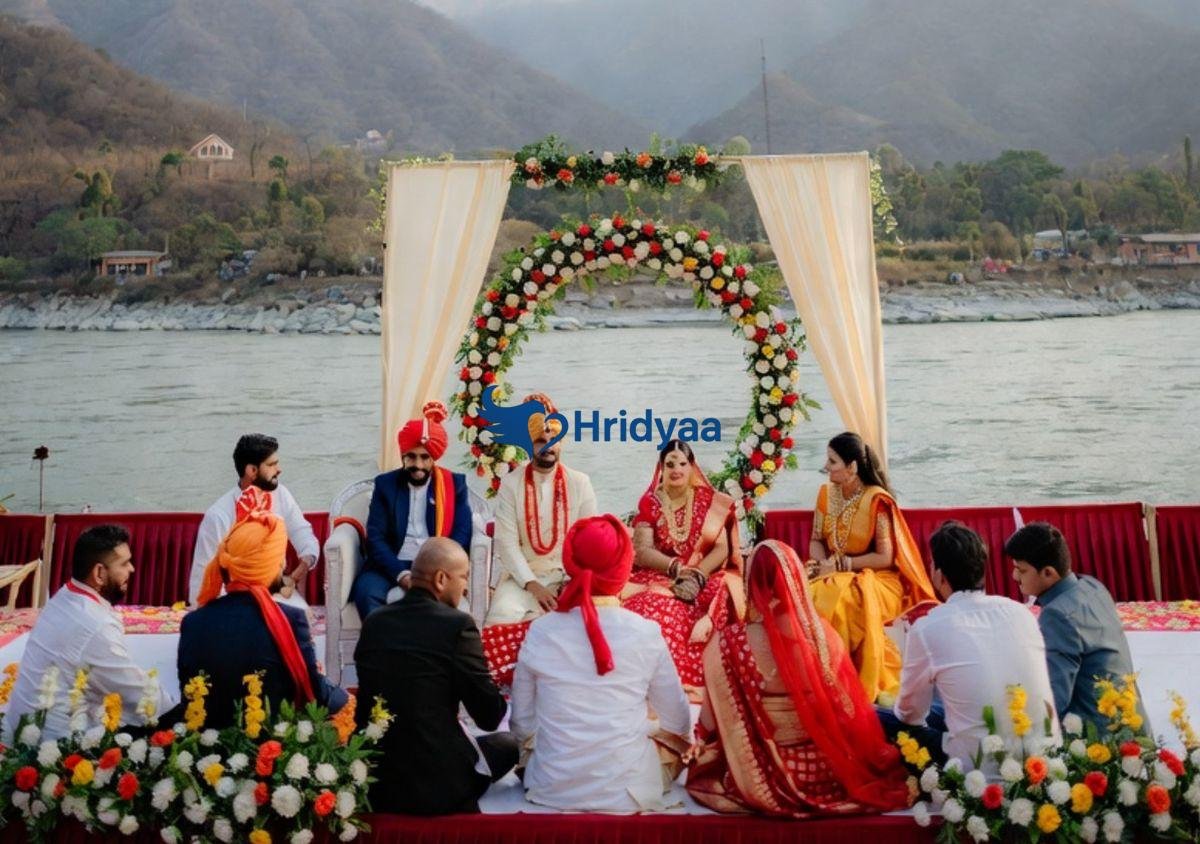
Choosing the right time for a wedding in Rishikesh is as important as choosing the venue itself. Unlike metro cities where indoor venues reduce seasonal impact, weddings in Rishikesh are closely connected to weather, natural light, and regulations. The season you choose directly shapes the atmosphere, comfort of guests, overall cost, and the kind of celebration you can host.
Here’s a clear, practical breakdown of the best time to get married in Rishikesh, along with the pros and limitations of each season.
Peak Wedding Months in Rishikesh
The most popular wedding season in Rishikesh runs from October to March. These months offer stable weather, pleasant temperatures, and ideal conditions for outdoor and daytime ceremonies.
During this period, venues are in high demand, especially riverside and hill-facing resorts. Couples planning weddings in peak months should expect higher costs and limited availability, but also the most comfortable and visually appealing settings.
Peak season works best for couples who want:
- Outdoor ceremonies
- Daytime rituals
- Comfortable guest experience
- Predictable weather
Winter Weddings in Rishikesh (October to February)
Winter is considered the best overall season for weddings in Rishikesh.
Weather Experience
Days are cool and pleasant, while nights can be chilly, especially near the river and in hilltop locations. Natural light during the day is soft and ideal for photography.
Why Couples Choose Winter
Winter weddings allow for daytime pheras, riverside ceremonies, and open-air functions without discomfort. The calm atmosphere aligns perfectly with Rishikesh’s spiritual and nature-driven appeal.
Things to Keep in Mind
Evenings require warm arrangements for guests, especially seniors. Late-night outdoor functions are less common due to temperature drops and sound restrictions.
Winter is ideal for spiritual, intimate, and mid-size weddings where comfort and atmosphere matter more than nightlife.
Summer Weddings in Rishikesh (March to June)
Summer weddings are less common but still viable with the right planning.
Weather Experience
Days can be warm, particularly in May and June, while mornings and evenings remain relatively pleasant. Hilltop and forest-surrounded venues offer better comfort during this season.
Advantages of Summer Weddings
Summer offers better venue availability and slightly lower costs compared to peak winter months. Resorts and boutique venues are often more flexible with dates and packages.
Challenges
Midday outdoor ceremonies can be uncomfortable, making early-morning or late-afternoon rituals more suitable. Guest comfort needs careful planning, especially for daytime events.
Summer works best for smaller weddings, hill-based venues, and couples looking for cost flexibility.
Monsoon Weddings in Rishikesh (July to September)
Monsoon is considered the off-season for weddings in Rishikesh, but it appeals to a specific kind of couple.
Weather Experience
The landscape turns lush and vibrant, with the Ganga River flowing at its fullest. However, rainfall can be unpredictable, and outdoor plans may need adjustments.
Pros of Monsoon Weddings
Venues are widely available, costs are lower, and the surroundings are at their greenest. For couples drawn to quiet, privacy, and dramatic natural beauty, monsoon can be uniquely appealing.
Limitations
Outdoor ceremonies carry risk due to rain, and some riverside areas may have restrictions. Monsoon weddings require backup plans and flexible scheduling.
This season suits very intimate weddings and couples comfortable with unpredictability.
Pros and Cons of Each Wedding Season in Rishikesh
Every season offers a different experience. Winter provides comfort and reliability, summer offers flexibility and availability, while monsoon brings cost advantages and lush scenery. The best season depends on whether a couple prioritises atmosphere, budget, guest comfort, or exclusivity.
There is no universally “perfect” time — only the right time for your wedding style.
Off-Season Benefits: Cost and Availability
One of the biggest advantages of choosing non-peak months is reduced cost pressure. Venues, accommodations, and vendors are often more flexible during off-season periods, allowing couples to negotiate better packages.
Off-season weddings also offer greater privacy. With fewer events happening simultaneously, couples often receive more focused attention from venue staff and planners.
For couples planning intimate, experience-driven weddings, off-season timing can be both practical and emotionally rewarding.
Final Thoughts: Choosing the Right Season for Your Wedding
The best time to get married in Rishikesh depends on what you value most — predictable weather, budget control, natural beauty, or exclusivity. The city’s strength lies in its ability to support weddings across seasons, each with a distinct mood and rhythm.
When timing aligns with intention, Rishikesh becomes more than a wedding destination — it becomes part of the celebration itself.


Join The Discussion