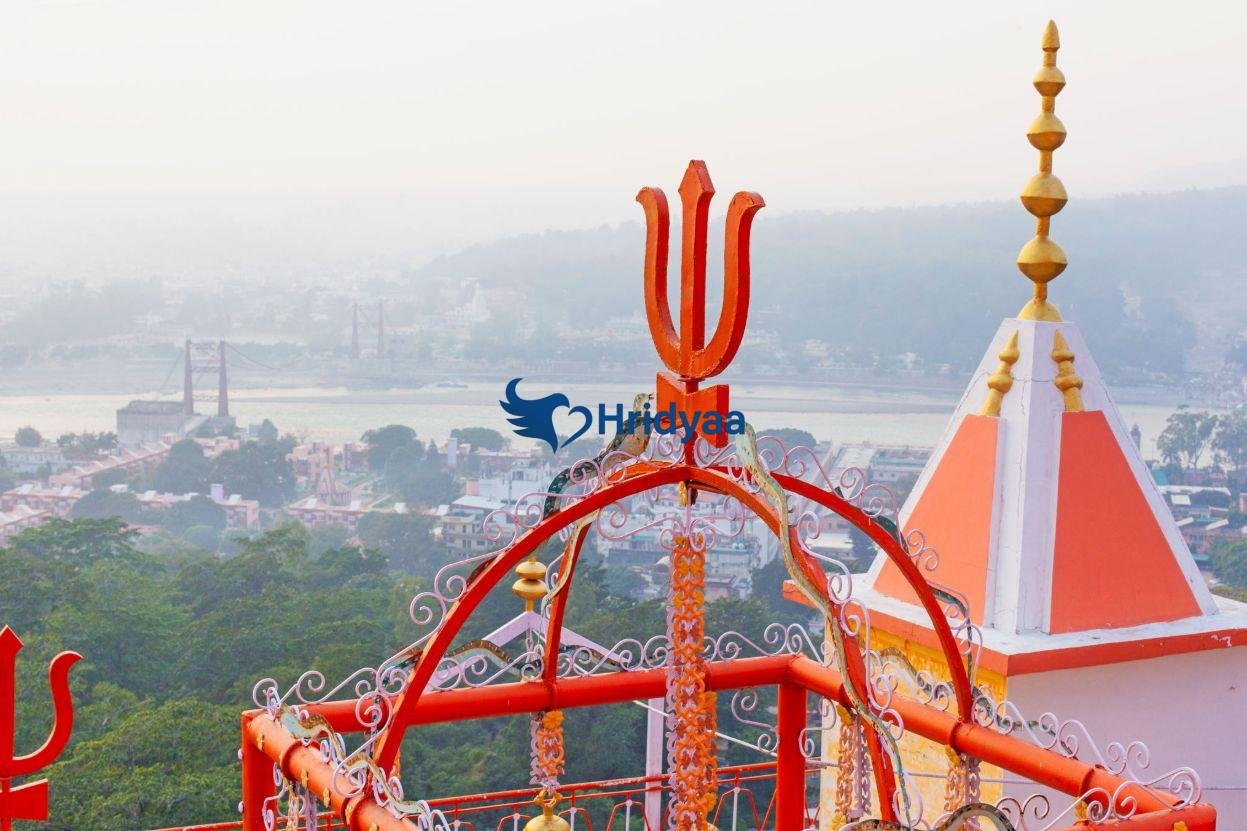
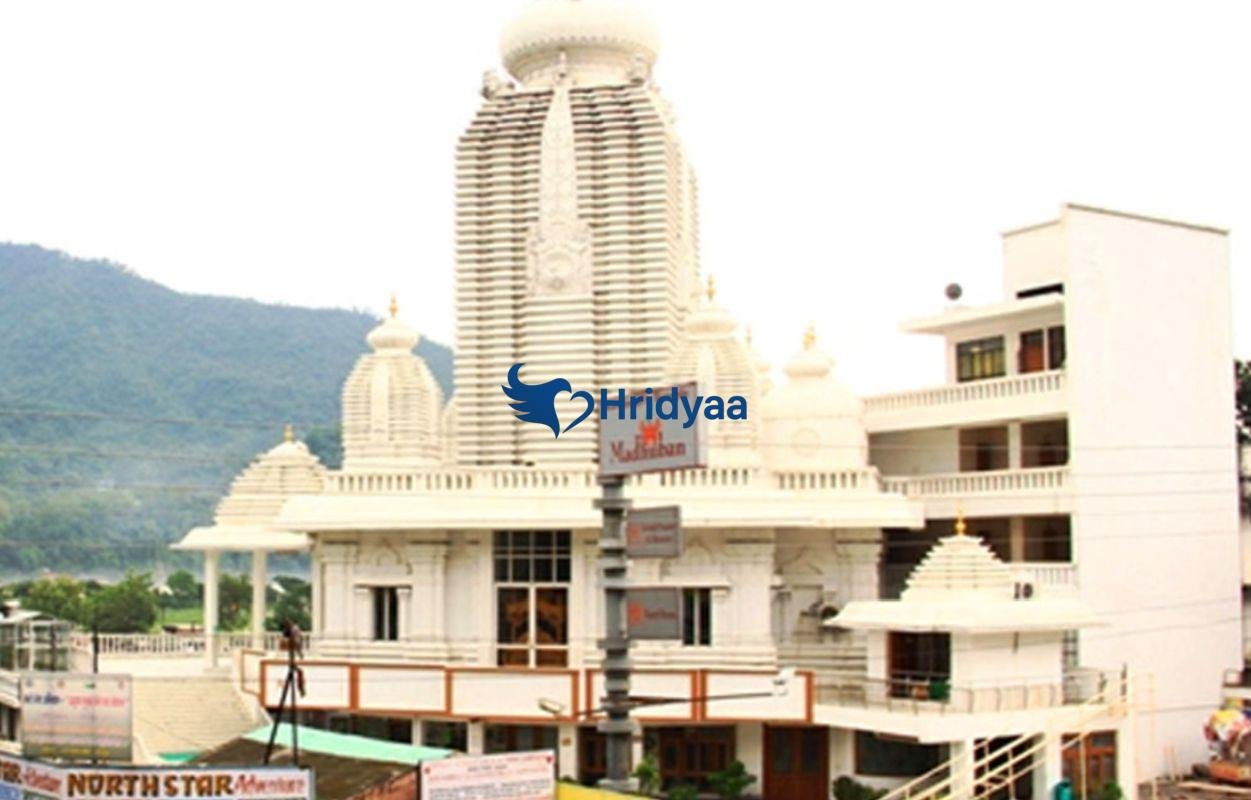
ISKCON Temple (Madhuban Ashram) represents a quieter, more structured spiritual space within Rishikesh. Unlike the busy river ghats or large public ceremonies, this ashram–temple complex focuses on disciplined devotion, study, and daily routine rooted in Vaishnava tradition. Set slightly away from the constant movement of town centers, Madhuban Ashram attracts visitors who are curious about ISKCON...
Articles
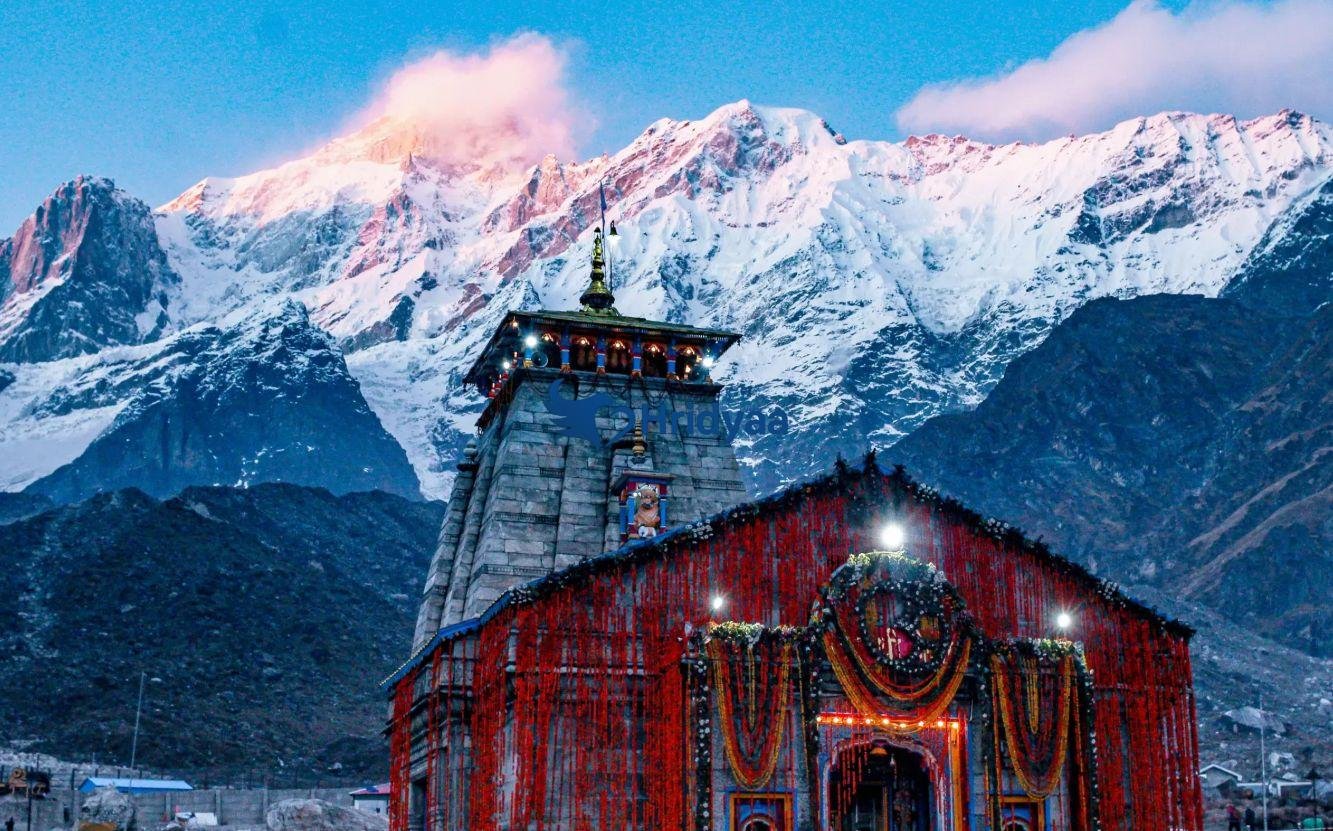
Kedarnath Temple is not just another pilgrimage site in the Himalayas; it is a destination defined by altitude, weather, faith, and physical effort. Situated high in the Garhwal Himalayas, the temple’s accessibility is limited by nature itself, which shapes when, how, and even if one can visit in a given year. For travelers and devotees alike, understanding the real conditions around Kedarnath Temple is...
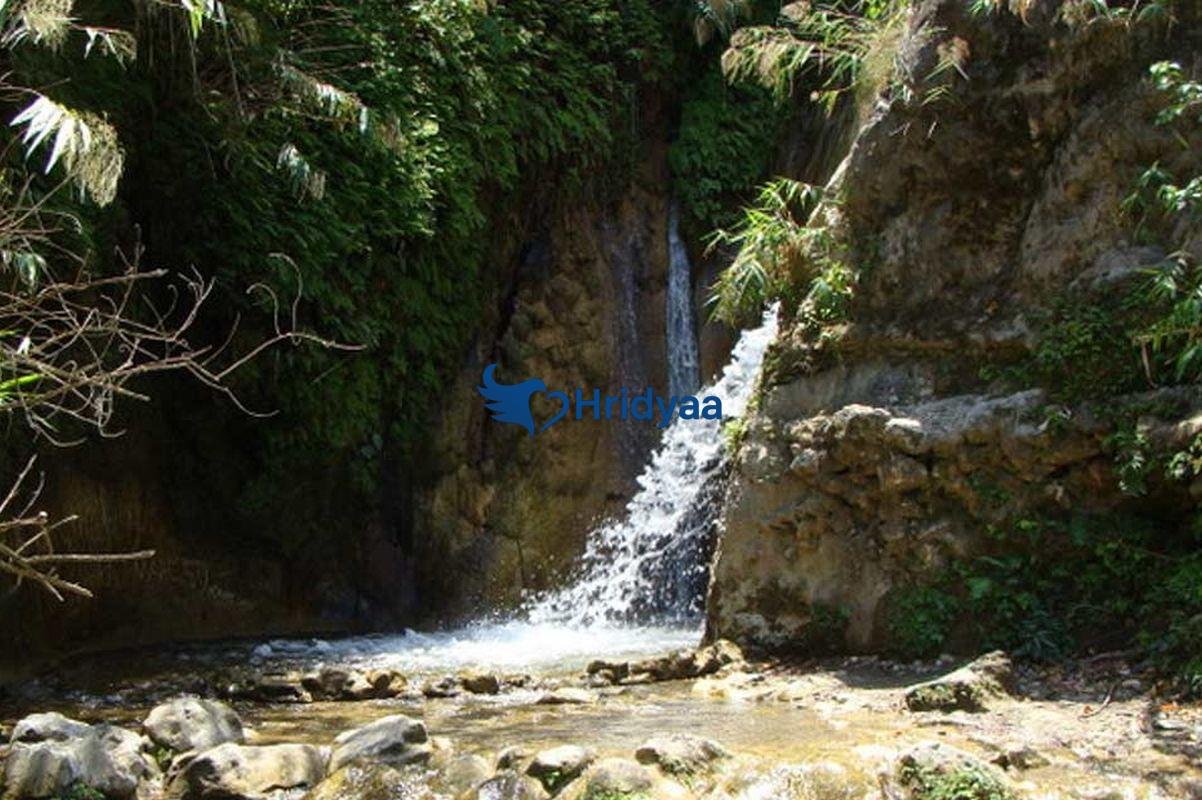
Garudchatti Waterfall is one of the lesser-known natural breaks from the spiritual and urban rhythm of Rishikesh. Unlike popular waterfalls promoted heavily on social media, this one remains understated, seasonal, and closely tied to the forest ecosystem of the lower Himalayan foothills. It is not a destination built for crowds or comfort, but a short forest detour that rewards travelers who value quiet...
Vashishta Gufa is one of the quietest and most inward-facing spiritual spaces associated with Rishikesh. Unlike riverfront ghats or busy ashrams, this ancient cave is known for silence rather than spectacle. Located on a secluded stretch of the Ganga, it represents an older rhythm of spiritual practice — one that values withdrawal, contemplation, and minimalism. For travelers who want to understand...
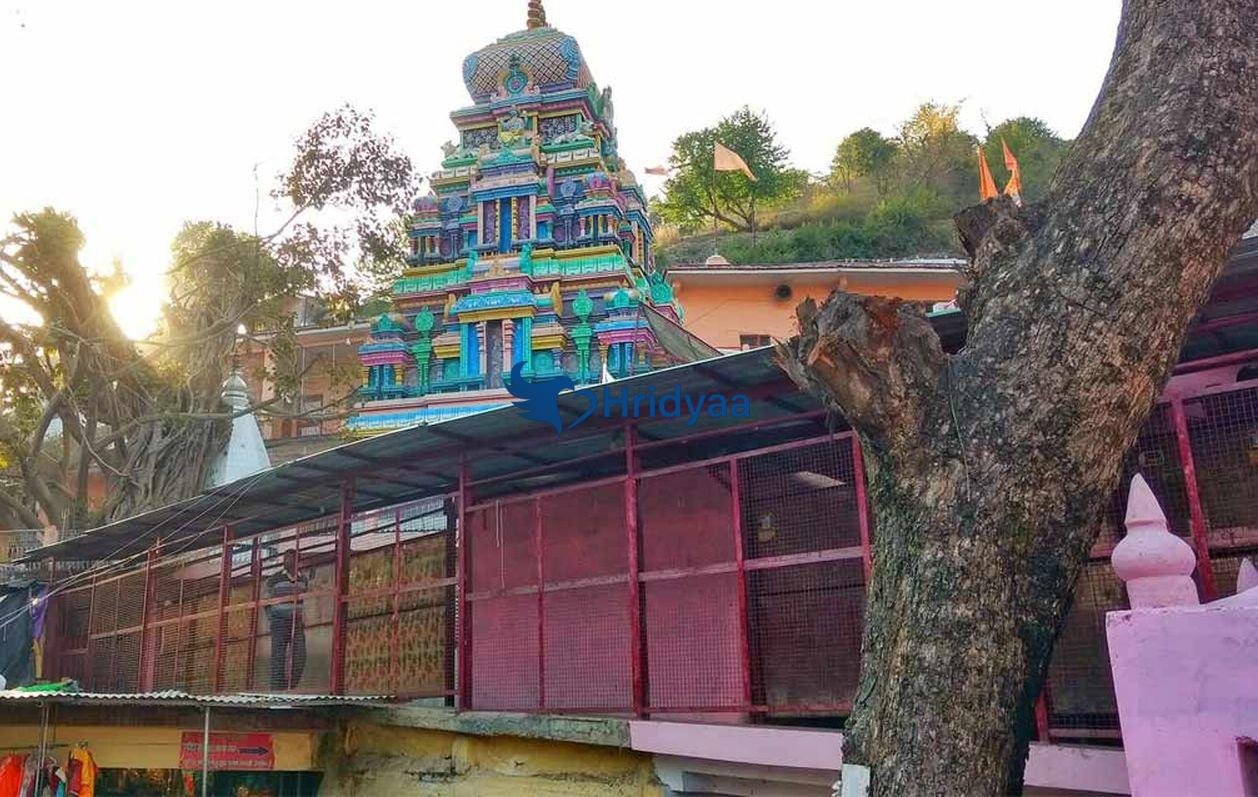
Neelkanth Mahadev Temple is one of the most revered Shiva shrines connected with Rishikesh, yet it feels distinctly removed from the town’s riverfront rhythm. Set deep inside forested hills above the Ganga valley, the temple is visited as much for its spiritual meaning as for the journey required to reach it. Unlike ghats or ashrams that blend into everyday life, this temple stands apart — physically,...
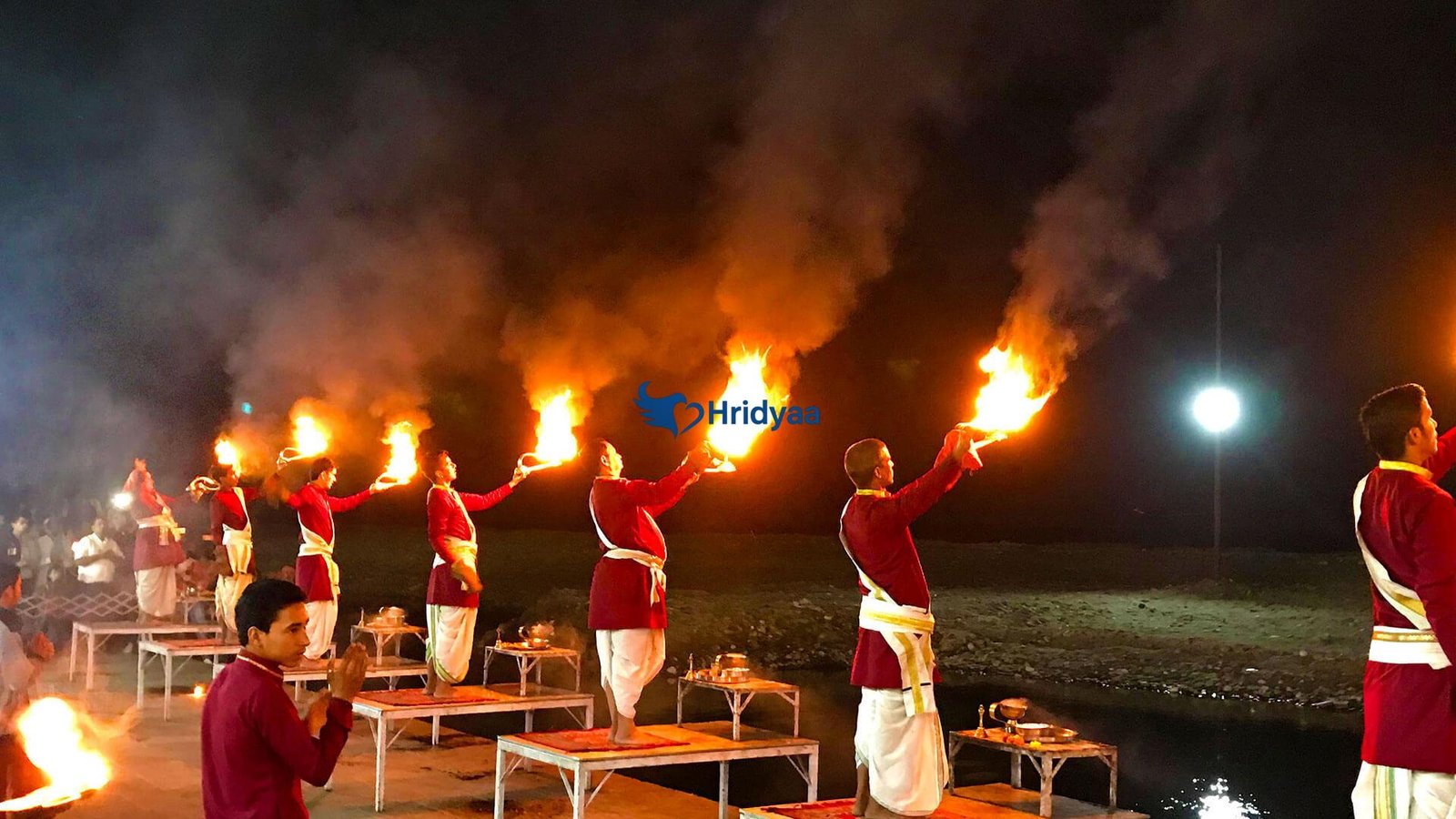
The Ganga Aarti at Triveni Ghat is one of the most visible daily rituals in Rishikesh, but it is also one of the most misunderstood. Unlike the quieter, ashram-led ceremonies upstream, this aarti unfolds at a busy riverfront where pilgrimage, daily life, and tourism overlap. Held every evening on the banks of the Ganga, it reflects how faith operates in a living town rather than a secluded spiritual...
Bhootnath Temple is one of the lesser-known yet deeply respected Shiva temples in Rishikesh. It does not draw crowds like the riverfront ashrams or famous ghats, and it does not feature prominently in guidebooks. What it offers instead is quiet continuity—a place where local faith has remained unchanged despite the rapid transformation of Rishikesh around it. Dedicated to Lord Shiva in his fierce and...
Parmarth Niketan is one of the most established and influential spiritual institutions in Rishikesh. Unlike places that attract visitors primarily for history or architecture, Parmarth Niketan is a living ashram—active, disciplined, and deeply rooted in daily spiritual practice. For many travelers, this is where the idea of Rishikesh as a functioning spiritual town becomes tangible. Situated along...
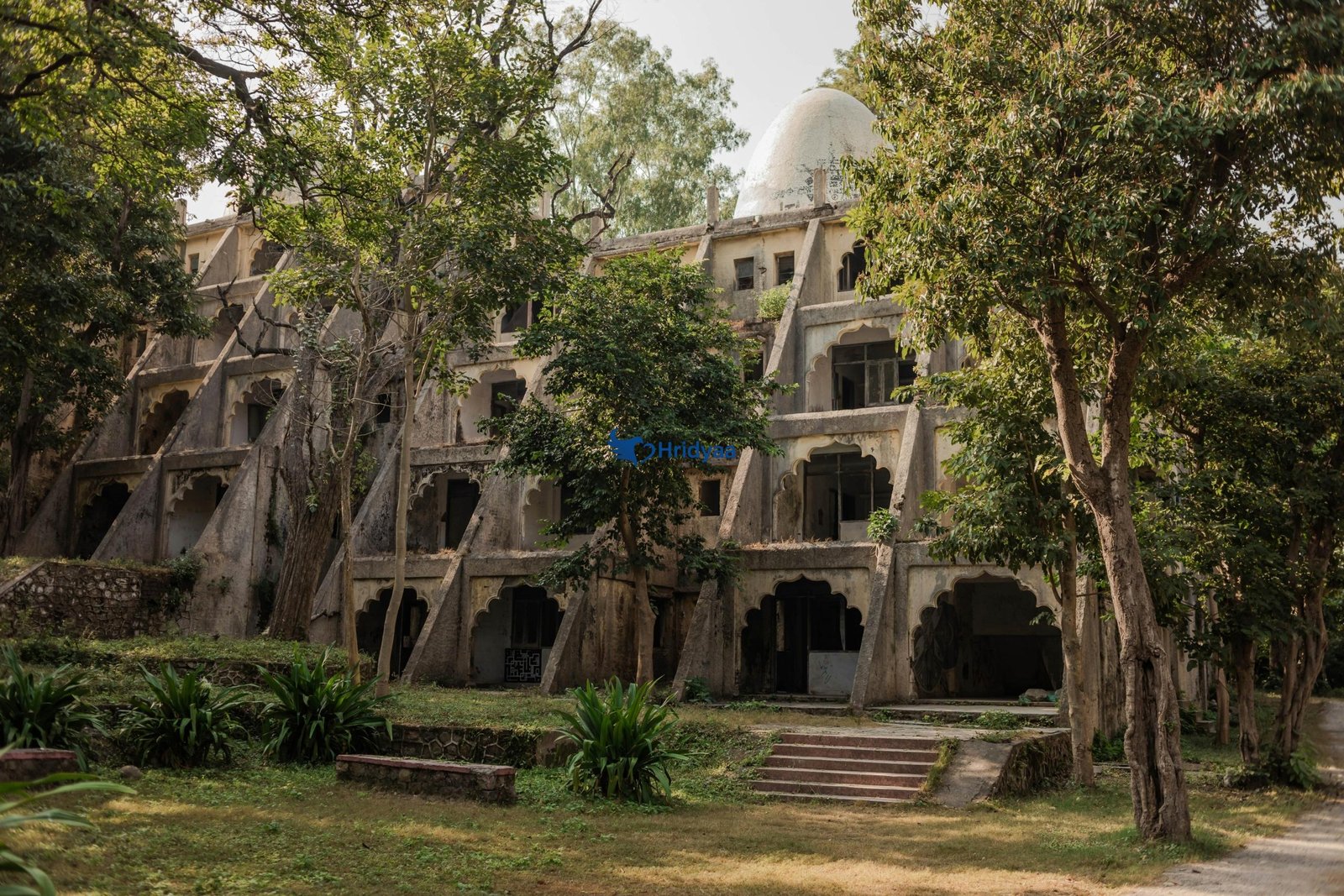
Beatles Ashram, officially known as Chaurasi Kutia, is one of the most quietly powerful places in Rishikesh. It is not a conventional tourist attraction, nor is it a functioning ashram anymore. What draws people here is not ritual or instruction, but atmosphere—a sense of pause, reflection, and historical depth that still lingers among its abandoned meditation huts and forest paths. Located inside...
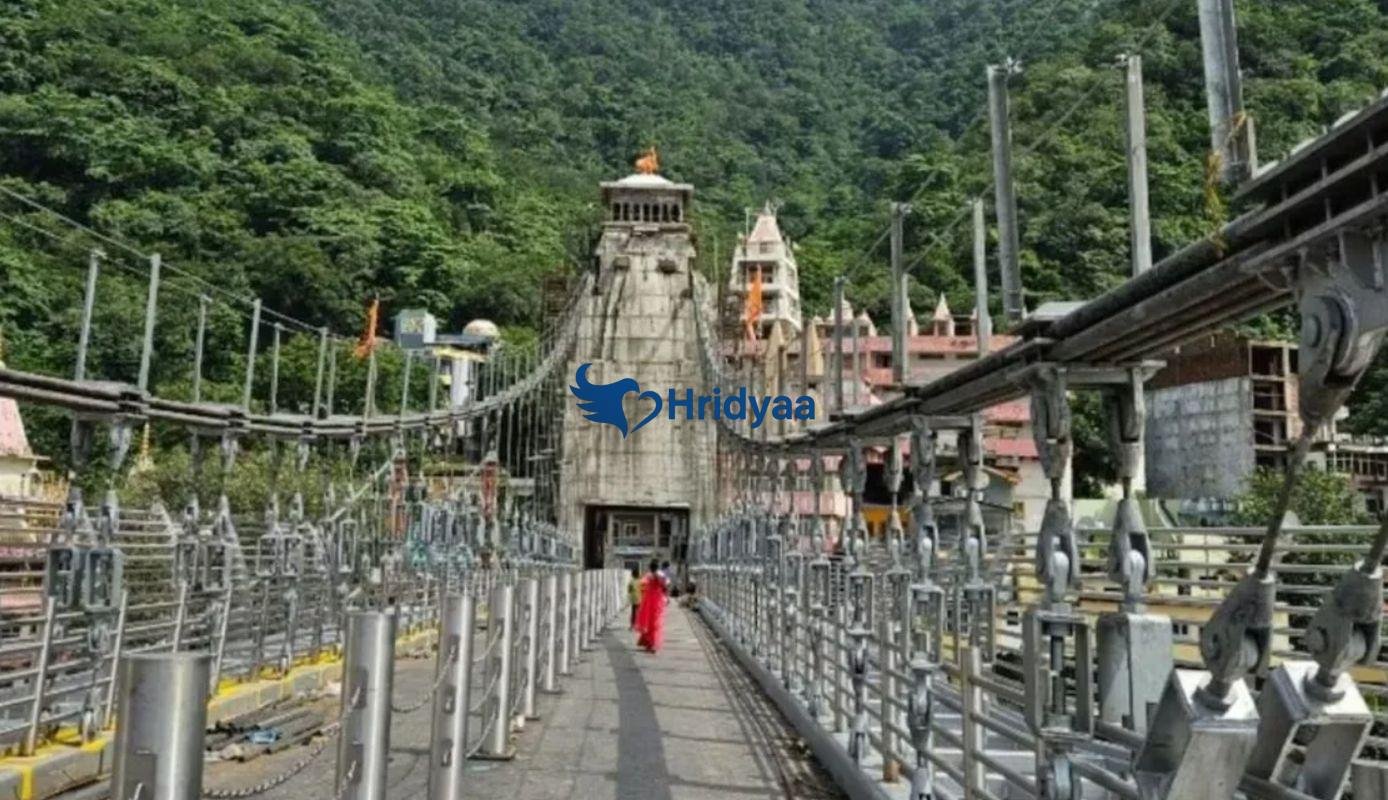
Bajrang Setu is the newly constructed bridge built as a permanent replacement for the historic Lakshman Jhula, which was closed in 2019 due to serious structural safety concerns. For travelers returning to Rishikesh after a gap, this change often causes confusion. Bajrang Setu now performs the role Lakshman Jhula once did—connecting the two spiritual and cultural halves of the town across the...