
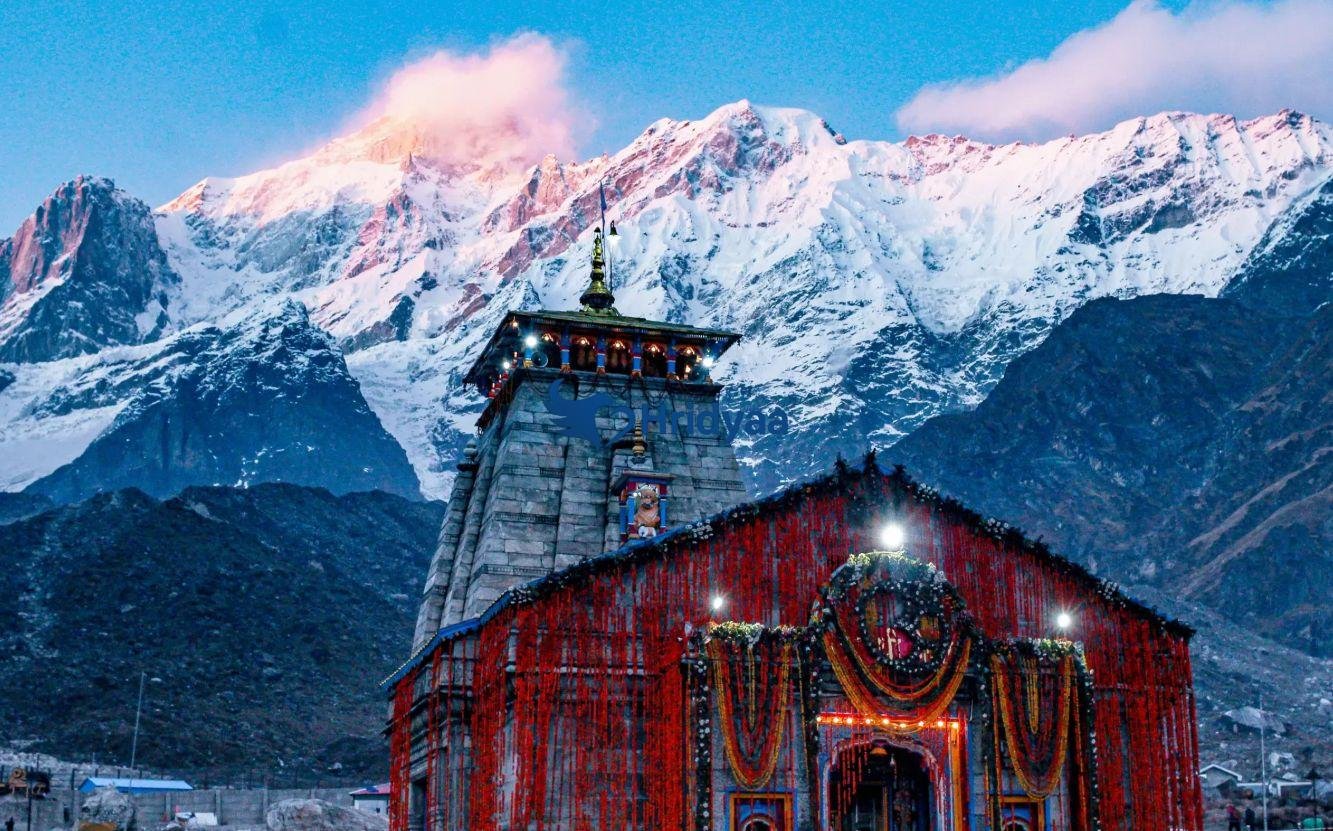
Kedarnath Temple is not just another pilgrimage site in the Himalayas; it is a destination defined by altitude, weather, faith, and physical effort. Situated high in the Garhwal Himalayas, the temple’s accessibility is limited by nature itself, which shapes when, how, and even if one can visit in a given year. For travelers and devotees alike, understanding the real conditions around Kedarnath Temple is essential — especially when planning the right time to visit and navigating the process of aarti booking.
Where Exactly Is Kedarnath Temple Located?
Kedarnath Temple is located at an altitude of about 3,583 meters in Rudraprayag district of Uttarakhand, near the origin of the Mandakini River. The temple sits in a glacial valley surrounded by snow-clad peaks, far removed from towns and permanent settlements. The nearest road head is Gaurikund, from where pilgrims must trek approximately 16 kilometers to reach the shrine. Unlike destinations such as Rishikesh, Kedarnath’s remoteness is absolute and non-negotiable.
Why This Place Matters Today
Today, Kedarnath Temple holds dual importance — as one of the twelve Jyotirlingas of Lord Shiva and as a symbol of spiritual resilience after the 2013 floods. Despite modern infrastructure improvements, the temple remains governed by seasonal access and traditional rituals. Its relevance is not limited to belief alone; it represents the intersection of devotion, endurance, and respect for Himalayan geography. Every visit requires planning, patience, and physical readiness.
What Travelers Often Get Wrong
A common misconception is that Kedarnath can be visited like other hill temples with flexible timing. In reality, the temple remains closed for nearly half the year due to snow. Another mistake is assuming aarti or darshan can be booked on arrival. Most rituals now require advance online registration, and last-minute planning often leads to disappointment. Travelers also underestimate altitude-related fatigue, even if they are otherwise fit.
Best Time to Visit Kedarnath Temple and Seasonal Reality
The best time to visit Kedarnath Temple is between May and June and again from September to October.
- May to June: Stable weather, high pilgrim footfall, clear rituals schedule
- July to August (monsoon season): Landslides, rain, route disruptions — travel strongly discouraged
- September to October: Fewer crowds, colder temperatures, clearer skies
From November to April, the temple remains closed due to heavy snowfall, and the deity is worshipped at Ukshimath. Even during open months, sudden weather changes are common, making buffer days essential.
How to Reach Kedarnath Temple
Reaching Kedarnath Temple involves multiple stages. Travelers usually begin from Rishikesh or Haridwar, traveling by road to Sonprayag, then onward to Gaurikund. From there, pilgrims must complete the trek on foot, by mule, or via helicopter services (weather permitting). The trek route is well-marked but physically demanding, especially for first-time visitors. Helicopter services reduce walking but remain dependent on weather and availability.
How to Book Kedarnath Aarti (Complete & Updated Process)
Booking Kedarnath Temple aarti is now primarily an online process managed by the temple administration.
Advance booking is mandatory for:
- Morning Mahabhishek Aarti
- Evening Shringar Aarti
The general process involves registering on the official Uttarakhand pilgrimage portal, selecting Kedarnath as the destination, choosing the preferred aarti type, and confirming identity details. Slots are limited and open weeks in advance, especially during peak months. Offline bookings are extremely limited and unreliable during high season. Carrying a printed or digital confirmation is compulsory.
Safety, Rules, and Local Guidelines
Due to high-altitude conditions, visitors must be alert to symptoms of altitude sickness such as dizziness or breathlessness. Medical checkpoints operate along the route, and ignoring symptoms can be dangerous. Photography is restricted inside the sanctum. Plastic use is discouraged, and strict cleanliness rules are enforced. During bad weather, authorities may suspend movement temporarily — these seasonal safety advisories must be followed without exception.
What to Expect When You Actually Visit
The first sight of Kedarnath Temple is often emotional rather than dramatic. The stone structure stands quietly against an imposing mountain backdrop, with constant cold winds and thin air. Rituals are conducted with precision, but without spectacle. Crowds move slowly, queues are orderly, and time inside the sanctum is brief. The experience is intense, not comfortable — shaped by climate, silence, and devotion rather than convenience.
Final Take: Is It Worth Visiting?
Kedarnath Temple is worth visiting only if you respect its conditions. This is not a casual trip or a scenic stop; it is a journey that demands preparation and humility. For those willing to plan carefully — choosing the right season and securing aarti bookings in advance — the experience can be deeply meaningful. For unprepared travelers, it can feel overwhelming. Kedarnath gives back exactly what one is willing to invest.


Join The Discussion